


Welcome to the World of 'Catification'
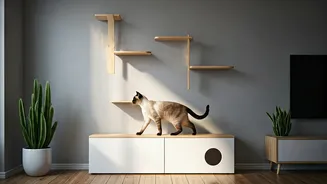
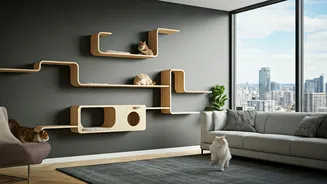
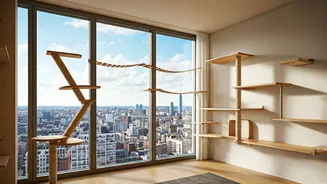
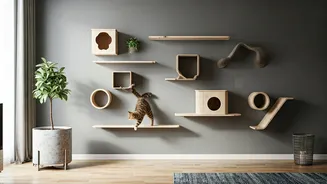
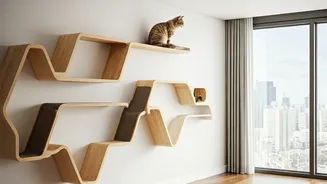
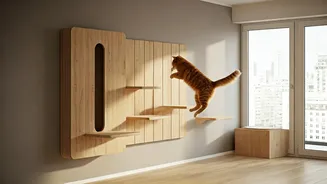
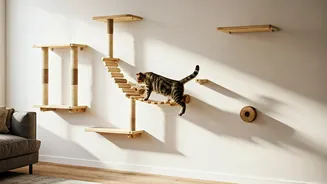
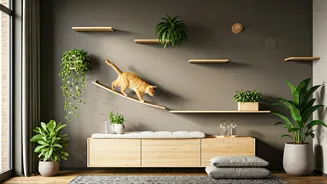
Step into the modern cat-friendly home, and you might notice something unusual. Your eyes are drawn upward, past the sofa and the bookshelves, to a series of shelves, bridges, and perches that form a veritable feline highway. This is the heart of “catification”—a
term popularized by cat behaviorist Jackson Galaxy to describe the process of modifying a home to better suit a cat’s natural instincts. It’s a design philosophy that moves beyond providing basic necessities like food and a litter box and instead aims to create a stimulating, three-dimensional environment. These aren't just random shelves; they are thoughtfully planned networks that allow cats to survey their domain, travel without touching the floor, and find secure resting spots high above the household hustle and bustle.
The Psychology of High Places
But why go to all this trouble? The answer lies in your cat’s ancestry. Domestic cats descend from the African wildcat, a small predator that used elevation for both hunting and protection. Climbing isn’t just a fun activity for them; it’s a deeply ingrained survival instinct. From a high perch, a cat can see approaching friends and foes (including the family dog or a rambunctious toddler), giving them a sense of security and control. In multi-cat households, vertical space is even more critical. It expands the available territory, reducing conflict over resources and allowing cats to establish their own personal zones. By providing these elevated pathways, owners are giving their pets an outlet for this instinctual need, which can lead to a happier, less stressed, and more confident animal. It effectively turns a boring, flat human world into a dynamic feline playground.
Design Meets Domestic Bliss
The first image that comes to mind might be clunky, carpet-covered structures that clash with any sense of interior design. But the modern catification movement is defined by its aesthetic appeal. Designers and DIY-savvy homeowners are using sleek, minimalist materials that integrate seamlessly into their decor. Think floating shelves made of finished wood, chic fabric-lined perches that match the furniture, and elegant rope bridges that look like sculptural art. Companies have sprung up to meet this demand, offering modular systems in various finishes—from bamboo to matte black metal—that can be configured to fit any space. The goal is no longer to hide the cat furniture, but to make it a beautiful and intentional part of the home’s overall design. It's a statement that the space is shared, and that the needs of its feline residents are just as important as the aesthetic preferences of its human ones.
Starting Your Own Vertical World
The idea of a full-room installation can be intimidating, but getting started with catification can be simple. The key is to think like a cat. Start small with two or three sturdy floating shelves on a single wall. Observe the paths your cat already takes—do they jump from the arm of the sofa to the windowsill? That’s a natural spot to add a shelf to make their journey easier and safer. Ensure shelves are placed with a cat’s jumping ability in mind, creating a “staircase” effect rather than impossible leaps. They also need clear entry and exit points; a perch that leads to a dead end can create anxiety. Materials should provide good grip, so consider adding a non-slip surface like a small carpet square or cork tile to wooden shelves. Most importantly, make sure everything is securely mounted to the wall to handle the force of a jumping cat.