

The Burnout from 'Checklist' Travel
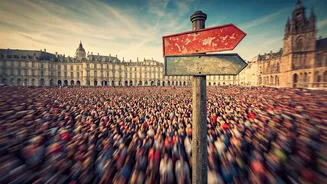
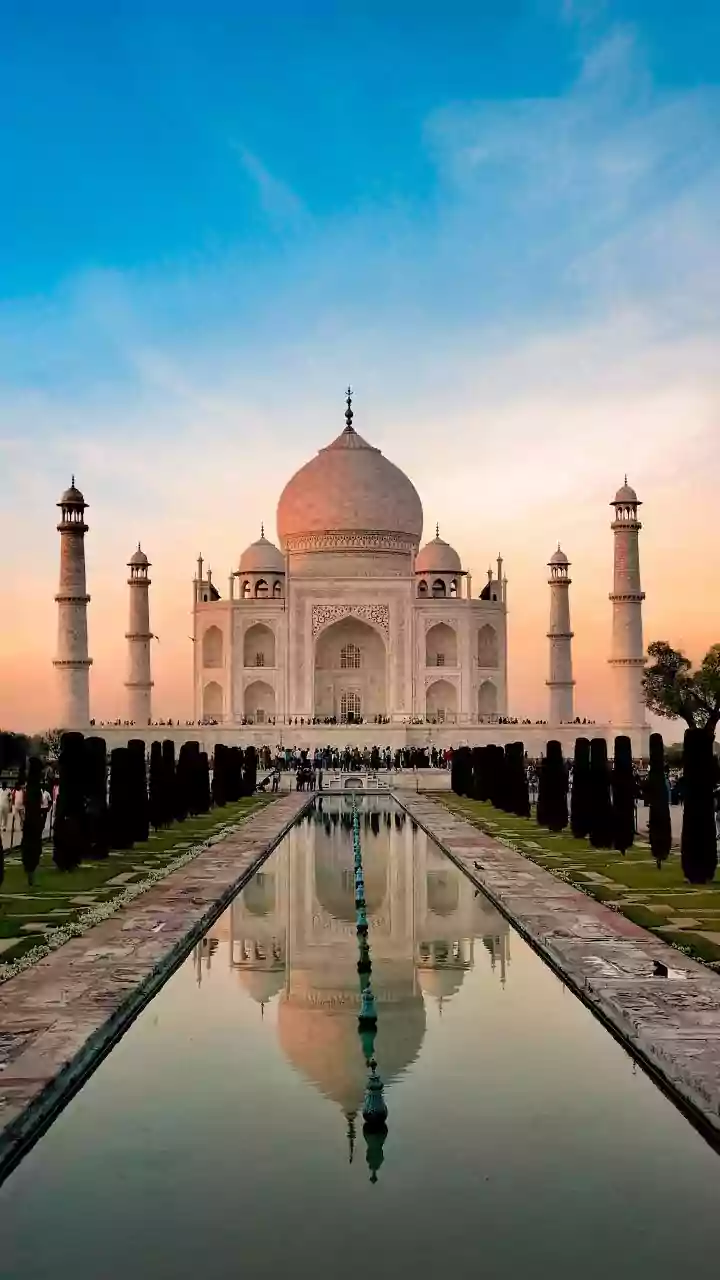
For decades, the mark of a successful trip was a packed itinerary. Paris on Monday, Rome on Wednesday, Barcelona by Friday. This approach, often dubbed 'checklist travel,' prioritizes seeing landmarks over experiencing a location. But it comes at a cost:
exhaustion, stress, and a feeling that you’ve seen everything but understood nothing. You return home needing a vacation from your vacation. The pandemic acted as a powerful reset button. Forced to slow down, many people re-evaluated what they truly valued in their lives and, by extension, their travels. The frantic pace of pre-2020 life suddenly seemed less appealing. This mindset shift is now playing out in our vacation planning. Industry reports from major travel companies like Expedia and American Express Travel confirm the trend: travelers are increasingly opting for longer stays in a single destination, a practice known as 'slow travel.' They're trading the blur of airport terminals for the quiet rhythm of a neighborhood café where the barista starts to remember their order.
What 'Traveling with Soul' Really Means
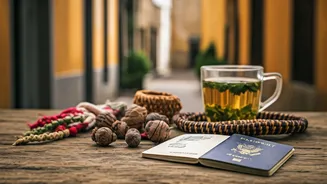
So, what is this 'soul' that travelers are seeking? It’s not a mystical quest; it’s about genuine connection. It’s the difference between snapping a photo of a famous market and actually buying ingredients there to cook a meal. It's about moving beyond the surface-level transactions of tourism and engaging with a place on its own terms. Traveling with soul means embracing imperfection and spontaneity. Instead of a minute-by-minute schedule, you leave entire afternoons open for wandering. You might stumble upon a tiny, family-run restaurant, a quiet park locals love, or an artisan’s workshop tucked away on a side street. It involves prioritizing presence over performance. The goal isn’t to collect stories to impress others, but to build a personal relationship with a place. This kind of travel is restorative, not draining. It allows you to sink into a different culture, observe the small details of daily life, and return home with a richer, more nuanced understanding of the world.
How to Plan a Deeper, Slower Trip
Adopting this mindset doesn’t require a six-month sabbatical. It’s an approach that can be applied to a weekend getaway or a two-week vacation. The key is intention. Start by resisting the urge to 'do it all.' Instead of trying to conquer an entire country, pick one region or even a single city. Instead of a hotel in the main tourist hub, consider renting an apartment in a residential neighborhood. This simple choice immediately changes your perspective from visitor to temporary resident. Build a different kind of itinerary. Instead of a list of museums, make a list of experiences: take a local cooking class, learn a few key phrases in the language, find the best local bakery, or use public transportation exclusively for a day. Ask locals for recommendations—not just the concierge, but the person you buy your morning paper from. Most importantly, build empty space into your schedule. The most magical travel moments are often the ones you didn't plan for.
The Ripple Effect of Staying Put
This shift isn't just better for the traveler; it's better for the destination. Overtourism has strained many of the world's most beloved cities, overwhelming infrastructure and pricing out locals. Slow travel offers a more sustainable alternative. By staying longer in one place, you contribute more meaningfully to the local economy, supporting small businesses beyond the main tourist traps. You also reduce your carbon footprint by minimizing flights, train journeys, and car rentals. On a personal level, the rewards are immense. The memories you forge aren't fleeting snapshots but rich, textured experiences. You remember the smell of the rain on the cobblestones, the taste of that unexpectedly perfect pastry, and the feeling of navigating a neighborhood with newfound confidence. You don’t just see a place; you feel it. This is the 'soul' that modern travelers are after—a sense of place that stays with you long after you’ve unpacked your suitcase.