




Wait, What Is Umami?
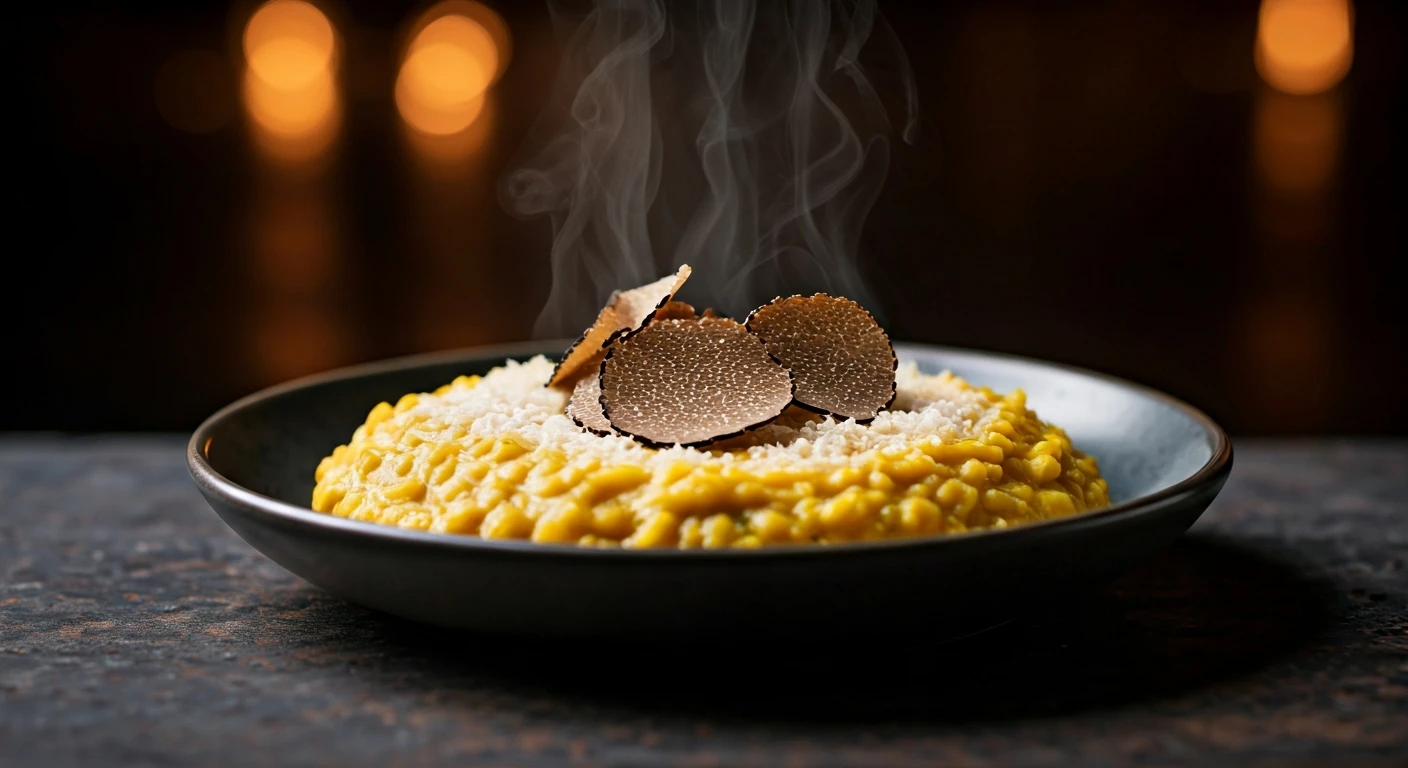
You’ve probably heard the word, but what is umami? Often called the “fifth taste” alongside sweet, sour, salty, and bitter, umami is best described as a savory, brothy, or meaty flavor. It’s the satisfying richness you get from parmesan cheese, soy sauce,
mushrooms, and ripe tomatoes. The sensation comes from glutamates, which signal to our brains that we’re consuming protein-rich food. While we usually associate it with dinner, innovative mixologists and home brewers are discovering that a hint of umami can add incredible depth and complexity to drinks, making them feel more complete and curbing the craving for pure sugar.
The Search for a Better Buzz
The movement toward savory infusions isn’t happening in a vacuum. It’s part of a broader cultural shift away from high-fructose corn syrup and processed sugars. Consumers are increasingly seeking out low-sugar and zero-proof options that don’t just taste like diet versions of their sweeter cousins. Instead of replicating a sugary cocktail with artificial sweeteners, this trend builds a new kind of drink from the ground up. It prioritizes intriguing flavors over a simple sugar rush, creating beverages that you can sip and savor. These infusions are showing up in non-alcoholic cocktail menus, sparkling waters, and even as bases for unique alcoholic mixed drinks, providing a complex alternative that feels sophisticated, not restrictive.
Native Herbs Stepping into the Spotlight
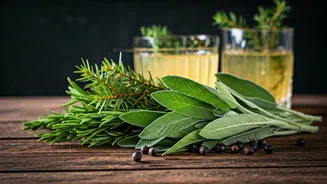
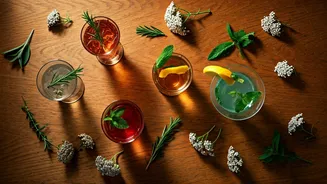
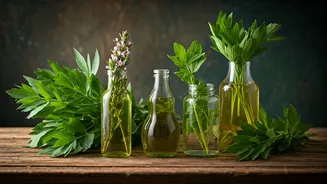
The most exciting part of this trend is the rediscovery of North America’s own botanical pantry. Instead of relying on imported teas and spices, foragers and food artisans are looking to the native plants that have been part of the continent’s ecosystem for millennia. These herbs offer unique, terroir-driven flavors you can’t find anywhere else. Here are a few standouts: • **Spicebush:** Found in the eastern U.S., its twigs and berries release an aromatic, peppery flavor reminiscent of allspice and bay leaf. Infused, it creates a warming, savory base that’s incredible on its own or with a splash of bourbon. • **Sweetfern:** Despite its name, this low-growing shrub offers a dry, herbaceous, and profoundly aromatic infusion. It has a resinous, slightly bitter quality that adds structure and a uniquely savory character to drinks. • **Douglas Fir:** The bright green tips of this iconic Western tree can be infused to create a beverage with notes of citrus, pine, and a subtle savory depth. It's surprisingly refreshing and tastes like a walk in a cool forest. • **Lovage:** A powerful herb that tastes like a cross between celery and parsley with a hint of anise. A little goes a long way, adding an instant umami kick and a vegetal complexity to sodas and cocktails.
How to Make Your Own Infusion
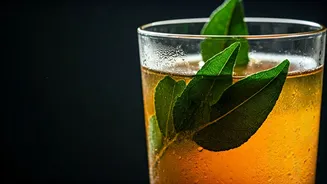
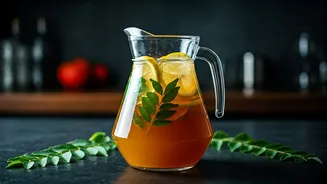
You don’t need a fancy lab to start experimenting. The easiest way to create a native herb infusion is with a simple cold brew method. Take a handful of your chosen fresh or dried herb (like spicebush twigs or sweetfern leaves), place it in a large mason jar, and fill it with cold, filtered water. Seal the jar and let it steep in the refrigerator for 12 to 24 hours. The slow, cold steep extracts the delicate aromatic compounds without pulling out too many bitter tannins. After steeping, strain the liquid through a fine-mesh sieve or cheesecloth. You’re left with a flavorful, sugar-free base. You can drink it chilled, top it with sparkling water for a natural soda, or use it as a mixer in a cocktail.
Finding These Flavors in the Wild
If you’re not ready to go foraging, you can still find these unique flavors. Keep an eye out at farmers' markets, where small-batch producers often sell pre-made infusions or dried native herbs. High-end cocktail bars that pride themselves on local sourcing are prime spots to try a professionally crafted drink featuring these ingredients. A growing number of artisanal beverage companies are also bottling sparkling waters and non-alcoholic drinks centered on foraged botanicals. They offer a taste of this trend without any of the work, bringing the complex, savory flavors of the American landscape directly to you.