





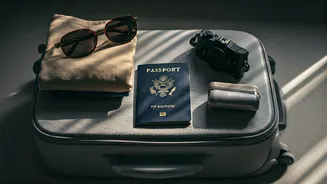

The Slow Fade of the Grand Tour
Remember the classic two-week vacation? It was a staple of American life, a long-awaited reward for a year of hard work. The idea was to pack everything in: cross-country road trips, European backpacking adventures, or a marathon session at a beach resort.
But for many, the reality of these trips involves months of meticulous planning, budget anxiety, and the logistical nightmare of coordinating time off with family and colleagues. The pressure to make the one big trip of the year 'perfect' can create more stress than it relieves, leading to what travel experts call 'vacation-planning fatigue.' Instead of returning refreshed, many come home needing a vacation from their vacation.
Enter the 'Micro-Cation'
The antidote to the overplanned epic is the 'micro-cation'—a short, intentional trip of four nights or less. This trend isn't just about taking a long weekend; it’s a fundamental shift in how we approach rest and leisure. Fueled by a post-pandemic re-evaluation of work-life balance and a collective sense of burnout, more Americans are opting for smaller, more frequent doses of travel. A quick trip to a nearby city, a three-day retreat to a cabin in the woods, or even a single overnight stay in a different neighborhood can provide a powerful mental reset without the exhaustive preparation. It's about accessibility, both in terms of time and money, making regular escapes a feasible reality rather than a once-a-year fantasy.
The Joy of Less Planning
One of the most significant appeals of the short trip is the liberation from the itinerary. When you only have 72 hours, you’re forced to prioritize, and often the top priority is simply to relax. There's less pressure to see every museum or try every single recommended restaurant. This reduction in 'decision fatigue' is a core benefit. A short getaway encourages spontaneity; you might stumble upon a charming local shop, spend an entire afternoon reading in a park, or have a long, unhurried dinner—activities often squeezed out of a packed, long-haul holiday. The goal shifts from 'doing it all' to 'feeling good,' which is a more sustainable approach to recharging.
A Smarter Way to Spend
Financially, the math of the micro-cation is compelling. While a ten-day international trip can cost thousands in flights, accommodations, and activities, a three-day domestic trip is significantly more affordable. This doesn't just save money; it redistributes it. Instead of putting all their vacation funds into one massive basket, travelers can spread their budget across three, four, or even five smaller trips throughout the year. This provides multiple opportunities for a mental break, combating the prolonged stretches of work without reward. For many, the cumulative happiness from several small, delightful experiences outweighs the singular high of one expensive, high-stakes vacation.
Redefining the 'Escape'
Ultimately, the rise of the short trip suggests we are redefining what it means to 'get away.' The destination is becoming less important than the act of disconnecting. You don't need a passport or a ten-hour flight to escape the daily grind. The escape can be a two-hour drive away. This trend empowers people to explore their own backyards, discover regional gems, and appreciate the value of a simple change of scenery. It’s a move toward a more integrated, sustainable model of rest, where travel is not a massive, disruptive event but a regular, restorative practice woven into the fabric of the year.