




The Abode of the Clouds Awakens
Meghalaya, a small state in northeastern India, has a name that translates to “The Abode of the Clouds.” It’s not just poetry; it’s a literal description. For most of the year, it’s a beautiful, hilly region. But from June to September, the monsoon clouds
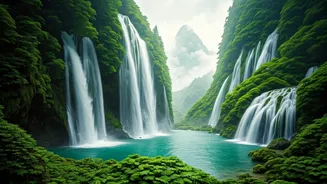
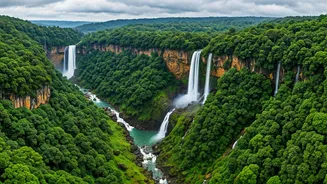
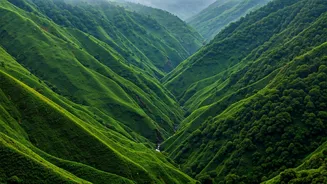
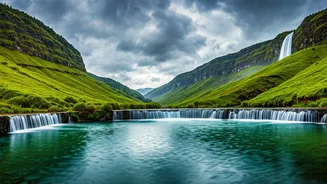
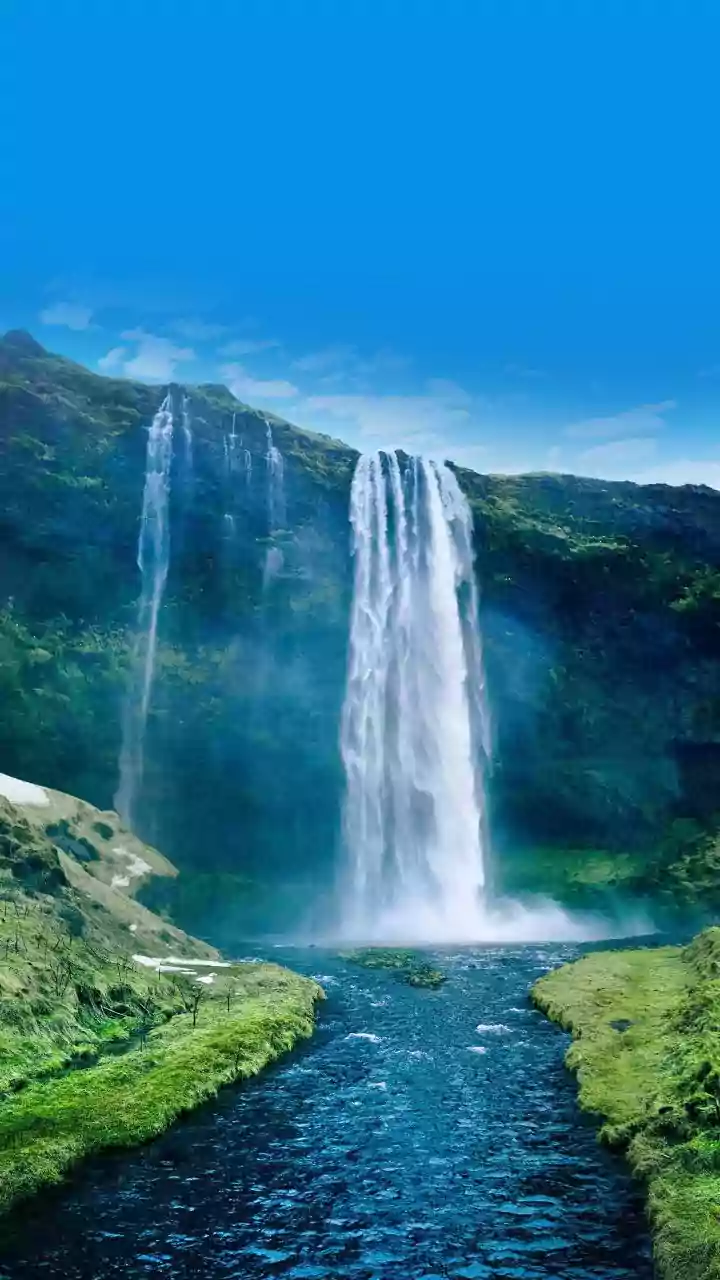
roll in, get trapped by the Garo, Khasi, and Jaintia hills, and unleash their contents. The area is home to Mawsynram and Cherrapunji (Sohra), two of the wettest places on the planet. This isn’t a miserable, gray drizzle. It’s a life-giving force that paints the landscape in a thousand shades of impossible green and gives birth to countless waterfalls, each more dramatic than the last. This is nature’s blockbuster season.
Nohkalikai Falls: The Legendary Plunge
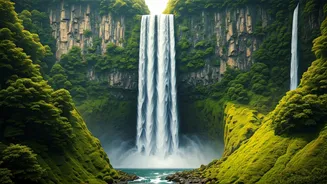
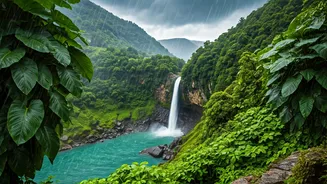
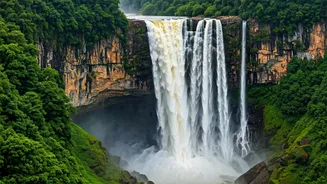
If Meghalaya has a signature waterfall, it’s Nohkalikai. This is the tallest plunge waterfall in India, dropping a staggering 1,115 feet in a single, uninterrupted stream. During the monsoon, the volume of water is immense, crashing into a deep, turquoise-green pool below. The drive there is an experience in itself, winding through misty highlands. But standing at the viewpoint, watching the water freefall from a cliffside veiled in cloud, is breathtaking. The falls are named after a tragic Khasi legend of a woman named Likai, adding a layer of poignant history to its immense natural power. It’s a humbling sight that perfectly captures the raw, untamed beauty of the region.
Seven Sisters Falls: A Cascading Panorama
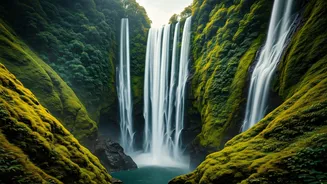
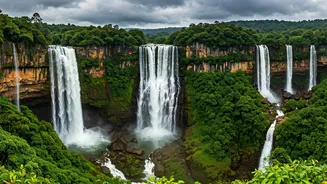
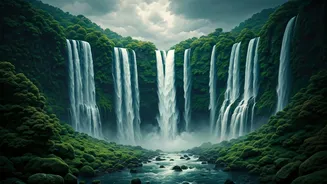
Officially known as Nohsngithiang Falls, this cascade is better known by its evocative nickname: the Seven Sisters. It’s not one waterfall, but seven distinct streams that flow side-by-side down a wide limestone cliff. During peak monsoon, the streams merge into a powerful, unbroken curtain of water, creating a stunning panoramic display. What makes it particularly magical is its orientation—it faces south, and when the sun hits the mist at the right angle, it creates vibrant, shimmering rainbows. It’s a photographer’s dream and a perfect example of how the monsoon creates sights that are simply not there the rest of the year.
Krang Suri Falls: The Fairy Tale Pool
While many of Meghalaya’s waterfalls are about dramatic height and power, Krang Suri is about pure, ethereal beauty. Tucked away in the Jaintia Hills, this waterfall is less about the drop and more about the destination: a crystal-clear, vibrantly blue swimming hole that looks like something out of a fantasy film. Surrounded by lush forest, the waterfall cascades gently into a pool so clear you can see the rocks below. Visitors can swim in the cool, refreshing water or simply admire the otherworldly color. It’s a reminder that Meghalaya's water isn't just for watching; it’s for experiencing.
The Living Root Bridges: Nature's Architecture
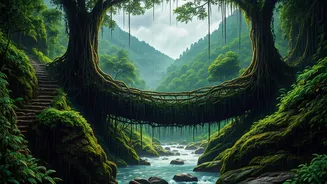
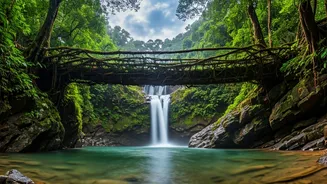
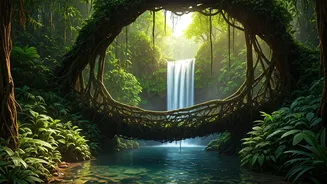
Perhaps the most iconic symbol of Meghalaya isn’t a waterfall but a bridge made of living tree roots. For centuries, the indigenous Khasi and Jaintia peoples have guided the aerial roots of the Ficus elastica tree across rivers and gorges, weaving them into strong, living structures that only get stronger with time and rainfall. These bridges are a testament to a deep, symbiotic relationship with nature. Trekking to see the famous Double Decker Root Bridge in Nongriat during the monsoon, with water flowing all around, is an unforgettable adventure. It’s not just an attraction; it’s a living piece of brilliant, sustainable engineering, perfectly adapted to this world of water.