





Why Routine is King
For dogs and cats, predictability equals security. Their daily schedule—especially when it comes to meals—is a cornerstone of their comfort. Travel, by its very nature, disrupts this routine, which can cause significant stress. A sudden change in feeding
times can lead to anxiety, which may manifest as whining, pacing, or even destructive behavior. Furthermore, their digestive systems are creatures of habit. Eating at unfamiliar times or in a stressful environment can lead to stomach upset, vomiting, or diarrhea—the last things you want to deal with on vacation. By sticking as closely as possible to their regular feeding schedule, you provide a powerful anchor of normalcy in a sea of new sights, sounds, and smells.
Pack the Perfect Pet Pantry
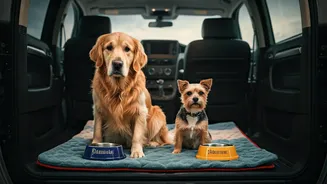
The golden rule of travel feeding is to bring their regular food. A sudden switch to a new brand or flavor is a common cause of digestive issues. Measure out enough food for the entire trip, plus a little extra for emergencies, and store it in an airtight container to maintain freshness and prevent spills. Don’t forget the essentials: their familiar food and water bowls. Collapsible silicone bowls are a space-saving favorite among seasoned pet travelers. Also, pack a dedicated water bottle filled with filtered water from home. This helps you avoid giving them unfamiliar tap water from gas stations or rest stops, which can sometimes contain different minerals that may upset a sensitive stomach. Finally, include a few of their favorite high-value treats to reward good behavior and make meal breaks a positive experience.
Master the Roadside Meal
Never feed your pet in a moving vehicle. It’s a serious choking hazard and can exacerbate motion sickness. Instead, build dedicated meal breaks into your driving schedule, ideally around the same time they’d eat at home. Find a safe, quiet spot away from heavy traffic, like a designated pet area at a rest stop or a calm local park. Before offering food, let them stretch their legs, go to the bathroom, and have a drink of water. This allows them to decompress from the car ride. Once they seem relaxed, you can serve their meal. Don’t rush them. A calm, unhurried break not only ensures they eat properly but also helps reset their stress levels, making the next leg of the journey more pleasant for everyone.
Hydration is Non-Negotiable
While food breaks can be scheduled, access to water should be more frequent. Car interiors can get warm, and the excitement or stress of travel can cause a pet to become dehydrated more quickly than usual. Plan to offer water every one to two hours. A travel-friendly water bottle with an attached drinking trough is an excellent tool for this, allowing you to give your pet a drink without the mess of a full bowl. Pay attention to signs of dehydration, such as excessive panting, lethargy, dry gums, or a dry nose. Ensuring your pet is well-hydrated is just as important as feeding them properly; it supports their overall health and helps regulate their body temperature during the trip.
Settle In Upon Arrival
Once you reach your destination, one of the first things you should do is set up your pet’s “home base.” Find a quiet corner in the hotel room or vacation rental and place their food bowl, water bowl, and bed or crate. This simple act immediately helps them understand the new space and feel more secure. Serve their first meal in the new location as close to their regular time as possible. This act of re-establishing the routine quickly signals to them that despite the new environment, the core parts of their life remain consistent. It sets a positive tone for the rest of your stay, helping them relax and enjoy the vacation right alongside you.