




So, What Is a Protein Soda?
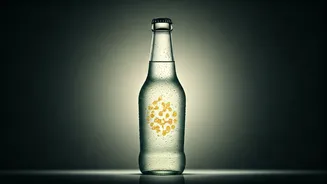
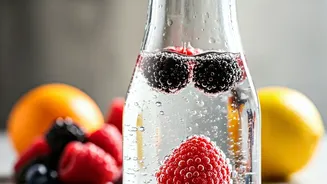
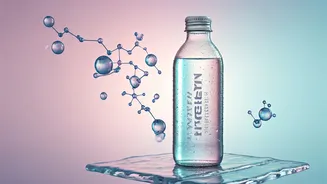
At its core, a protein soda is exactly what it sounds like: carbonated water infused with protein. Think of it as the love child of a LaCroix and a post-workout shake. Unlike the thick, milky protein drinks you might be used to, these are typically light,
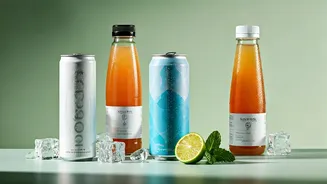
clear, and fruity. Brands like Vieve, Fizzique, and Bodiez have pioneered the space, offering familiar soda flavors—like citrus, cherry, and tropical punch—without the sugar or calories. The magic ingredient is usually a highly filtered protein source, most often whey protein isolate or collagen peptides. These are chosen because they can dissolve clearly in water without the chalky texture or milky appearance of traditional protein powders. The result is a beverage that looks and feels like a diet soda but packs anywhere from 10 to 20 grams of protein per can, typically sweetened with non-caloric options like stevia or sucralose.
From Gritty Shakes to Gummy Bears
The rise of protein soda isn't happening in a vacuum. It’s the next logical step in the evolution of wellness culture. For years, protein supplements were the exclusive domain of bodybuilders, consumed in gritty, chalky shakes that were tolerated, not enjoyed. Then came the mainstreaming of 'macros.' Suddenly, everyone from marathon runners to desk jockeys was trying to hit a daily protein goal. Food companies responded by injecting protein into everything: cookies, chips, ice cream, and now, soda. This trend, sometimes called 'health-washing,' taps into a powerful consumer desire: to enjoy indulgent treats without the guilt. Protein soda perfectly captures this zeitgeist. It promises the fun, bubbly experience of a soda—a 'bad' habit for many—and reframes it as a virtuous act of self-care. It’s less about a punishing workout regimen and more about integrating health goals seamlessly and enjoyably into daily life.
But Are They Actually Good for You?
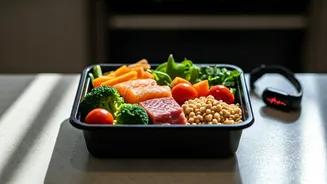
Here's where the conversation gets more complex. Ask a registered dietitian, and you’ll get a nuanced answer. On the plus side, protein sodas offer a convenient, low-calorie way to increase your protein intake, which is crucial for muscle repair, satiety, and overall metabolic health. For someone who struggles to eat enough protein or hates the taste of traditional shakes, they can be a genuinely useful tool. However, no expert would call them a 'health food.' These are highly processed products. They lack the fiber, vitamins, and minerals found in whole food protein sources like chicken, beans, or Greek yogurt. Furthermore, while whey isolate is a complete protein excellent for muscle synthesis, the collagen found in some brands is not, meaning it lacks all the essential amino acids to be a primary muscle-builder. Nutritionists also caution against relying on them to hit your goals, as it can distract from building sustainable habits around whole foods.
The Verdict: Fun Treat or Fitness Staple?
So, who should be drinking protein sodas? The target market is broader than you might think. It’s not just the CrossFit enthusiast looking to optimize their post-WOD recovery. It’s the busy professional who wants a 3 p.m. pick-me-up that isn’t a sugary coffee or a Diet Coke. It’s the wellness-curious consumer who likes trying the latest trends they see on TikTok. Essentially, it’s for anyone looking for a 'better-for-you' alternative to traditional sodas who also wants to effortlessly boost their protein count. They serve a purpose as a convenient supplement, but they aren't a replacement for a well-rounded diet. Think of it less as a foundational piece of your nutrition and more as a functional upgrade to a beverage you might already be drinking. It’s a fun, fizzy way to top off your protein for the day, but it won’t magically transform your health on its own.