
So, What Exactly Is Rava Dhokla?
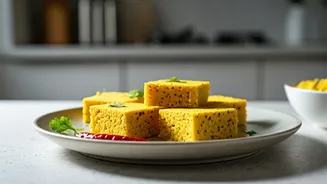
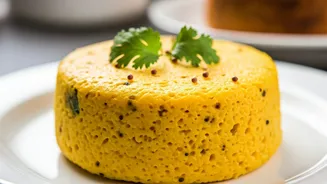
Imagine a savory cake that’s impossibly light, spongy, and moist. That’s Rava Dhokla. Hailing from the western Indian state of Gujarat, it’s a beloved breakfast and snack item that’s finally getting its moment in the American spotlight. Unlike its more
famous cousin, the standard dhokla made from fermented chickpea flour, Rava Dhokla is made from semolina (called 'rava' or 'sooji' in Hindi). This gives it a slightly heartier, yet still delicate, texture. The batter, a simple mix of semolina and yogurt or water, is either left to ferment slightly or, more commonly, leavened instantly with a pinch of fruit salt (like Eno) or baking soda. This creates the signature air pockets that make each bite feel like you’re eating a cloud. It's then steamed, not baked or fried, which is the secret to its feather-light quality.
The 'Without Heaviness' Promise
Let’s be honest: the classic American breakfast, while delicious, can often be a masterclass in heaviness. A plate of bacon, eggs, and buttered toast or a stack of pancakes drenched in syrup can leave you feeling ready for a nap before your workday has even begun. Rava Dhokla is the antithesis of that feeling. Its lightness is engineered into its very DNA. The steaming process cooks the batter without a drop of heavy oil. The ingredients are wholesome and simple, avoiding the high fat and sugar content that defines many Western breakfast staples. The result is a meal that provides gentle, satisfying energy. It fills you up without weighing you down, delivering on the promise of a breakfast that’s substantial enough to start your day but light enough to keep you feeling agile and alert. It’s the kind of meal that makes you understand that 'satisfying' and 'heavy' don’t have to be synonyms.
The Flavor Bomb on Top: Tadka
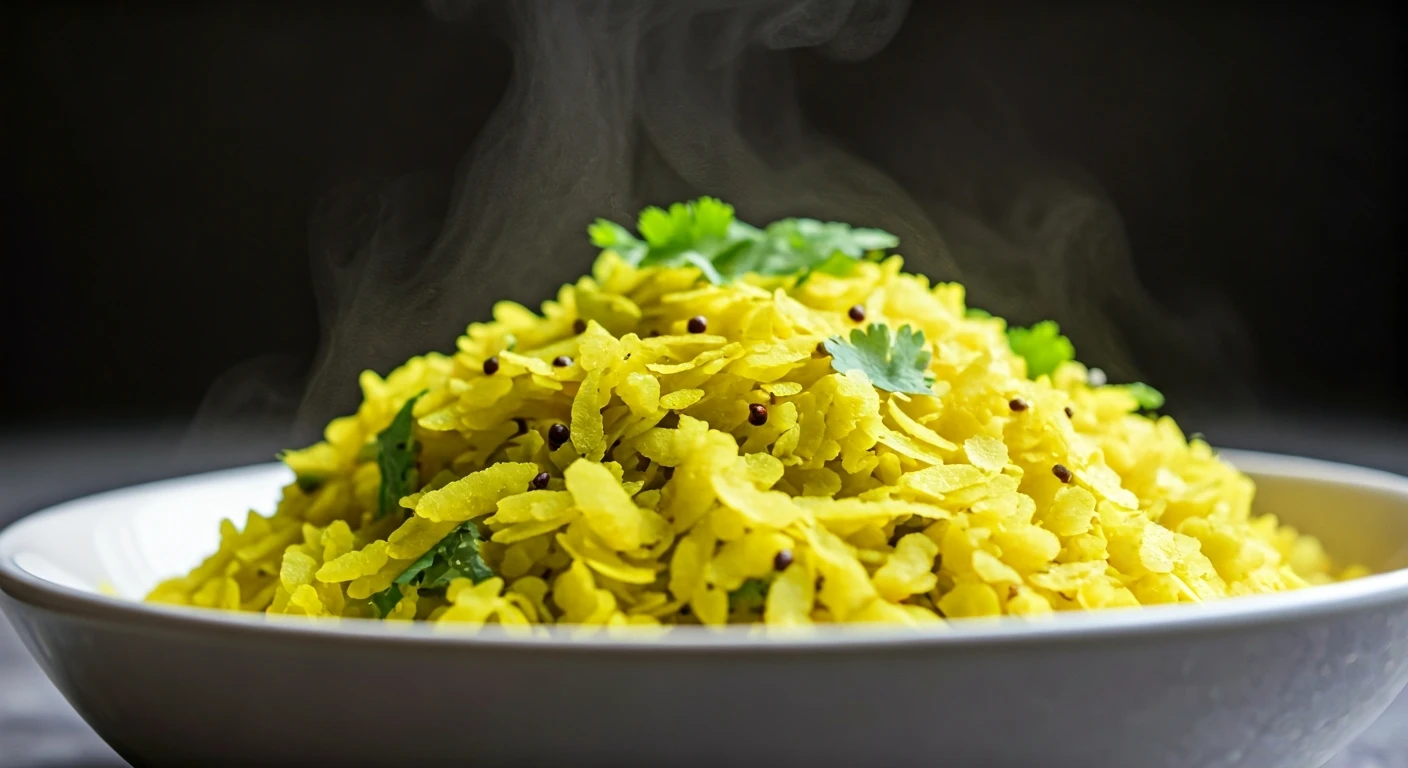
A plain steamed semolina cake might sound a little, well, plain. But the magic of Rava Dhokla is completed with a finishing touch called a 'tadka' or 'tempering.' This is where the dish goes from good to unforgettable. Just after the dhokla is steamed and cut into squares or diamond shapes, a small amount of oil or ghee is heated in a pan. Black mustard seeds are added, and as soon as they start to pop and crackle, other aromatics are thrown in—typically fragrant curry leaves, a few sliced green chilies for a mild kick, and sometimes sesame seeds for a nutty crunch. This sizzling, fragrant oil mixture is then poured evenly over the top of the dhokla. It infuses every porous bite with a complex, savory flavor that perfectly complements the subtle tang of the cake itself. This final step adds texture, aroma, and a burst of excitement that makes Rava Dhokla so addictive.
How to Eat It (and What to Pair It With)
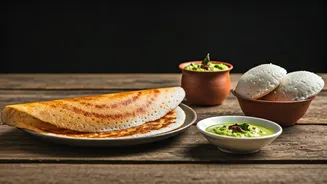
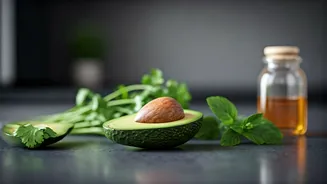
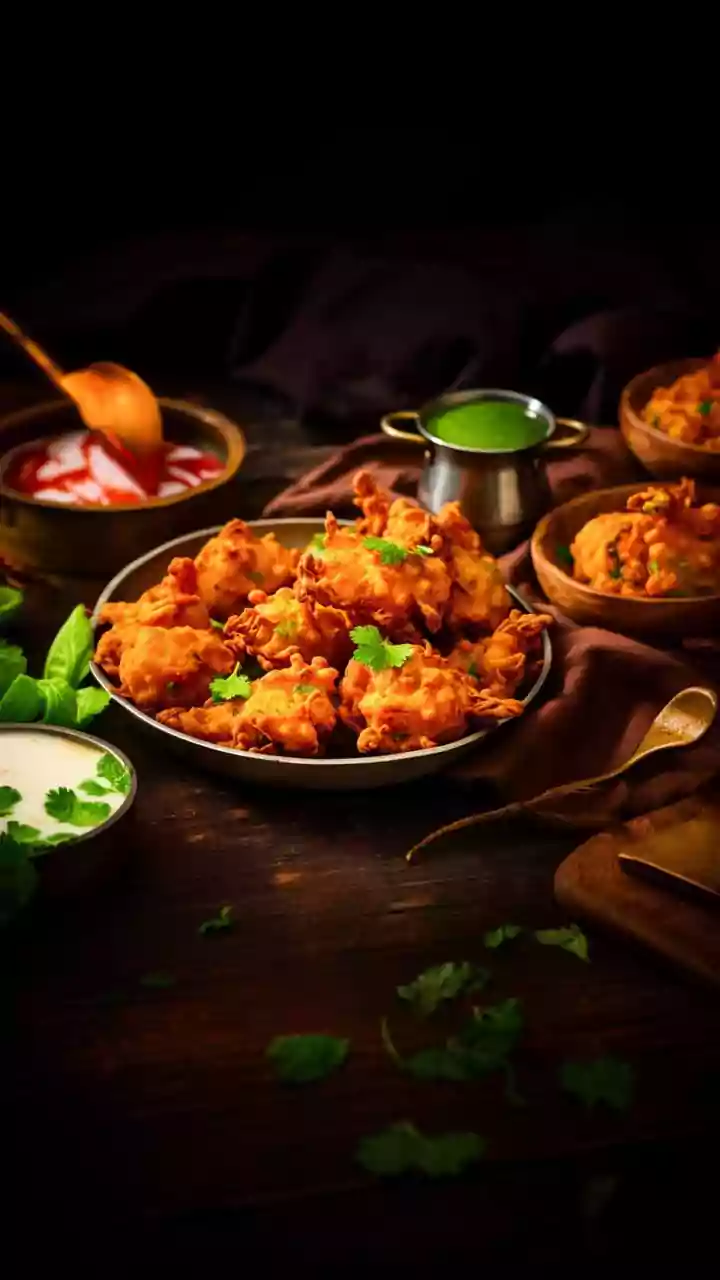
Rava Dhokla is incredibly versatile. In India, it’s enjoyed warm or at room temperature, making it a perfect make-ahead option for busy mornings. You can prep it the night before and have a delicious breakfast ready to go. It’s typically served with a side of chutney. The most common pairing is a vibrant green chutney made from cilantro, mint, and a little bit of lime and chili, which provides a fresh, zesty counterpoint. Some also enjoy it with a sweet and tangy tamarind-date chutney. For a more substantial meal, you can serve it alongside other breakfast items, but it truly shines on its own. Don’t be afraid to just pick up a piece with your hands—it’s the perfect finger food. Whether you find it at a local Indian restaurant or decide to try a simple recipe at home, it’s an incredibly forgiving and rewarding dish to explore.