


The Romance of a Rainy Day Snack
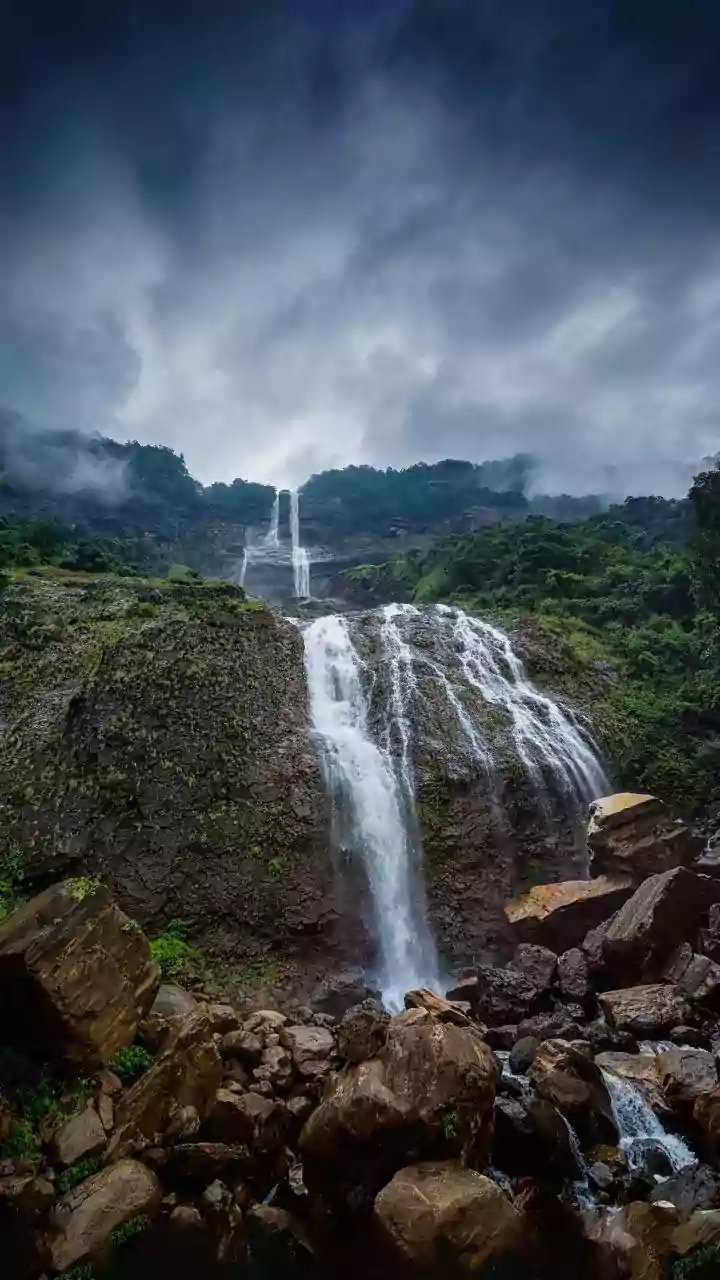
For hundreds of millions in South Asia, the arrival of the monsoon isn't just a weather event; it's a sensory and emotional experience. The season is synonymous with relief from scorching summer heat and a deep, cultural craving for specific foods. Piping
hot chai (spiced tea) becomes a constant companion. But the real stars are the snacks: pakoras (vegetables dipped in chickpea batter and deep-fried), samosas (savory filled pastries), and bhutta (roasted corn on the cob slathered in spices and lime). These aren't just foods; they are traditions wrapped in nostalgia. They evoke memories of huddling with family by a window, watching the downpour, and sharing a plate of crispy, savory goodness. Street vendors, who often make the most delicious versions, see their business boom. The sizzle of batter hitting hot oil is the soundtrack of a rainy afternoon. It’s a powerful, unifying cultural moment that feels both comforting and essential. To resist is to feel like you’re missing out on the very soul of the season.
The Unseen Threat in the Downpour
This romantic picture has a grim underside. The same rains that bring relief and spark cravings also create a perfect storm for disease. Heavy monsoons frequently cause widespread flooding, which overwhelms outdated or inadequate drainage and sewage systems. This leads to a catastrophic mixing of rainwater, sewage, and drinking water supplies. The water that pools in the streets and flows from the taps can become a breeding ground for dangerous pathogens. This contamination directly impacts the food chain, especially street food. Many vendors, operating with limited resources, may unknowingly use contaminated water to wash vegetables, mix chutneys, or even clean their hands and utensils. The ice used in cold drinks might be made from the same unsafe water. While that plate of pakoras looks and smells divine, it can be a Trojan horse for bacteria and viruses that thrive in these exact conditions.
A Seasonal Public Health Crisis
Public health officials in countries like India, Pakistan, and Bangladesh brace for the monsoon every year. It predictably brings a massive spike in waterborne diseases. Hospitals see a surge in patients suffering from acute gastroenteritis, cholera, typhoid fever, and hepatitis A. According to the World Health Organization, such illnesses remain a leading cause of sickness and death in the region, particularly among children and the elderly. Typhoid, caused by Salmonella Typhi bacteria, spreads through contaminated food and water, causing high fever and severe gastrointestinal distress. Cholera, another bacterial infection, can cause such severe dehydration that it becomes life-threatening within hours if left untreated. These aren't minor stomach bugs; they are serious, debilitating illnesses that put immense strain on individuals, families, and public health systems. The joy of a monsoon snack can quickly turn into weeks of illness and crippling medical bills.
Beyond Personal Willpower
It’s easy to frame this as an issue of personal choice: just don’t eat the street food. But that ignores the systemic nature of the problem. For many, street food is the most affordable and accessible option. For the vendors, it’s their livelihood, and they are often just as much victims of poor infrastructure as their customers. The core issue isn't the craving itself, but the failure to provide a basic public good: clean water. Solving this requires more than just public awareness campaigns telling people to boil water or avoid certain foods. It demands massive, sustained investment in modernizing water and sanitation infrastructure. It means ensuring that even the most humble street vendor has access to a safe, reliable water source. It also requires better regulation and support for the street food economy, recognizing its cultural and economic importance while ensuring it can operate safely. The choice between a cultural tradition and personal health is a false one—citizens should be able to have both.