



Rescuing Corn from the Savory-Only Box
When you think of corn, you probably picture it grilled on the cob, slathered in butter and salt. It’s a savory staple, a fixture of backyard barbecues. But thinking of corn as only a vegetable is a uniquely American limitation. For decades, and in many
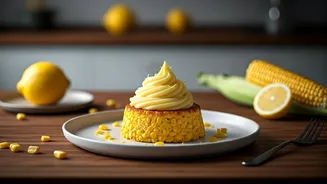
parts of the world, corn’s inherent sweetness has made it a dessert superstar. From Mexico’s sweet, cake-like *pan de elote* to Asia’s creamy corn ice creams, chefs have long understood that a fresh kernel of sweet corn is basically a tiny, earthy orb of sugar. Its sweetness is milky and mild, not sharp or cloying. It provides a starchy, substantive base that can carry other flavors while offering a satisfying, almost creamy texture when puréed or a pleasant pop when left whole. In desserts, corn isn't a vegetable masquerading as a treat; it’s a natural grain revealing its sweet soul.
Lemon: The Indispensable Summer Classic
If corn is the unexpected guest at the dessert table, lemon is the host. There is no flavor more synonymous with summer refreshment. From lemonade to lemon meringue pie, its bright, zesty acidity is the culinary equivalent of a sunbeam cutting through a hazy afternoon. Lemon’s role is to provide contrast and lift. It wakes up the palate, cuts through richness, and adds a clean, aromatic finish to everything it touches. In the world of desserts, it’s a reliable workhorse, preventing sweet dishes from becoming one-note and heavy. While corn provides the comforting, earthy base, lemon brings the sunshine. It’s the familiar half of this duo, the anchor that makes the adventurous pairing feel accessible.
The Delicious Science of Opposites Attract
So, why do these two work so well together? It’s a classic case of culinary magic rooted in the principle of balance. The magic happens where their differences meet. The natural sugars and starches in sweet corn create a rich, round, and comforting flavor profile. On its own in a dessert, it can sometimes feel a bit flat or overly wholesome. That’s where lemon comes in. The sharp, clean acidity of lemon juice and the fragrant oils in its zest slice directly through that starchy sweetness. It’s like a spotlight that illuminates the corn’s subtle flavors, making them taste more complex and intentional. In return, the creamy, mellow corn flavor tames the lemon's aggressive sourness, grounding it and giving it a soft place to land. The result is a perfect harmony: a dessert that is simultaneously bright and comforting, surprising and deeply satisfying.
A Symphony of Textures
Beyond flavor, the corn-and-lemon combination excels in creating interesting textures. Imagine a silky corn panna cotta, its creamy sweetness punctuated by a tart lemon gelée. Think of a rustic cornmeal cake, with its slightly gritty, satisfying crumb, soaked in a bright lemon syrup. Or consider the ultimate summer treat: a scoop of sweet corn ice cream, rich and custardy, with a vibrant ribbon of lemon curd swirled throughout. The textural play is endless. The corn can be creamy, gritty, or provide a juicy pop, while the lemon can be a glaze, a curd, a zest, or a syrup. This versatility is why chefs are so drawn to the pairing; it allows for creativity that engages the entire mouth, preventing the boredom that can come from a single-note dessert.
The Perfect Flavor for June
This pairing feels particularly suited for right now. June is a month of transition. It’s not the light, delicate world of spring berries, nor is it the deep, heavy harvest of late summer’s peaches and plums. It’s the official start of summer, a time of hopeful, sunny optimism mixed with the comforting promise of relaxing days ahead. Corn and lemon capture that feeling perfectly. The lemon is the bright, forward-looking zest of the longest days of the year, while the corn provides the earthy, comforting sweetness that feels like coming home. It’s a sophisticated yet unpretentious combination that tastes like the beginning of something wonderful. It’s not just a trend; it's the flavor of a specific, cherished moment in the American calendar.