






1. Refresh Your Wiper Blades
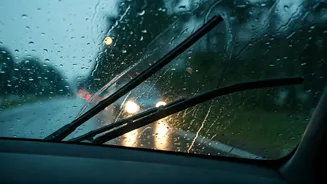
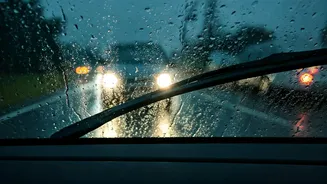
This is the single most important step for visibility in a storm. Wiper blades are made of soft rubber that degrades over time due to sun exposure, temperature swings, and simple wear and tear. If your wipers are streaking, skipping, chattering, or smearing
water instead of clearing it, they’re past their prime. Most experts recommend replacing your blades every six to twelve months. It’s an inexpensive and surprisingly simple job you can do yourself in any auto parts store parking lot. Most blades use a simple clip or hook system. Just lift the wiper arm away from the windshield, find the small tab to release the old blade, and slide the new one on until it clicks. Your future self, caught in an unexpected cloudburst, will thank you.
2. Apply a Windshield Treatment
Want to watch rain magically bead up and fly off your windshield? A hydrophobic glass treatment is your answer. Products like Rain-X or Aquapel create an invisible, ultra-slick coating that prevents water from clinging to the glass. At highway speeds, you may find you barely need your wipers at all, as the airflow whisks the water droplets away. Application is straightforward: start with a perfectly clean and dry windshield. Apply a small amount of the liquid to a microfiber cloth and wipe it onto the glass in a circular motion, ensuring full coverage. Let it dry to a haze for a few minutes, then buff it off with a clean, dry cloth until the glass is crystal clear. This simple process dramatically improves visibility and reduces the strain on your wiper motor.
3. Inspect Your Tires
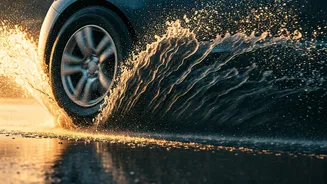
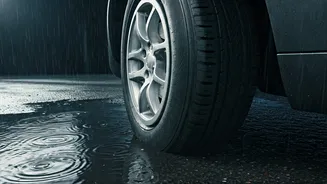
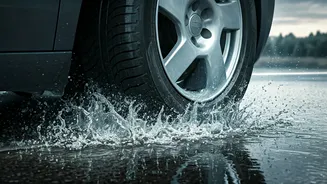
Your tires are your car's only connection to the road, and in the rain, that connection is everything. The deep grooves in your tires are designed to channel water away, preventing a dangerous phenomenon called hydroplaning, where the tire essentially floats on a thin layer of water, causing a complete loss of traction. To check your tread depth, use the classic penny test. Insert a penny into the tread with Lincoln's head upside down. If you can see the top of his head, your tread is worn below the safe limit (2/32 of an inch) and it's time for new tires. Also, check your tire pressure at least once a month. Underinflated tires can’t maintain their optimal shape, reducing their ability to push water aside effectively and increasing your risk in wet conditions.
4. Restore Your Headlights
It’s not just about seeing; it’s about being seen. Over time, the plastic lenses on modern headlights become cloudy and yellowed from UV damage and road debris. This oxidation diffuses the light, significantly reducing its brightness and range, which is especially noticeable in rain and fog. Other drivers will have a harder time seeing you, too. You don't need to buy expensive new headlight assemblies. For a fraction of the cost, you can buy a headlight restoration kit from any auto parts store. These kits typically include a series of fine-grit sandpaper, a polishing compound, and a UV-protective sealant. With about an hour of work, you can sand away the damaged layer and polish the lenses back to a like-new clarity, restoring your car's nighttime visibility and safety.
5. Wax or Seal Your Paint
A good coat of wax or a modern paint sealant does more than just make your car look shiny. It creates a protective barrier on your car's clear coat. Much like a windshield treatment, a quality wax helps water bead up and roll right off the paint. This not only keeps your car cleaner by preventing dirty rainwater from drying on the surface, but it also protects the finish from the acidic compounds often found in rain. The slick surface means less grime sticks to your vehicle, making subsequent washes much easier. Whether you opt for a traditional carnauba wax for a deep shine or a long-lasting synthetic sealant for durability, this step is a key part of keeping your entire vehicle protected from the elements, not just the glass.