








Why 'Go Hard or Go Home' Is Only Half the Story
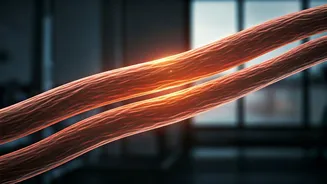
We tend to think of exercise as the moment progress happens. You lift the weight, run the mile, or finish the class, and you’ve improved. But that’s a misconception. Intense physical activity is actually a stressor that creates microscopic tears in your
muscle fibers and depletes your body's energy stores (glycogen). This is the stimulus for change, not the change itself. The magic—the actual muscle growth, strength gain, and endurance improvement—happens after you stop. During the recovery period, your body gets to work repairing those muscle fibers, making them stronger and more resilient to handle future stress. It also replenishes its energy reserves and allows your central nervous system, which coordinates all that effort, to recharge. Without this repair cycle, you’re just repeatedly breaking your body down without ever giving it the chance to build back up. This leads to plateaus, burnout, and an increased risk of injury.
More Than Just a Day Off
When people hear 'recovery,' many just think of a 'rest day,' which they picture as sitting on the couch. While passive rest is certainly part of the equation, effective recovery is an active process. It’s a series of deliberate choices you make to optimize your body’s natural repair mechanisms. Think of it less like hitting the brakes and more like a skilled pit crew refueling and retuning a race car between laps. This strategic approach, often called 'active recovery,' can involve gentle movement to increase blood flow, specific nutrition to provide building blocks for repair, and prioritizing sleep to maximize hormonal processes that drive growth. It’s about creating the ideal internal environment for your body to adapt to the hard work you’ve put in. Ignoring this crucial phase is like buying expensive seeds and planting them in poor soil with no water—you’re wasting the potential you worked so hard to create.
The Pillars of Effective Recovery
You don't need expensive gadgets or complicated protocols to master recovery. It boils down to consistently nailing a few fundamental pillars. First and foremost is sleep. This is non-negotiable. During deep sleep, your body releases human growth hormone (HGH), a key player in repairing tissues, building muscle, and metabolizing fat. Aiming for 7-9 hours of quality sleep per night is arguably the most powerful performance enhancer available. Next is nutrition. Post-workout, your body is primed to absorb nutrients. Consuming protein within a few hours of exercise provides the amino acids needed to rebuild damaged muscle fibers. Pairing it with carbohydrates is just as critical, as carbs refill the muscle glycogen stores you burned, ensuring you have energy for your next session. Don't forget hydration; water is essential for transporting these nutrients and flushing out metabolic waste. Finally, consider gentle movement. On your 'off' days, active recovery practices like walking, light cycling, stretching, or foam rolling can boost circulation. This increased blood flow delivers oxygen and nutrients to sore muscles while helping to clear out byproducts that contribute to stiffness, a process that can speed up your return to peak performance.
Signs You're Missing the Mark
How do you know if you’re under-recovering? Your body will send clear signals. Persistent muscle soreness that lasts for days (beyond typical delayed onset muscle soreness), a noticeable drop in performance, or hitting a plateau where you can’t seem to lift heavier or run faster are all classic signs. Other indicators are more subtle: elevated resting heart rate, trouble sleeping, frequent illness, or a general feeling of fatigue and irritability. Learning to listen to these signals is a skill. It requires letting go of the rigid 'never miss a workout' mentality and embracing a more flexible approach. Sometimes, the most productive thing you can do for your fitness is to swap a high-intensity session for a restorative walk, an extra hour of sleep, or a nutrient-dense meal.