


The End of the Big Platter?
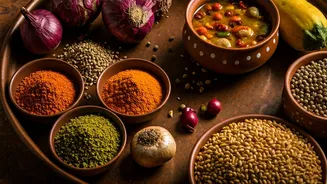
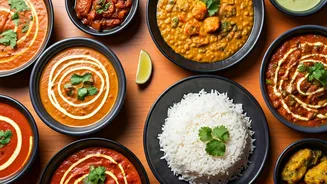
For generations, the Indian meal has been a communal affair, centered around large platters (thalis) laden with a dozen small bowls, or family-style pots of fragrant biryani and rich, slow-cooked curries. It’s a tradition rooted in shared experience and abundance.
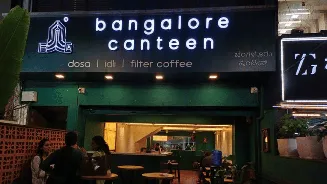
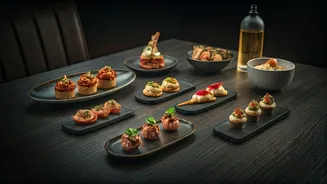
But in the chic bistros of Mumbai, the hip cafes of Bangalore, and the stylish gastropubs of Delhi, a different culinary philosophy is taking hold. Enter the age of the small plate.This isn't just about smaller portions; it's a complete reimagining of the dining experience. Chefs are deconstructing classic dishes and reassembling them as tapas-style offerings. Think of it as Indian food’s answer to the Spanish tapas bar or the Chinese dim sum hall. It’s a move away from the obligation of a single, heavy main course toward a more flexible, varied, and social way of eating.
The Drivers: Youth, Speed, and Variety
So, why the shift? A perfect storm of demographic and economic changes is driving the trend. At the forefront is India's massive young, urban population. Millennials and Gen Z, with more disposable income and exposure to global trends than any generation before them, are seeking new experiences. They don’t want the same meal their parents ate; they want novelty, variety, and an Instagram-worthy presentation.Small plates perfectly cater to this desire. They allow a group of friends to order a wide array of dishes to share, turning dinner into a dynamic tasting menu rather than a static meal. This format is also more forgiving on the wallet. Instead of committing to one expensive entrée, diners can sample several innovative, chef-driven creations for the same price. In a fast-paced urban environment, this “snackification” of meals also fits a lifestyle where traditional, sit-down mealtimes are becoming less common.
A Taste of the Trend
The creativity on display is astounding. Traditional street food is getting a gourmet makeover. Imagine a classic pani puri (or golgappa), a hollow fried crisp filled with spiced water, but served in a sophisticated flight of “shots,” each with a different flavored water—tamarind, mint, mango. Samosas, the humble triangular pastry, might be deconstructed into a crispy cone filled with spiced potato mousse and topped with a tamarind gel.Elsewhere, you might find mini-dosa tacos filled with pulled jackfruit, sliders made with paneer tikka instead of a meat patty, or bite-sized parathas served with artisanal dips. It's a culinary playground where chefs are free to experiment, blending regional Indian flavors with global techniques and formats. The result is food that is at once familiar and thrillingly new, paying homage to tradition while eagerly looking toward the future.
A Window into Modern India
Ultimately, the bite-sized trend is more than just a culinary fad. It’s a delicious metaphor for the changes sweeping across modern India. It reflects a culture that is more individualistic, more globalized, and more experiential than ever before. The focus has shifted from mere sustenance to a broader appreciation for artistry, choice, and social connection.This new dining mood mirrors a society that is confidently blending its rich heritage with a global outlook. It’s about retaining the soul of Indian flavors—the complex spices, the regional nuances—while presenting them in a format that speaks to a contemporary, worldly audience. The plate may be getting smaller, but the story it tells about India today has never been bigger.