

The Old Kitchen and The New Ambition
For a generation, the story of modern India was one of forward motion. It was about leaving the village for the city, trading agricultural rhythms for corporate deadlines, and embracing globalized convenience. In this narrative, the traditional family
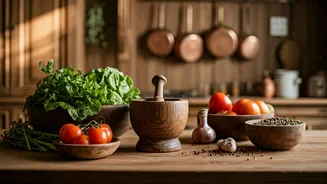
kitchen—often ruled by mothers and grandmothers, filled with the scent of hand-ground spices and the slow simmer of heirloom recipes—was often seen as a relic. For many young women, escaping it was a form of liberation. For young men, it was a domain they rarely entered. Eating out, ordering in, and relying on processed foods became symbols of a new, fast-paced, and aspirational lifestyle. The complex, time-consuming cooking of the past didn't fit into a life measured in deadlines and promotions. The kitchen, in this context, was something to be outgrown.
A Pandemic-Fueled Renaissance
Then, the world stopped. The COVID-19 pandemic and its sweeping lockdowns acted as a powerful catalyst for a culinary U-turn. Confined to their apartments and cut off from restaurants, food delivery, and their parents’ homes, millions of young Indians had to confront their own kitchens for the first time. What began as a necessity—learning to make a simple dal or cook rice—quickly evolved. The isolation of lockdown created a hunger not just for food, but for connection and comfort. Phone calls to mothers and grandmothers for recipes became a daily ritual. The simple act of recreating a familiar dish was a way to feel closer to family, to find solace in the taste of home. This forced intimacy with cooking demystified the process and, for many, turned a chore into a source of pride and creativity.
Heritage Goes Viral
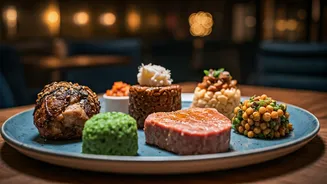
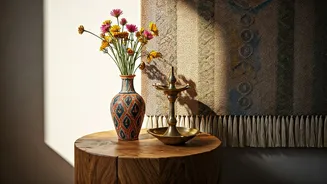
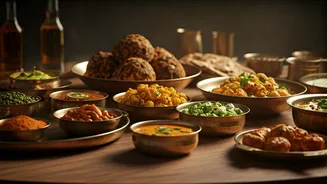
This newfound interest found a perfect partner in social media. The trend isn’t happening in a vacuum; it’s being documented, styled, and shared on platforms like Instagram and YouTube. This isn’t just about cooking; it’s about curating an identity. Young Indians are posting beautifully filtered photos of vibrant thalis (platters with multiple small dishes), rustic earthenware, and old-fashioned brass utensils inherited from a grandparent. Food influencers have built massive followings by exploring forgotten regional cuisines and giving traditional recipes a modern, health-conscious twist. This digital romanticism has transformed heirloom cooking from something dated into something deeply cool and authentic—a way to perform one’s cultural roots in a visually appealing, highly shareable format. It’s a nostalgic aesthetic, but a thoroughly modern one.
More Than Just a Meal
Ultimately, this return to the family kitchen is about more than just food. It’s a powerful statement about identity in 21st-century India. In a country undergoing rapid, sometimes disorienting, change, connecting with a specific culinary heritage is a way to anchor oneself. It’s a pushback against the homogeneity of global fast-food culture. Learning the difference between regional spice blends or mastering a complicated family recipe is an act of preserving a story—a tangible link to a specific place, community, and lineage. It also represents a rebalancing of gender roles. Unlike in their grandparents' time, this movement involves both young men and women, who see cooking not as a domestic duty but as a valuable life skill, a creative outlet, and a source of wellness.