


The Roaring 'Sea of Milk'
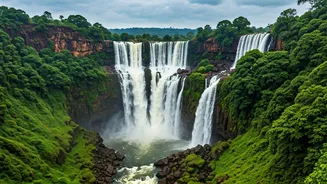
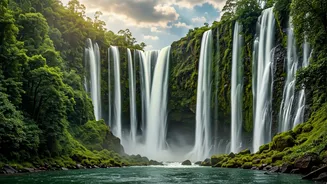
Tucked away in the lush Bhagwan Mahaveer Sanctuary and Mollem National Park on the border of Goa and Karnataka, Dudhsagar is one of India’s tallest waterfalls. Its name translates to “Sea of Milk,” a fitting description for the powerful, four-tiered cascade
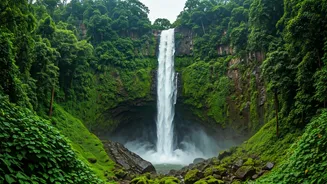
that plunges over 1,000 feet down a steep mountainside. During the dry season, it’s a beautiful, if somewhat tamer, sight. But when the monsoon arrives from June to September, Dudhsagar undergoes a radical transformation. Fed by relentless rains, the Mandovi River swells, turning the falls from a graceful ribbon of white into a roaring, colossal torrent. The sheer volume of water creates a misty, opaque spray that blankets the surrounding gorge, making the waterfall look less like water and more like a massive, overflowing cauldron of milk. This is the spectacle that draws crowds—not in spite of the rain, but because of it.
Who Are the Monsoon Chasers?
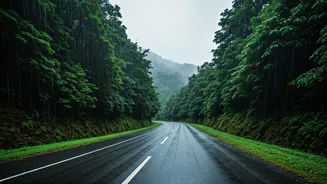
For many Americans, planning a trip to South Asia means carefully avoiding the rainy season. But a growing movement of domestic and international travelers in India, often called “monsoon chasers” or “pluviophiles,” do the exact opposite. They seek out the drama of the season. Monsoon chasing isn’t about sitting inside and watching the rain; it’s about experiencing the profound way the landscape comes alive. The dust of the dry season washes away, revealing impossibly vibrant greens. Rivers and waterfalls that were mere trickles become formidable forces of nature. The air becomes clean, cool, and charged with energy. For these adventurers, the monsoon isn't an inconvenience to be endured but the main event—a sensory experience of sound, smell, and sight that offers a completely different perspective on the country’s natural beauty.
The Journey Is Part of the Adventure
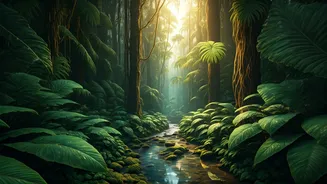
Getting to Dudhsagar during peak monsoon is an adventure in itself, adding to its allure. While private vehicles are restricted, two primary routes offer distinct experiences. The most iconic is by train. The railway line from Goa to Karnataka cuts directly across the face of the waterfall, passing over a stone bridge that offers breathtaking, if fleeting, views. As the train slows, passengers crowd the doors and windows to feel the mist on their faces and witness the torrent up close. It’s a moment of pure cinematic drama. The other option is a rugged jeep safari organized by the local forest department from the nearby village of Collem. These 4x4 vehicles navigate bumpy, mud-slicked forest tracks and cross streams to reach a viewpoint near the base of the falls. This journey immerses you in the dense, rain-soaked jungle, making the final reveal of the waterfall feel like a hard-earned reward.
Goa Beyond the Beach
For decades, Goa’s identity has been tied to its golden sand beaches, all-night parties, and Portuguese-inflected charm. It’s been a haven for sun-seekers. The rise of Dudhsagar as a monsoon destination highlights a different side of the state—its wild, untamed interior, known as the Western Ghats. This UNESCO World Heritage site is a biodiversity hotspot, and the monsoon season is when its ecosystem is at its most vibrant. The flock of visitors to the falls signals a broader shift in tourism, where travelers are increasingly looking for authentic, nature-based experiences over pre-packaged leisure. They are choosing the thunderous roar of a waterfall over the thumping bass of a beach club, trading their swimsuits for raincoats and sturdy boots.