



The Great Rebranding
The journey from a health food store’s dusty back shelf to a premium spot in Sephora is a story of aesthetics. For generations, practices like Ayurveda were seen in the U.S. as niche, alternative, or medicinal. Today, they are presented through the lens
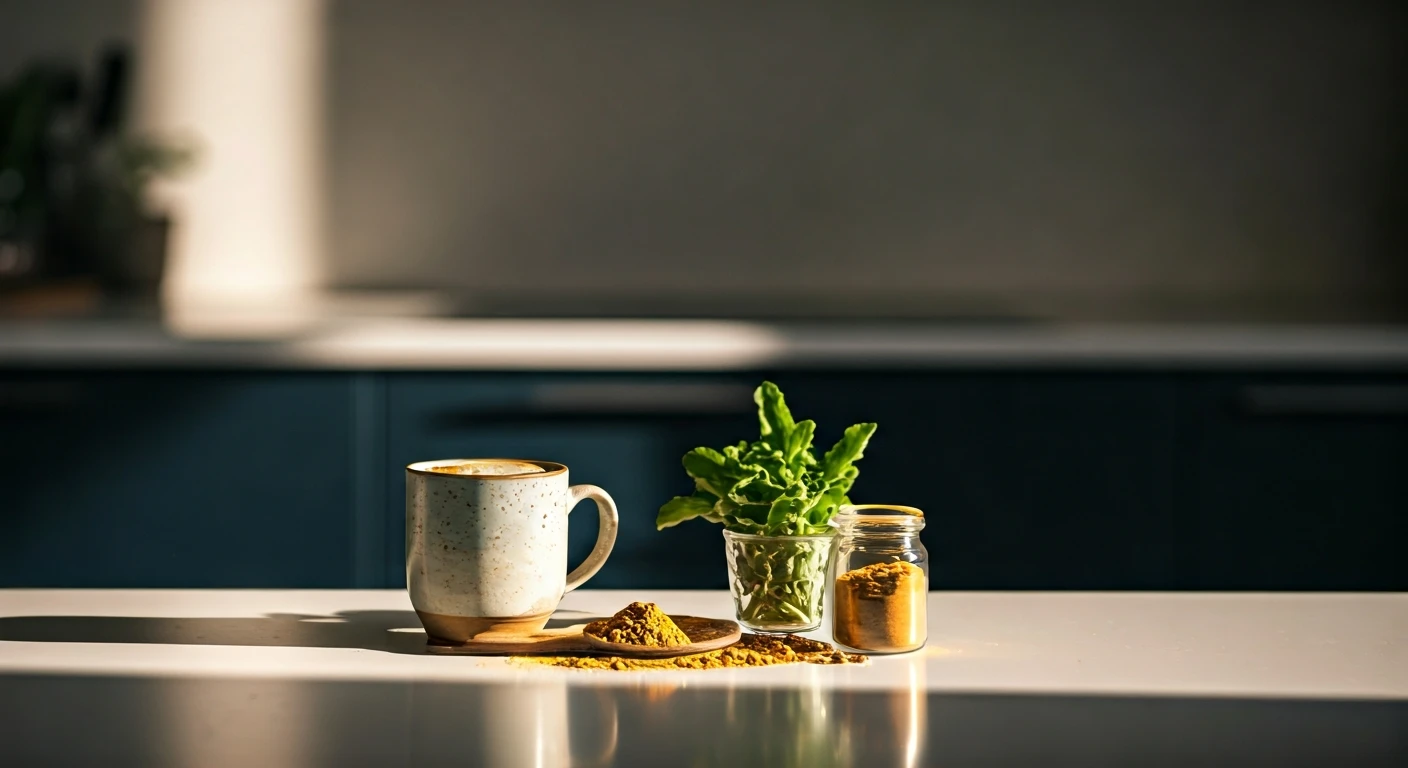
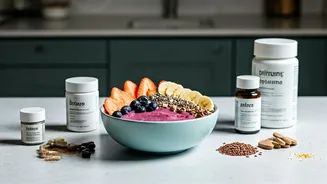
of minimalist luxury. Brands have stripped away the overtly traditional or complex-sounding elements, repackaging them for a Western, visually-driven consumer. Think sleek, matte-finish canisters of ashwagandha powder, pastel-hued bottles of amla oil, and geometric jars of turmeric-infused ghee. The product isn't just the ingredient; it's the beautifully designed, shelf-worthy object that contains it. This shift in presentation makes the product feel less like a folk remedy and more like a high-end cosmetic or designer home good, perfectly suited for the curated world of an Instagram feed.
TikTok and the ‘That Girl’ Aesthetic
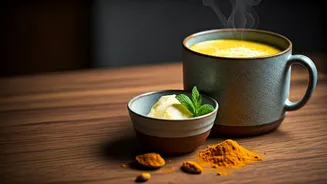
If branding provided the packaging, social media provided the platform. Gen Z’s digital fluency, particularly on visual platforms like TikTok and Instagram, has been the primary engine for this trend. Wellness is no longer just about feeling good; it’s about *looking* like you feel good. The wildly popular “that girl” aesthetic—a trope centered on productivity, health, and curated perfection—often features these Indian wellness products as key props. A typical video might show a creator starting their day not with coffee, but with a meticulously whisked “moon milk” (spiced, frothy milk with adaptogens like ashwagandha) or a vibrant “golden latte” (turmeric milk). These practices are presented as aspirational rituals, essential tools for achieving a serene, successful, and aesthetically pleasing life. The hashtag #ashwagandha has billions of views on TikTok, driven not by Ayurvedic scholars but by young creators integrating it into their daily content.
Wellness as a Status Symbol
When a wellness product costs $40 a jar and is sold in exclusive stores, it ceases to be just about health. It becomes a status symbol. For Gen Z, a generation that values authenticity and identity curation, consumption is often a form of self-expression. Using these premium wellness products signals more than just a commitment to health; it signals cultural capital. It says, “I am in the know about cutting-edge wellness,” “I have the disposable income to invest in my well-being,” and “I appreciate global traditions (in their modernized form).” In a burnout-obsessed culture, performing an elaborate wellness routine with expensive, exotic ingredients is the ultimate luxury. It’s a quiet flex, communicating a lifestyle of mindful consumption and self-optimization that is both enviable and exclusive.
The Conversation Around Appropriation
This trend is not without its critics. The commercialization of Indian wellness raises complex questions about cultural appropriation. When practices rooted in thousands of years of holistic philosophy are reduced to a trendy ingredient or a 15-second video, much of the original context and spiritual significance is lost. Ayurveda, for instance, is a comprehensive medical system tailored to individual constitutions, not a one-size-fits-all supplement to be added to a smoothie. There’s a notable backlash against the high price points, which make these “luxury” products inaccessible to many, including people from the very communities where these traditions originated. However, the narrative is also being shaped by a new wave of South Asian American entrepreneurs who are launching their own brands, aiming to reclaim these practices, share them authentically, and build successful businesses in the process. They walk a fine line, navigating the demands of the Western market while trying to honor their heritage.