

The Mythical Valley of Flowers
The destination is the Valley of Flowers National Park, a UNESCO World Heritage site located in the Chamoli district of Uttarakhand, India. At an altitude of over 11,500 feet, this is no ordinary park. According to local legend and Hindu mythology, it is a magical
land, known as 'Nandan Kanan' (the garden of Indra in paradise), from which the deity Hanuman collected life-saving herbs. For centuries, it was a place known mostly to ascetics and local shepherds. It wasn't until 1931, when British mountaineer Frank S. Smythe stumbled upon it, that the valley's incredible biodiversity was introduced to the wider world. Its seasonal opening, typically from June 1st to late October, is an eagerly awaited event for trekkers, botanists, and spiritual seekers.
The Journey Itself
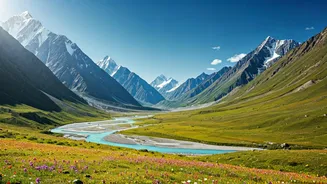
Reaching this remote paradise is a pilgrimage in its own right. The journey for most travelers begins in the bustling spiritual town of Rishikesh. From there, it's a long, scenic, and winding drive of about 10-12 hours to Joshimath or Govindghat, the starting point for the trek. The actual foot journey begins from Pulna, a short drive from Govindghat. The first day's trek is a roughly 9-mile trail along the surging Pushpawati River to a small base camp village called Ghangaria. This portion is moderately strenuous but paved and well-trafficked, with ponies available for hire. After acclimatizing overnight in Ghangaria, the real prize is a shorter but steeper 2-mile climb into the Valley of Flowers itself. The path is narrow and rugged, but the moment you cross the threshold and the valley opens up before you, the effort melts away.
A Carpet of Alpine Blooms
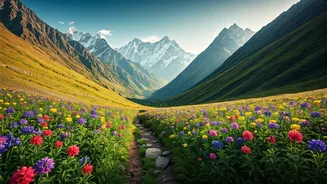
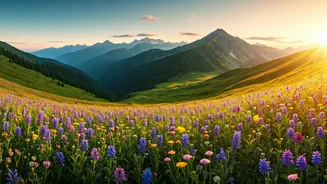
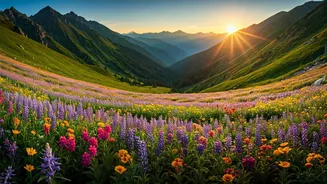
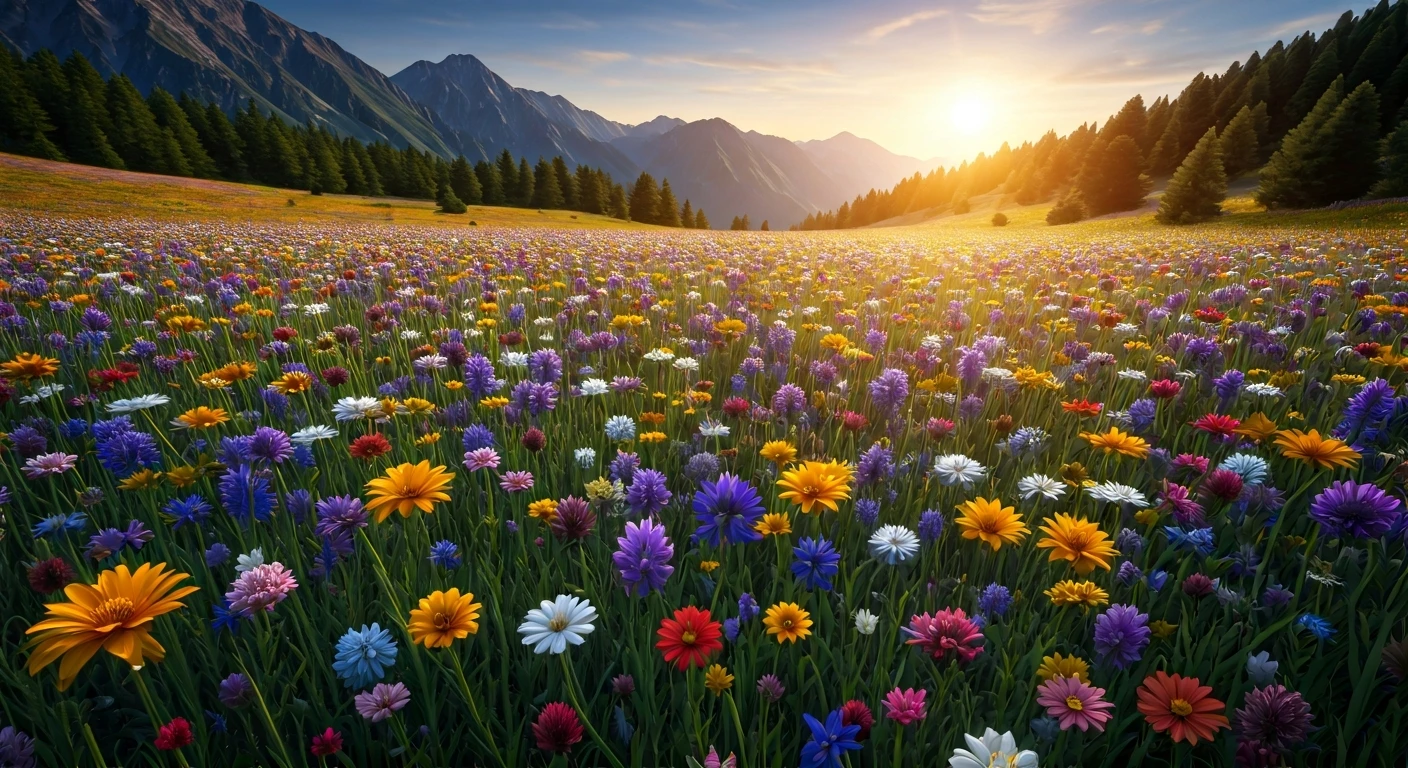
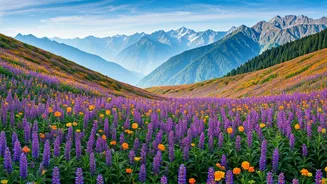
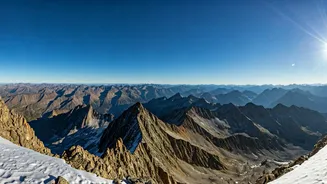
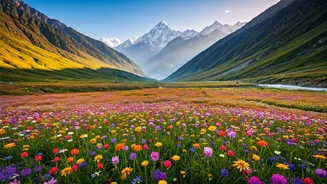
What makes the valley so spectacular is its sheer density and diversity of endemic alpine flowers. While the park is home to over 600 species, you don't need to be a botanist to be overwhelmed by the spectacle. The landscape is a rolling canvas painted with swaths of potentillas, geraniums, asters, and primulas. The most sought-after blooms include the elusive blue poppy, the otherworldly Brahma Kamal (the state flower of Uttarakhand), and the hooded cobra lily. The colors and composition of the valley change almost weekly. Early in the season, it’s a flush of green and yellow. By late July and August, at the peak of the monsoon, the valley explodes into a riot of pink, purple, blue, and white, with misty clouds drifting between jagged, snow-capped peaks in the background.
Essential Trip Planning for U.S. Travelers
Planning is key for this high-altitude adventure. The best time to visit for peak floral bloom is from mid-July to mid-August, coinciding with India's monsoon season, so excellent rain gear is non-negotiable. You’ll need to obtain a permit at the forest department checkpoint just beyond Ghangaria to enter the valley. Pack layers of clothing, as the weather can change in an instant, from warm sun to chilly rain. Sturdy, waterproof hiking boots with good grip are essential. Most importantly, respect the altitude. Take your time on the trek from Govindghat to Ghangaria to help your body acclimatize before attempting the final ascent. While Ghangaria offers basic guesthouses and food, don't expect luxury. This is a journey that rewards resilience with unparalleled natural beauty.