






From the Backyard to the Bedroom
Not so long ago, the family dog often lived in the backyard, and the cat roamed the neighborhood. Their needs were straightforward: basic food, fresh water, and essential veterinary care. Today, that picture has been completely redrawn. For tens of millions
of Americans, pets are no longer just animals we own; they are integral members of the family who sleep in our beds, join us on vacation, and have their own stockings hanging on the fireplace during the holidays. This fundamental shift in our relationship with pets—often called “humanization”—is the primary force driving the evolution of pet spending. The American Pet Products Association (APPA) reported that Americans spent a staggering $136.8 billion on their pets in 2022. That figure isn’t just growing; the *way* it's being spent is changing. It's less about function and more about feeling, wellness, and shared experience.
The Wellness Mirror Effect
One of the clearest signs of lifestyle-led spending is how closely pet wellness trends now mirror human ones. The same health-conscious principles that guide our own grocery shopping are now applied to the pet food aisle. We’re scrutinizing labels for grain-free, high-protein, organic, and human-grade ingredients. Subscription boxes deliver perfectly portioned, fresh meals tailored to a pet’s specific dietary needs, just like Blue Apron or HelloFresh for humans. This extends beyond diet. Is CBD a popular wellness trend for people? Now there are CBD oils and chews to calm anxious dogs. Are you tracking your steps and sleep on a smartwatch? Companies now offer sophisticated collars that monitor a pet’s activity levels, heart rate, and location. We’ve even seen a rise in pet physical therapy, acupuncture, and chiropractic services, treating our furry companions with the same holistic approach we seek for ourselves.
Experience is the New 'Good Boy'
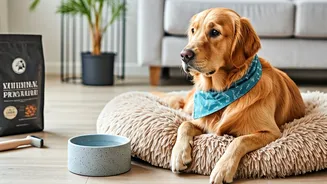
Beyond health, pet spending is increasingly focused on shared experiences. The modern pet owner doesn't want to leave their companion behind. This has fueled a boom in pet-friendly travel, with hotels offering special pet packages complete with beds and welcome treats. Breweries, cafes, and outdoor malls now actively court customers with pets, understanding that a “dogs welcome” sign is a powerful draw. This experiential spending reflects a desire to integrate pets into every facet of our social lives. It’s also a powerful driver for the content economy. A pet is no longer just a companion; they are a co-star in our digital lives. Owners invest in stylish accessories—bandanas, sweaters, custom leashes—not just for function, but for the perfect Instagram photo. The pet becomes an extension of the owner’s personal brand, reflecting their aesthetic and values to the world.
Technology and Convenience Reign
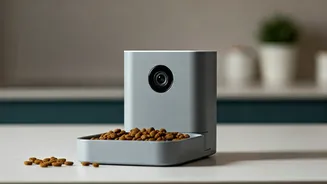
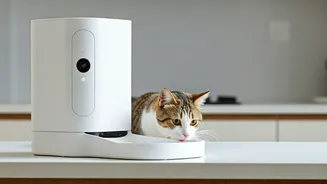
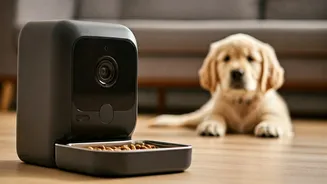
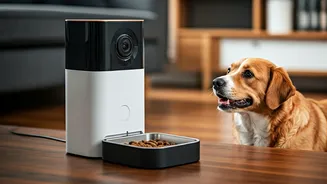
Finally, our demand for convenience and connectivity has reshaped the pet product landscape. Lifestyle-led spending means investing in technology that makes pet ownership easier and more integrated with our smart homes. Automatic, Wi-Fi-enabled feeders dispense meals on a schedule controlled by an app. Pet cameras with two-way audio and treat dispensers allow owners to interact with their pets from the office. Even the humble litter box has gone high-tech, with self-cleaning, odor-controlling models that send notifications to your phone. These products do more than solve problems; they offer peace of mind. They allow a busy owner to feel like a more attentive, engaged caregiver, bridging the gap between a demanding human lifestyle and the constant needs of a pet. It's the ultimate fusion: using human-centric technology to enhance the life of an animal.