


A First Bite of the Trend
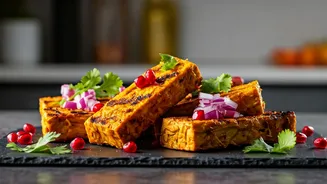
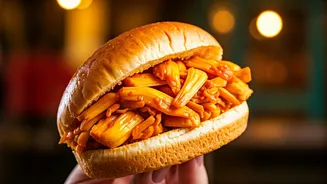
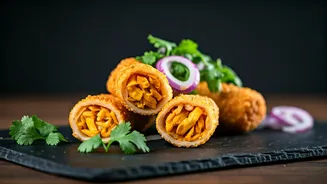
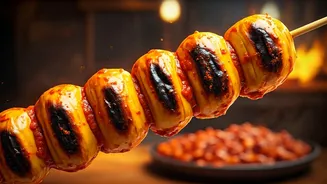
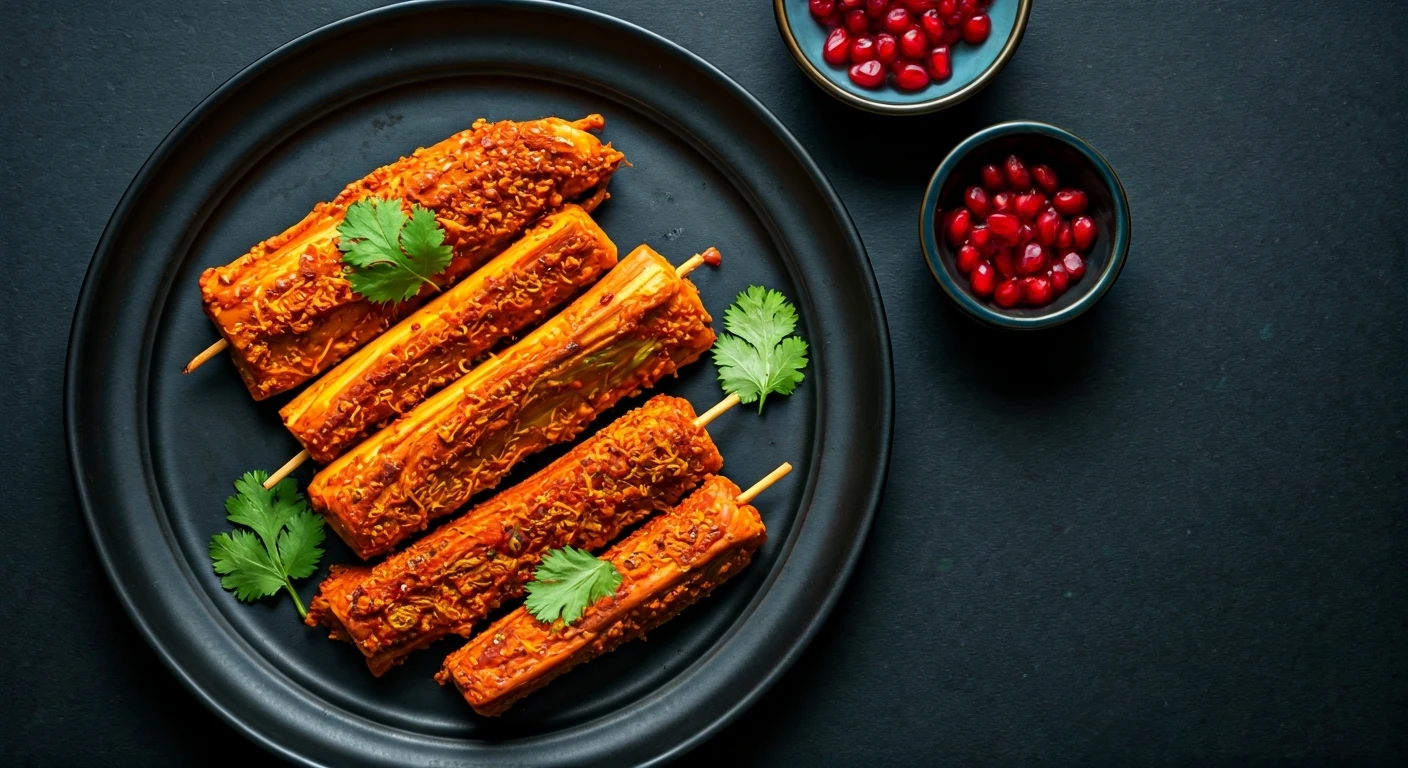
Imagine a flavor bomb that’s simultaneously sweet, spicy, tangy, and savory. That's the essence of the fiery jackfruit dabeli stick. At its core is tender, shredded young jackfruit, slow-cooked in a blend of aromatic spices until it mimics the texture
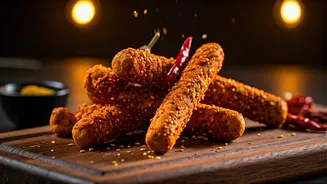
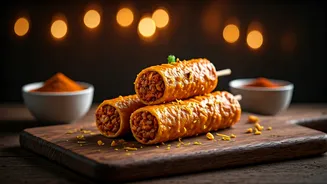
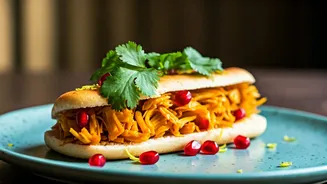
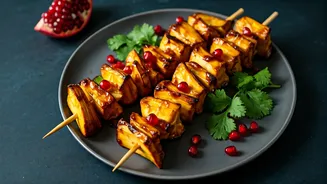
of pulled meat. This filling is packed with a special spice mix known as dabeli masala, which provides a signature warmth and complexity. It’s then often studded with roasted peanuts for crunch and pomegranate arils for a burst of juicy sweetness. Instead of being stuffed inside a traditional bread roll, this entire creation is molded onto a stick, sometimes coated in crispy chickpea flour noodles (sev), and served hot. It's a multi-sensory experience that is both familiar to those who know Indian street food and excitingly new to those who don't.
The Classic Behind the Craze
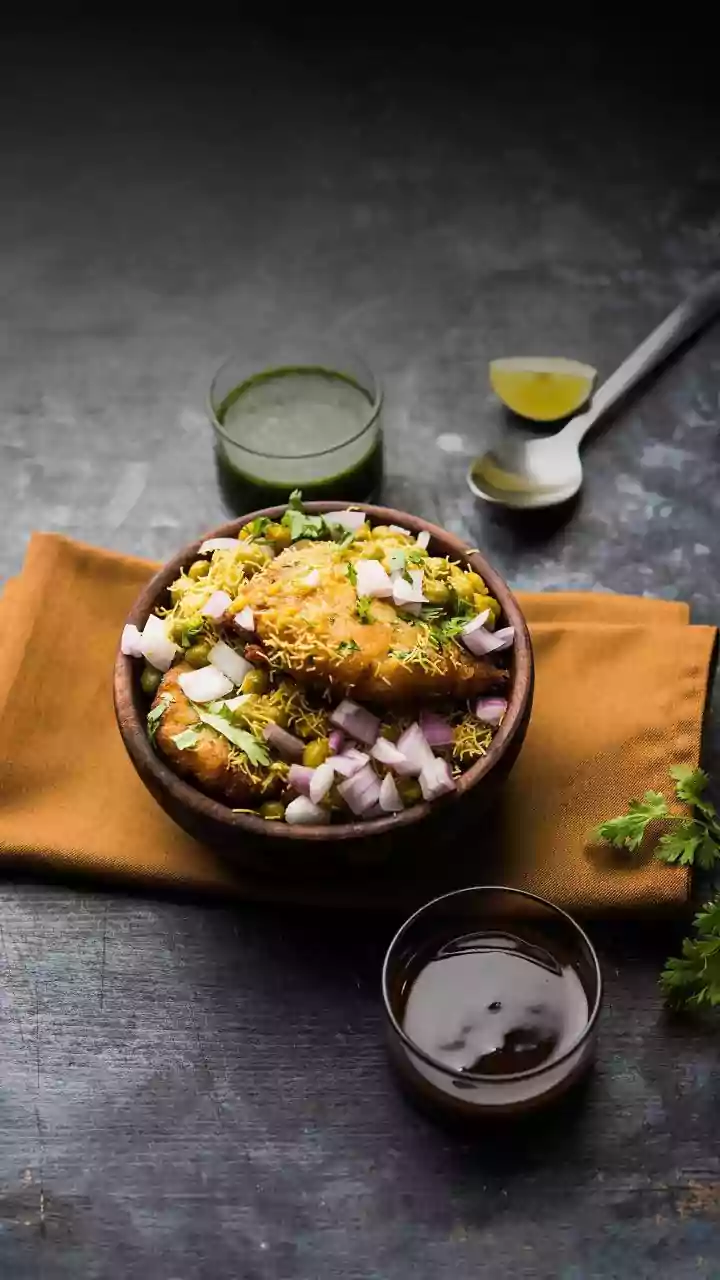
To understand the dabeli stick, you first have to appreciate the original dabeli. Hailing from the Kutch region of Gujarat, India, dabeli literally means “pressed.” The traditional version is a beloved street-side snack featuring a spicy, mashed potato mixture stuffed into a soft *pav* (a small bread roll). The potato filling is flavored with the same iconic dabeli masala and tangy tamarind and date chutneys. It’s then garnished with roasted peanuts, pomegranate seeds, and a generous helping of crunchy sev. It's a handheld pocket of pure comfort food, messy in the best way possible. For decades, it has been a staple of Mumbai’s legendary street food scene, a quick, affordable, and deeply satisfying meal for millions.
Enter the Jackfruit Revolution
So why swap out the classic potato for jackfruit? The answer lies at the intersection of modern dietary trends and culinary ingenuity. Young, unripe jackfruit has become a darling of the plant-based world for its remarkable ability to shred like pulled pork or chicken. Unlike its sweet, ripe counterpart, green jackfruit has a neutral flavor, making it a perfect canvas for absorbing bold spices. By using jackfruit, chefs are able to create a dabeli that is not only vegan but also has a 'meaty' chew that potato can’t replicate. This swap cleverly taps into the massive and growing U.S. market for plant-based alternatives, making a traditional regional Indian snack accessible and appealing to a whole new audience of health-conscious and curious eaters.
Why Put It On a Stick?
The final piece of this innovative puzzle is the format. The decision to serve it on a stick is a stroke of genius tailored for the American food stall and festival environment. Traditional dabeli, while delicious, can be a two-handed, slightly drippy affair. Putting it on a stick transforms it into the ultimate grab-and-go food. It’s portable, easy to eat while walking, and minimizes mess. Furthermore, in the age of social media, presentation is everything. A dabeli stick, with its vibrant colors and distinct shape, is inherently Instagrammable. It’s a dish designed not just for the palate but for the camera, making it a viral sensation waiting to happen. This clever reformatting makes the dish less of a niche item and more of a mainstream contender, ready to compete with corn dogs and kebabs for festival-goers' attention.