
First, Understand Your Paneer
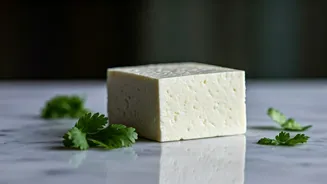
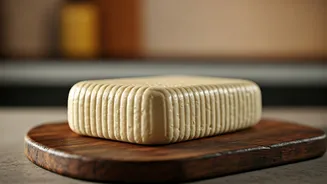
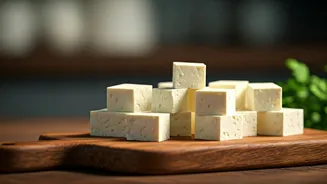
Before we get to the fixes, let’s understand the problem. Paneer is a fresh, unaged, non-melting farmer's cheese made by curdling milk with a food acid like lemon juice or vinegar. Unlike aged cheeses, it has a very high protein content and a relatively
low fat content. Its texture is all about moisture. When you cook it, especially at high heat for too long, that moisture evaporates. The proteins seize up and contract, squeezing out every last drop of water. The result? A block of cheese with the texture of a pencil eraser. The key to soft paneer, then, isn't just about adding fat; it's about preserving its internal moisture or reintroducing it just before cooking. Once you grasp this principle, every step of the process, from prep to final simmer, becomes more intuitive.
The 15-Minute Hot Water Soak
This is the single most important trick in the book, and it works for both store-bought and homemade paneer. Store-bought paneer, in particular, can be quite firm from being pressed and refrigerated. Giving it a brief, hot bath completely revitalizes it.
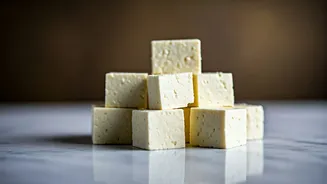
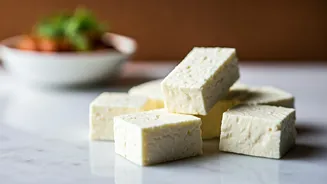
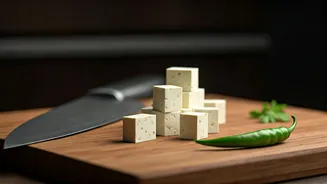
Here’s how: Cube your paneer as desired. Bring a small pot of water to a boil, then turn off the heat. Add a generous pinch of salt (this helps season the paneer from the inside out) and submerge the cubes. Let them soak for about 15 minutes. You will notice the cubes visibly soften and become more pliable. Gently pat them dry with a paper towel before proceeding with your recipe. This simple step not only rehydrates the cheese, making it tender and spongy, but it also ensures it absorbs the flavors of your sauce more readily.
Cook It Fast, Not Forever
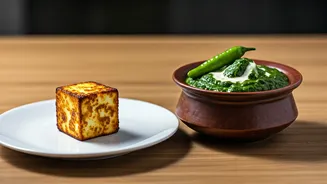
The second biggest mistake is overcooking. Paneer doesn’t need to be “cooked through” in the same way meat does. It’s already cooked, in a sense. The goal is to simply heat it and, if desired, give it a bit of color and texture on the outside. Whether you’re adding it to a gravy or a dry stir-fry, it should be one of the last ingredients to go into the pan. If you're using it in a curry like palak paneer or paneer butter masala, add the soaked cubes during the last 3-5 minutes of simmering. This is just enough time for it to warm up and soak in the flavors of the gravy without giving it a chance to toughen up again. Think of it more like adding fresh herbs at the end—a finishing touch, not a foundational element that needs to be braised for an hour.
Pan-Sear, Don't Always Deep-Fry
Many traditional recipes call for deep-frying the paneer cubes until golden brown before adding them to a gravy. While this creates a delicious, slightly chewy outer layer that holds its shape, it also adds a significant amount of oil, contributing to that “heavy” feeling. For a lighter approach that still delivers great texture, switch to pan-searing.
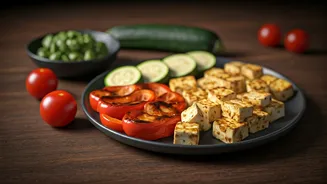
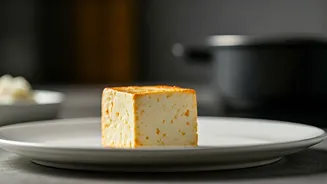
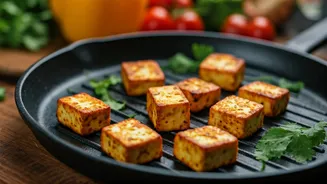
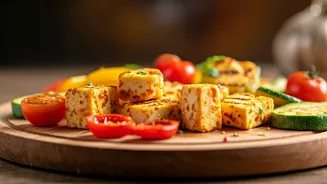
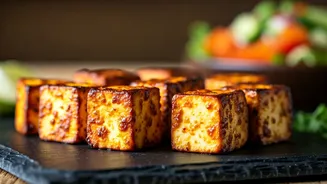
Heat a teaspoon or two of a neutral oil or ghee in a non-stick skillet over medium-high heat. Add your soaked and dried paneer cubes in a single layer, ensuring not to crowd the pan. Sear for just a minute or two per side, until you get a light golden-brown crust. This method uses a fraction of the oil but still provides a satisfying textural contrast and prevents the paneer from dissolving into the sauce.
Build a Lighter, Brighter Sauce
Finally, address the “heavy” issue at its source: the gravy. Heavy cream is a shortcut to a rich, luscious sauce, but it’s far from the only option. To build a flavorful curry that doesn’t weigh you down, lean on other thickeners. A base of puréed onions and tomatoes, cooked down until the oil separates, is the foundation of countless Indian dishes and provides plenty of body. For creaminess, try adding a tablespoon or two of ground cashews or almonds blended with water to form a smooth paste. Another fantastic, and even lighter, alternative is a dollop of full-fat plain yogurt stirred in at the very end (with the heat off, to prevent curdling). These alternatives provide the richness you crave while letting the bright, aromatic spices shine through.