






From Bad Luck to Main Attraction
For generations, the ideal American vacation was synonymous with sunshine. We planned trips around peak dry seasons, paid premiums for guaranteed blue skies, and frantically checked 10-day forecasts, hoping to avoid the dreaded raindrop icon. A downpour
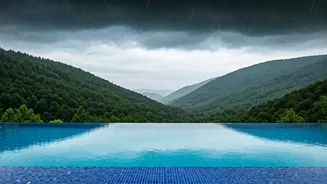
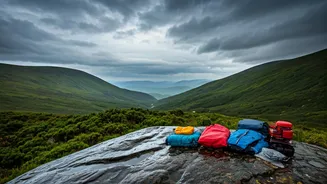
was a random act of nature that could ruin an expensive getaway. But a fascinating counter-trend is emerging. So-called 'mood tourism' or 'rainy day travel' reframes inclement weather not as a problem to be avoided, but as the entire point of the trip. Travelers are actively booking getaways to destinations known for their dramatic, misty, or downright drizzly climates. This isn't about getting caught in a storm; it's about seeking out the unique atmosphere that only comes with a bit of rain. It’s a deliberate choice to trade the pressure of a perfect beach day for the quiet comfort of a storm-swept coast or a misty forest.
The Psychology of Coziness and Comfort
So why would anyone trade a swimsuit for a raincoat? The answer lies in a deep-seated desire for comfort, nostalgia, and a slower pace. This trend taps into the same cultural vein as the Danish concept of 'hygge'—finding contentment in simple, cozy pleasures. A rainy day grants you permission to slow down. The pressure to 'do everything' on a packed itinerary evaporates. Instead, the agenda might be reading a book by a fireplace, nursing a coffee in a steamy cafe, or spending hours in a near-empty museum. There's a romanticism to it, fueled by countless books and films where moody weather sets a contemplative or dramatic scene. Think of the misty landscapes of the English moors or the rain-slicked streets of a European city. For many, this atmosphere feels more restorative and authentic than the forced cheerfulness of a crowded, sun-drenched resort. It's an escape from the relentless 'good vibes only' culture, offering a space for quiet reflection.
Hotspots for a Damp and Dreamy Trip
This isn't just a theoretical concept; destinations are beginning to lean into their moody reputations. The Pacific Northwest has long been a prime example. Cities like Seattle and Portland, and the wild coasts of Oregon and Washington, have a distinct identity tied to their cloud cover. The 'Twilight'-inspired tourism to Forks, Washington, is a perfect case study in people seeking a specific, misty aesthetic. Further afield, Scotland and Ireland have built entire tourism industries on their dramatic, windswept landscapes, where a looming storm is part of the sublime beauty. But the trend extends beyond traditionally cool climates. Smart travelers are discovering the magic of the 'green season' in tropical destinations like Costa Rica or Thailand. Visiting during the monsoon means experiencing lush, vibrant landscapes, dramatic afternoon downpours, and, most importantly, significantly fewer crowds and lower prices. Tour operators are finding that what was once the 'off-season' now holds a special appeal for those looking to see a different side of a popular place.
More Than Just the Weather
Ultimately, the embrace of rainy travel is about more than just the weather itself. It represents a broader shift in what we value in a vacation. In a world of over-tourism and Instagram-driven travel, where iconic spots are mobbed with people trying to capture the same sunny photo, a rainy destination offers a reprieve. It promises a more personal, introspective experience. The crowds are thinner, the pace is slower, and the focus shifts from external validation to internal contentment. Choosing a rainy getaway is an act of defiance against the conventional travel script. It’s a move toward 'slow travel,' where the goal isn't to tick off a checklist but to genuinely inhabit a place and an atmosphere. It also aligns with more sustainable travel practices, as it encourages visiting popular destinations during their shoulder or off-seasons, which helps distribute the economic benefits and environmental impact of tourism more evenly throughout the year.