


From 'Andaz' to Algorithms
For generations, the soul of Indian cooking has been 'andaz'—a Hindi word that loosely translates to estimation, intuition, or personal judgment. Recipes were taught not in grams and milliliters, but in handfuls, pinches, and the feel of the dough. It
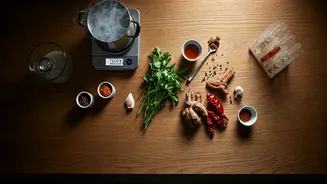
was a beautiful, sensory art form passed from mother to daughter, grandmother to grandson. But today, that art is being augmented by science. The modern Indian kitchen, both in the subcontinent and across the diaspora in the U.S., is seeing a profound shift. Digital scales are appearing next to spice dabbas, and instant-read thermometers are becoming as essential as the trusty tawa (griddle). This isn't about abandoning tradition; it's about perfecting it. Home cooks are discovering that knowing the exact temperature for frying a gulab jamun ensures a perfect golden-brown sphere every time, and that weighing flour for a roti recipe yields a consistently soft, pliable flatbread. It's a move from delicious inconsistency to reliable brilliance.
The New High-Tech Toolkit
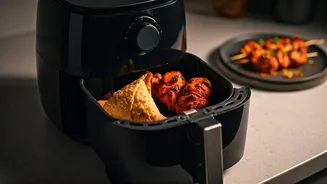
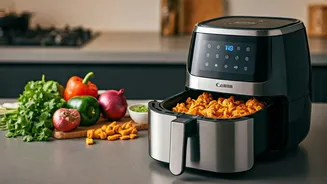
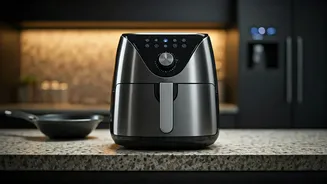
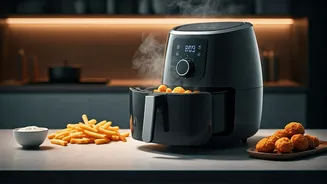
This transformation is powered by a new arsenal of kitchen gadgets that go far beyond the pressure cookers and mixie grinder. The Instant Pot, for example, has become a hero appliance, capable of producing perfectly cooked dal or a complex biryani with a fraction of the time and oversight. It allows for a level of consistency that was once the domain of professional chefs. Air fryers are another game-changer, offering a way to achieve the beloved crispiness of snacks like samosas and pakoras with significantly less oil, appealing to a more health-conscious generation. More adventurous cooks are even exploring techniques like sous vide to create incredibly tender chicken tikka or melt-in-your-mouth lamb kebabs. These tools are not gimmicks; they are instruments that give the home cook unprecedented control over temperature, time, and texture—the fundamental variables of cooking.
The Social Media Catalyst
This movement isn’t happening in a vacuum. It’s being documented, shared, and accelerated by social media. A new wave of food bloggers, YouTubers, and Instagram influencers are the de facto lab instructors for this new generation. They don't just share recipes; they break them down. They explain the Maillard reaction that makes a paratha brown, demonstrate the emulsification in a curry, and run side-by-side experiments to find the best way to proof a naan. Platforms like Instagram are filled with beautifully shot, step-by-step videos that demystify complex techniques. These digital creators have built communities of curious cooks who share their results, ask questions, and collectively push the boundaries of what's possible in a home kitchen. The comments section of a popular Indian food YouTuber's channel often reads like a peer-reviewed journal, with followers suggesting tweaks and reporting their own findings.
A Mindset of Refinement
Ultimately, the shift to a “food lab” is about a change in mindset. The new generation of Indian home cooks, many of whom are busy professionals in fields like tech and engineering, are applying the same analytical and problem-solving skills they use at work to their passion for food. They respect their grandmother’s recipes, but they also want to understand the 'why' behind the 'how.' Why does adding yogurt tenderize meat? What is the optimal ratio of fat to flour in a kachori? They are archivists and innovators, documenting family recipes with scientific precision while simultaneously deconstructing and reinventing them. This blend of reverence for the past and an eagerness for future possibilities is creating a dynamic and exciting new chapter in one of the world's great culinary traditions. It’s a movement that proves that science, far from being sterile, can be the most powerful tool for unlocking even more flavor, creativity, and joy.