


Not Your Average Green
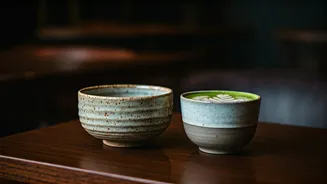
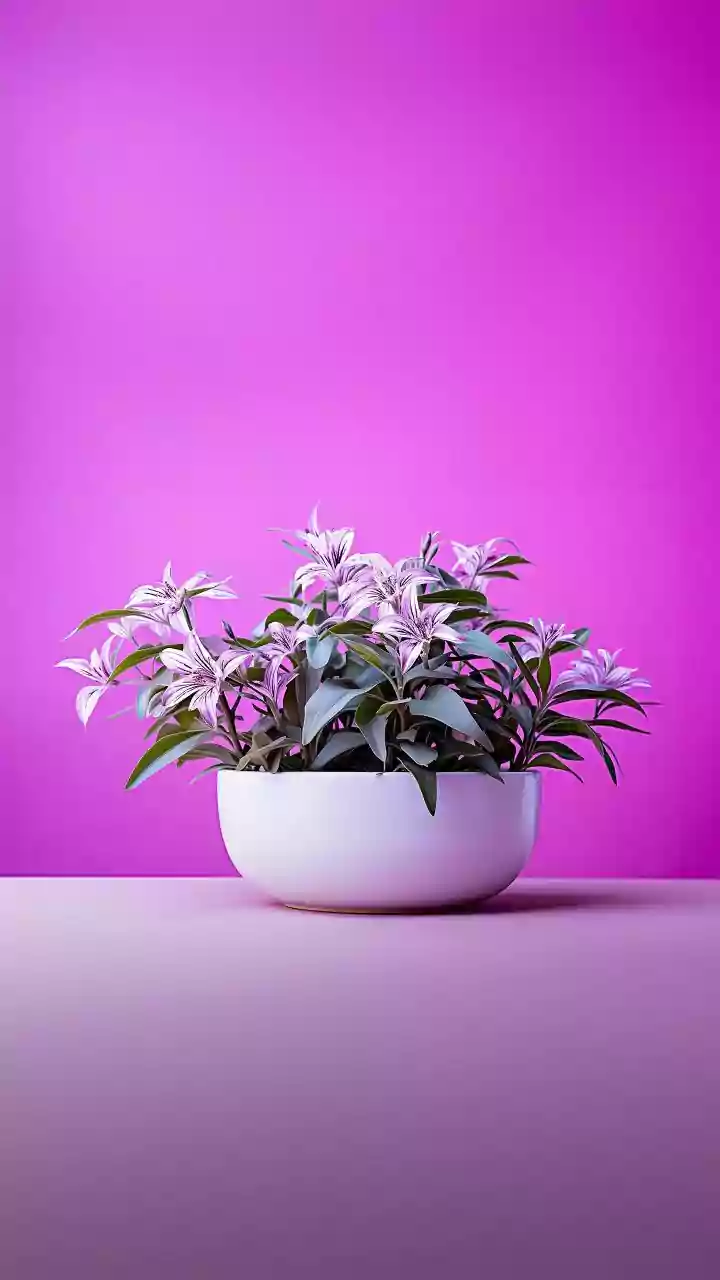
We’re not talking about the deep hunter green of a 1990s steakhouse or the zany lime of a fast-casual chain. This is a more sophisticated, nuanced palette. Think of the dusty, milky green of a well-whisked bowl of matcha, the silvery tint of a sage leaf,
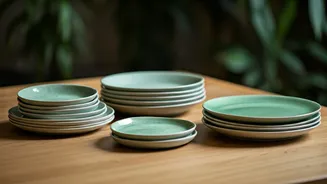
or the pale charm of pistachio ice cream. It’s a family of greens that feels both organic and modern, calming and fresh. These are colors that don't shout; they soothe. In restaurants from Los Angeles to New York, this shade is appearing on everything from ceramic dinner plates and water glasses to upholstered banquettes and tiled walls. It has become the unofficial color of right now, a visual shorthand for a certain kind of contemporary dining experience: one that is thoughtful, ingredient-focused, and effortlessly cool.
A Craving for Calm
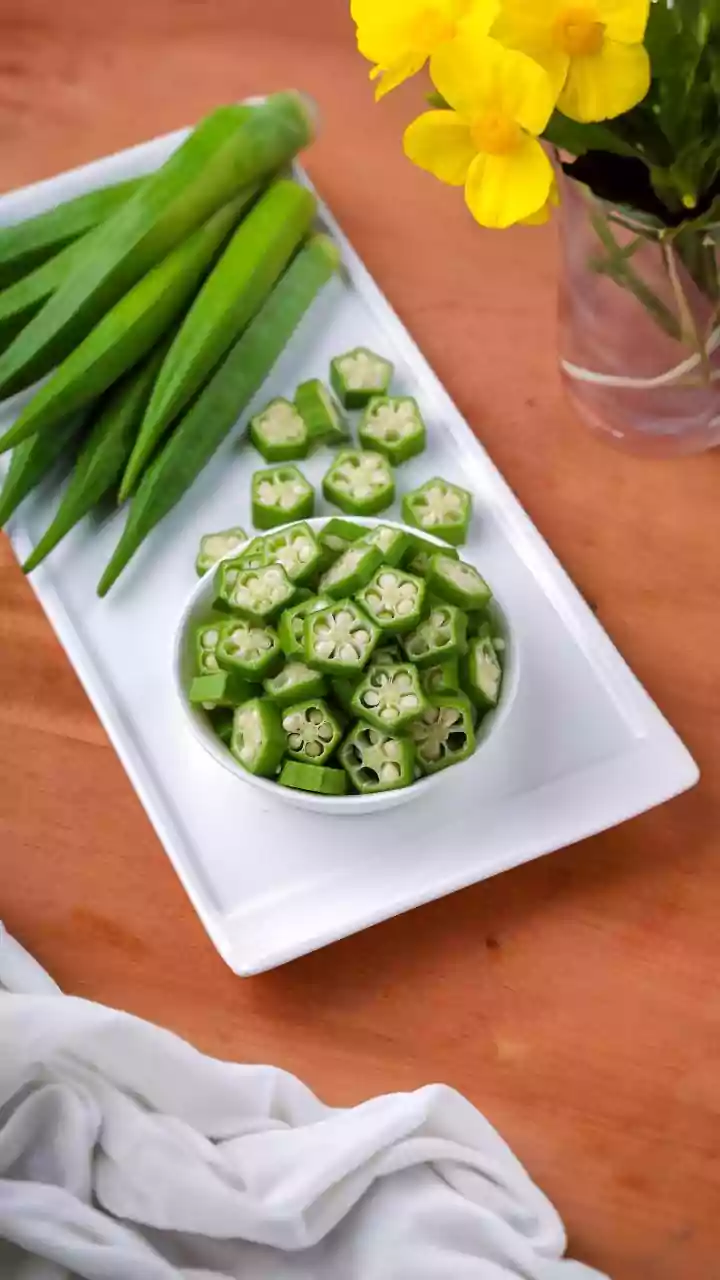
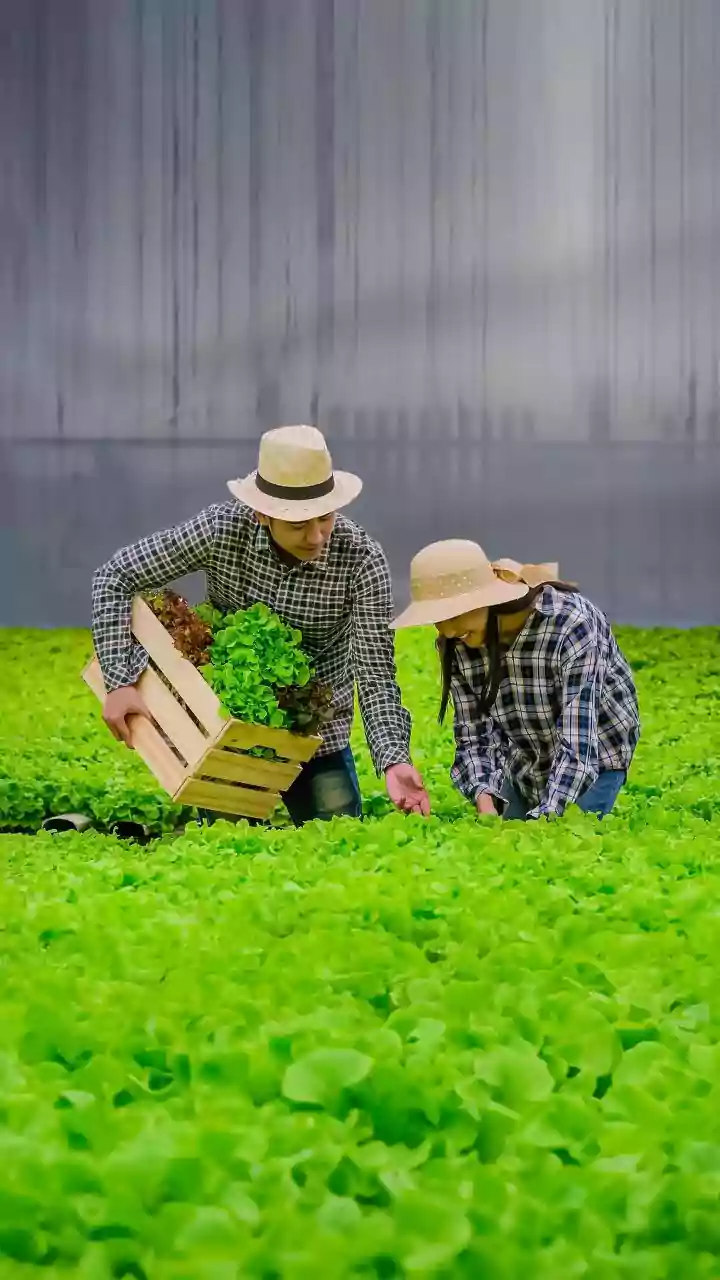
So, why this color, and why now? The trend isn't just about aesthetics; it’s rooted in psychology. Green is consistently associated with nature, tranquility, and wellbeing. After several years of collective stress and screen fatigue, there’s a powerful cultural pull towards anything that feels grounding and restorative. This specific matcha-like shade hits a sweet spot. It’s vibrant enough to feel optimistic and alive—that “summer energy”—but muted enough to feel serene and safe. It evokes a farmer’s market haul or a walk in a misty forest, creating an atmosphere that feels like a gentle exhale. By choosing this palette, restaurateurs are tapping into a shared desire for spaces that offer respite and a connection to the natural world, even in the middle of a bustling city. It’s a design choice that signals comfort without sacrificing an ounce of style.
The Perfect Canvas for Food
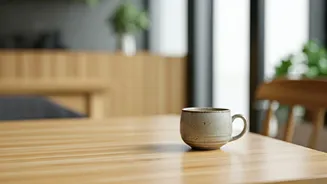
For decades, the logic was simple: a plain white plate is a blank canvas that makes the food the star. While true, chefs and stylists are discovering that the right color can actually enhance a dish. Stark white can sometimes create a harsh, high-contrast glare, especially under a camera flash. A soft, matte green, however, does something magical. It provides a complementary backdrop that makes other colors pop. The pink of a seared tuna, the deep red of a beet, the bright orange of a carrot purée—they all appear richer and more vibrant against this earthy tone. In the age of Instagram, where diners often eat with their eyes (and their phones) first, a photogenic plate is a powerful marketing tool. This gentle green provides depth and a touch of warmth, making food look more appealing, more natural, and ultimately, more delicious, both in person and on screen.
From Restaurant to Residence
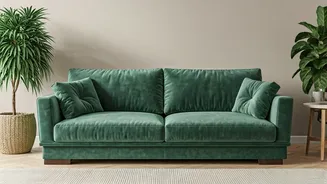
This wave of green isn’t contained within restaurant walls. It’s part of a much larger trend that has swept through interior design and home goods. Walk into any high-end home decor store and you’ll find sage green bedding, pistachio-colored kitchenware, and olive-toned accent chairs. The same psychological drivers—a search for calm, a connection to nature, a gentle form of optimism—are influencing how we decorate our own spaces. Restaurants often serve as incubators for design trends, introducing new ideas to the public in a beautiful, curated setting. When we have a positive experience in a space that feels good, we subconsciously want to bring a piece of that feeling home. The popularity of matcha green plates in restaurants is both a reflection of and a contributor to its broader desirability, cementing it as the color that perfectly captures the current mood.