

Beyond Just Beige: Defining the Aesthetic
First, let's clear up what warm minimalism is—and what it isn't. It’s not the cold, clinical, almost-empty gallery space that traditional minimalism can sometimes evoke. Instead, it’s a softer, more human-centric approach. Think of it as minimalism with
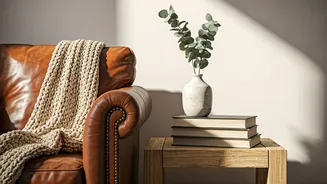
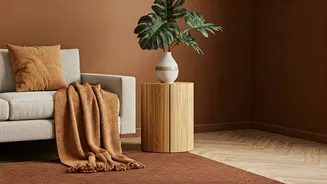
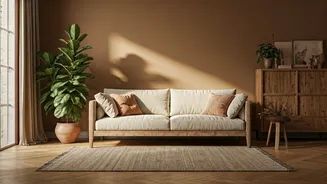
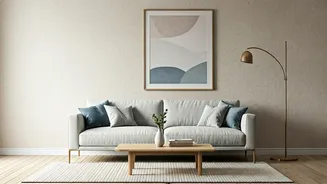
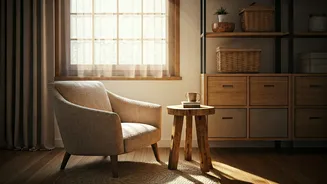
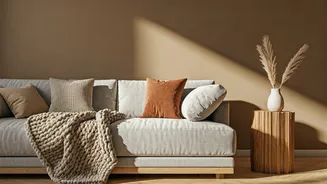
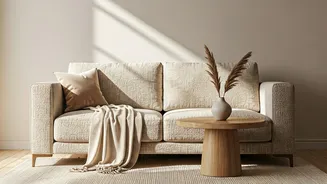
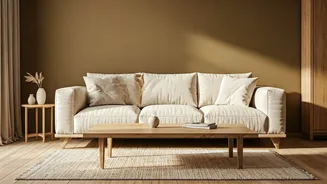
a soul. The foundation remains the same: declutter, keep what’s essential, and appreciate negative space. But the execution is all about comfort. The color palette shifts from stark whites and cool grays to a spectrum of warmer neutrals. Imagine creams, taupes, mushroom, and earthy terracotta. The focus then turns to texture. While a traditional minimalist room might feel smooth and uniform, a warm minimalist space is rich with tactile sensations: a nubby bouclé armchair, a chunky knit throw, a rough-hewn wooden coffee table, and soft linen curtains that filter light beautifully. It’s a style built on layers of natural materials—wood, stone, rattan, wool, and cotton—that create a sense of organic calm and connection to the outside world.
The Small-Space Secret Weapon
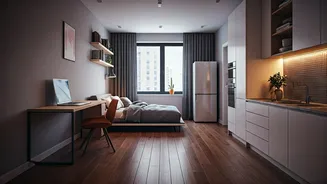
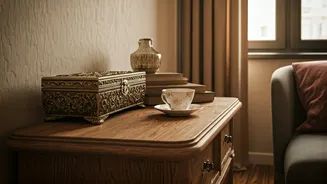
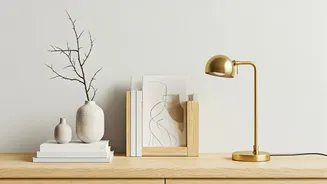
This aesthetic isn’t just beautiful; it's intensely practical, which is why it has become the go-to for apartment dwellers. Urban apartments are often short on square footage and natural light. Warm minimalism tackles these problems head-on. The minimalist principle of 'less is more' is crucial when every inch counts. By eliminating clutter and unnecessary furniture, the style inherently makes a small room feel larger and more breathable. The warm, light-toned color palette works wonders for amplifying light. Unlike stark white, which can feel sterile under artificial lighting, warm neutrals create a welcoming glow and prevent the space from feeling like a box. Furthermore, the emphasis on curated, meaningful objects means you can have a personal, character-filled home without it looking crowded. Instead of ten generic decor items, you have one or two special pieces—a handcrafted ceramic vase, a vintage lamp—that draw the eye and tell a story. This approach transforms a small rental into a personalized sanctuary.
A Sanctuary from Modern Chaos
The rise of warm minimalism also speaks to a deeper cultural shift. In an age of digital saturation and constant connectivity, our homes have become more important than ever as places of refuge. We don't just want a place to sleep; we want a place to unplug, recharge, and feel grounded. The starkness of old-school minimalism can feel unforgiving, another set of rigid rules to follow. Warm minimalism offers an alternative: a calm, ordered environment that doesn’t sacrifice comfort or personality. It’s a direct response to the desire for authenticity. The focus on natural materials and handcrafted items pushes back against mass-produced, disposable culture. It encourages a more mindful approach to consumption—investing in fewer, better things that you truly love and will keep for years. This philosophy resonates deeply with those looking to build a more sustainable and intentional life, making their home a physical manifestation of those values.
Putting 'Warm' into Practice
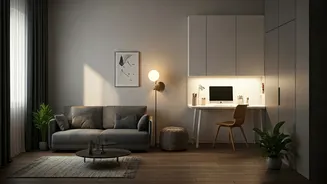
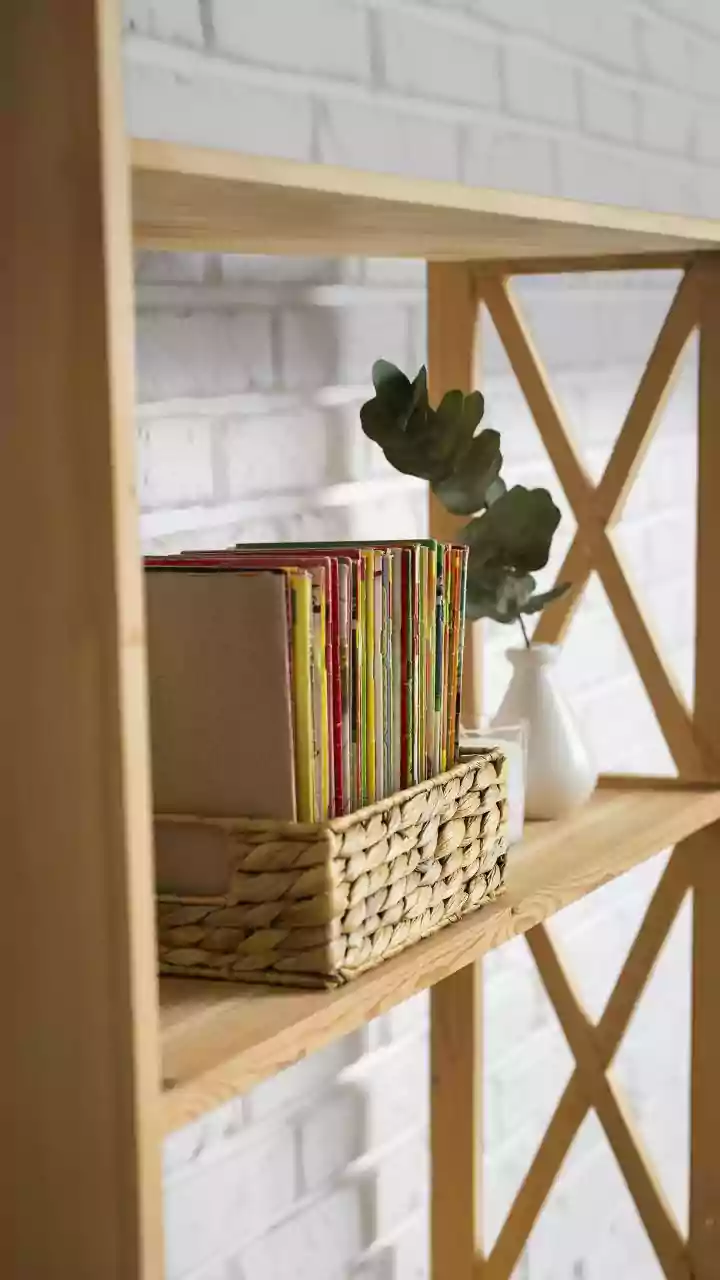
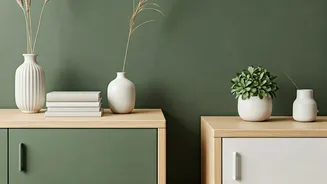
Adopting this style doesn’t require a gut renovation. It's about strategic additions and edits. Start by decluttering with the classic 'does this bring me joy?' mentality. Next, focus on textiles. Swap out synthetic fabrics for natural ones like linen, cotton, or wool. A simple jute rug can instantly ground a room, and a soft, oversized throw blanket can make a sterile sofa feel inviting. Pay attention to lighting. Ditch harsh overhead fixtures for multiple, lower-level sources of light, like floor lamps and table lamps with warm-toned bulbs, to create a cozy, layered ambiance. Finally, bring in nature. A few well-placed plants or a vase with dried branches adds life and organic shape to a room, completing the look without adding clutter.