
The Post-Pandemic Kitchen Burnout
For a while there, our kitchens became laboratories. Fueled by lockdown boredom and Instagram envy, we embraced the multi-day baking project, the obscure fermentation jar, and the kind of cooking that required a spreadsheet. It was a moment of culinary
exploration, but it was also, frankly, exhausting. Now, on the other side of that frenzy, a collective fatigue has set in. The novelty of the ‘project meal’ has worn off, replaced by the relentless reality of busy schedules, weeknight logistics, and the simple desire for a delicious dinner that doesn't demand three days of our lives. This isn’t a failure; it's a recalibration. We’ve realized that performative cooking—making food for the ‘gram—is less fulfilling than practical cooking that actually nourishes us and saves our sanity. The pressure to constantly innovate has given way to a search for reliability. We’re no longer asking, “What’s the most impressive thing I can make?” but rather, “What’s the most delicious and comforting thing I can get on the table in 30 minutes?” This shift has created the perfect opening for a new kitchen hero.
An Answer to Economic Anxiety
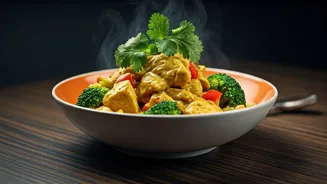
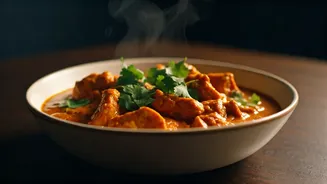
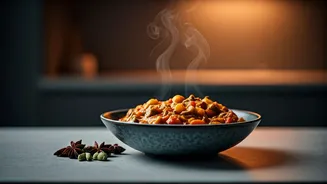
Let’s not ignore the elephant in the grocery aisle: everything is more expensive. That ambitious recipe calling for saffron threads, wild-foraged mushrooms, and a specific cut of dry-aged beef feels less like an adventure and more like a financial liability. A single failed experiment can feel like setting a $50 bill on fire. In this economic climate, home cooks are becoming more risk-averse, prioritizing meals that offer the best return on investment. A quick curry is the undisputed champion of flavor economics. Its architecture is brilliant. You can build a world of flavor from a few powerful, shelf-stable ingredients: a can of coconut milk, a jar of curry paste, a scoop of peanut butter, a splash of fish sauce. It’s a flexible format, perfectly designed to use up whatever vegetables are wilting in the crisper drawer or that last bit of chicken or tofu. It delivers a deeply complex and satisfying meal without requiring a cart full of expensive, single-use ingredients. In short, it’s a low-risk, high-reward proposition that feels smart and resourceful.
The Power of Pantry Shortcuts
The secret to the quick curry’s success lies in its embrace of the shortcut. Unlike French or Italian cooking, where building flavor often means long, slow reductions or painstaking techniques, many curry traditions are built around potent pastes and spice blends. A high-quality store-bought Thai curry paste, for instance, isn’t a cheat; it’s a complex flavor bomb, a symphony of lemongrass, galangal, chiles, and spices that would take hours to replicate from scratch. This is where modern American cooking is getting smarter. We are shedding the culinary purism that once shamed us for using a bouillon cube or a jarred sauce. We now understand that these are tools, not crutches. A quick curry demonstrates this perfectly. By starting with a powerful flavor base, the cook is freed up to focus on the fresh components. The process is simple: bloom the paste in a little fat, add coconut milk, toss in protein and veggies, and simmer. It’s a formula that delivers restaurant-quality depth of flavor with weeknight-level effort. It’s not lazy; it’s efficient.
A New Kind of Culinary Confidence
Perhaps the most significant reason for the curry’s ascent is what it says about the evolution of the American palate. A generation ago, making a curry at home might have been seen as a niche, adventurous project. It required a trip to a specialty grocery store and a leap of faith. Today, coconut milk and Sriracha sit next to the ketchup and olive oil in countless pantries. Gochujang and harissa are becoming household names. The turn towards quick curries isn’t a retreat from adventurous eating; it’s a sign that our definition of a baseline meal has expanded. It reflects a newfound confidence and fluency with global flavors. Being able to ‘whip up a curry’ on a Tuesday night signifies a level of comfort that goes beyond simply ordering takeout. It shows that these flavor profiles—once considered ‘exotic’—have been fully integrated into our home cooking vocabulary. We aren't just experimenting anymore; we're living it, casually and deliciously, every single week.