




What Exactly Is Yuzu?
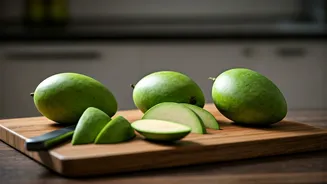
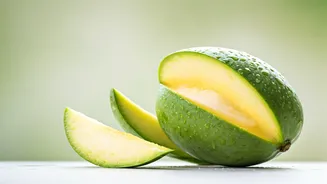
First, let's get the basics down. Yuzu is a citrus fruit believed to be a hybrid of the mandarin orange and the Ichang papeda, a hardy, lemon-like citrus. Native to China but most closely associated with Japanese and Korean cuisine, it looks like a small,
bumpy grapefruit with a thick rind that can be either yellow or green depending on ripeness. Unlike a navel orange or a grapefruit, yuzu isn't typically peeled and eaten as a snack. It's not particularly juicy, and its flesh is full of large seeds. The magic of the yuzu lies almost entirely in its aromatic rind and its intensely flavorful juice. For centuries, it has been a cornerstone ingredient in Japanese cooking, most famously in ponzu sauce, a tangy soy-based condiment, and yuzu kosho, a fermented paste of yuzu zest, chili, and salt.
A Flavor That's Hard to Pin Down
Describing the taste of yuzu is a challenge because it’s so distinct. If lemon is a straightforward high-C note and lime is a sharp F-sharp, yuzu is a complex chord. The most common comparison is a cross between a tart grapefruit and a sweet mandarin orange, but that doesn't fully capture its essence. What sets it apart is a powerful, unmistakable floral and herbal aroma that hits you before you even taste it. It has the acidity you expect from citrus, but it's less sharp and more nuanced than a lemon. This complexity is its superpower. It can brighten a dish without overpowering it, adding a layer of sophisticated fragrance that makes you stop and ask, “What is that amazing flavor?” It’s this multi-layered profile that has made chefs and bartenders fall head over heels for it.
From Niche Ingredient to Mainstream Star
So why are we seeing yuzu everywhere right now? For years, it was a secret weapon in the arsenals of high-end chefs, who used its juice and zest to add an exotic, bright finish to seafood, desserts, and sauces. Its rarity in the United States—fresh yuzu is difficult to import due to agricultural restrictions—only added to its mystique. But as with many food trends, what starts in fine dining eventually trickles down. Bartenders discovered that a splash of yuzu juice could elevate a simple gin and tonic or margarita into something special. Food manufacturers, always on the hunt for the next big thing, began incorporating it into everything from seltzers and energy drinks to salad dressings and mayonnaise. This wave of accessibility means you no longer have to book a reservation at a Michelin-starred restaurant to experience it. You might find it in the condiment aisle of your local grocery store.
How to Bring Yuzu into Your Kitchen
Ready to experiment? Don’t worry about tracking down the elusive fresh fruit. The best way to start is with bottled yuzu juice. It's 100% juice, incredibly potent, and widely available online or at Asian markets. A little goes a long way. Try adding a teaspoon to a simple vinaigrette for a major upgrade. A few drops can transform a basic fish or chicken marinade. For cocktails, use it in place of lime or lemon juice for a complex twist on a classic. Another fantastic entry point is yuzu kosho. This spicy, salty, citrusy paste is a flavor bomb. A tiny dab on grilled steak, stirred into noodle soup, or mixed into butter for roasted vegetables provides an instant kick of umami and brightness. These products offer all the unique flavor of yuzu in a convenient, shelf-stable format, making it easy to see what all the fuss is about.