




The Rise of the Pluviophile Aesthetic
For generations, the travel industry has sold a singular dream: pristine white sands and cloudless blue skies. Anything less was a disappointment, a trip ruined by “bad” weather. But for a growing number of younger travelers, particularly Millennials
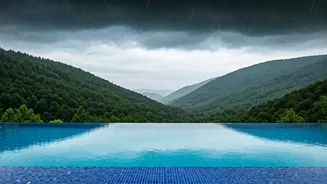
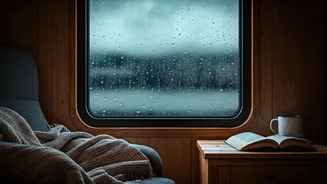
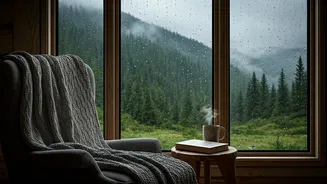
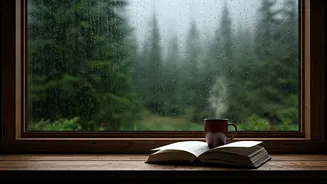
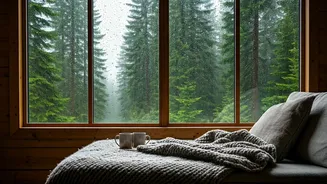
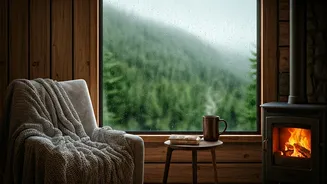
and Gen Z, the script has flipped. They aren’t just tolerating rain; they’re actively seeking it. On platforms like TikTok and Instagram, the #RainyDayVibes aesthetic is king. It’s a world of misty forests, steam-filled coffee mugs, big-windowed cabins, and the quiet introspection that a downpour seems to encourage. This isn’t about a ruined holiday. It’s about chasing a specific mood—what’s been dubbed “cozy-core” or the pluviophile (lover of rain) lifestyle. It’s a deliberate turn away from the high-pressure, FOMO-inducing performance of a “perfect” sunny vacation and toward something more atmospheric, authentic, and emotionally resonant.
Drama, Not Danger
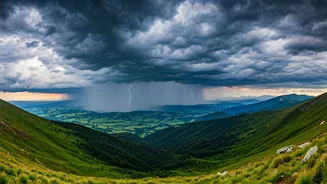
Here’s the crucial distinction: these travelers want the drama of a storm, not the actual danger. They’re looking for cinematic, moody weather, not a climate emergency. The goal is to watch a tempest from the comfort of a boutique hotel with a well-stocked bar, not to be stranded by a mudslide or have a flight canceled by a hurricane. This is a curated experience. It’s the difference between booking a trip to Seattle in November, where drizzle is a reliable part of the city’s charm and infrastructure is built for it, and heading into a region during a known tropical storm season. The appeal lies in the feeling of being sheltered and safe *while* the weather performs outside. It’s the ultimate cozy fantasy: the world can be wild and dramatic, but inside, you have a fireplace, a good book, and high-speed Wi-Fi. The “landslide stress” is precisely what’s being edited out of this travel fantasy.
The Perfect “Cozy-Core” Itinerary
So what does a vacation designed around potential rain actually look like? It’s less about the specific activities and more about the setting. The itinerary prioritizes atmosphere over action. Accommodations are key—think a cabin in the woods with a covered porch, a historic inn with a grand library, or a city apartment with huge windows overlooking the street. Activities are often indoors-adjacent and built for flexibility. You might plan a morning hike with the full expectation that it could be replaced by a long, leisurely brunch at a trendy café. Museums, bookstores, independent cinemas, and breweries become primary destinations, not just rainy-day backups. The packing list changes, too. Out are the sundresses and sandals; in are chunky sweaters, waterproof boots, a stylish raincoat, and more books than you could possibly read. It’s a vacation built on permission to slow down, disconnect from obligation, and simply be.
Where to Find the Perfect Storm (Safely)
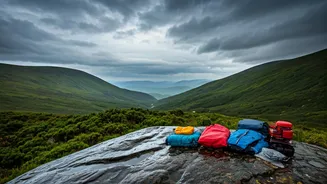
For those looking to embrace the aesthetic, certain destinations deliver the moody goods without the high-stakes risk. The Pacific Northwest is the undisputed U.S. champion. Cities like Portland and Seattle, along with the entire Oregon coast, offer world-class coffee, food, and culture against a reliably gray and misty backdrop for much of the year. Overseas, Scotland and Ireland are prime candidates. Their landscapes—craggy coasts, rolling green hills, ancient castles—seem made for a dramatic downpour, and their pub culture provides the perfect shelter. Even traditionally sunny destinations can be reframed. Visiting Costa Rica in the “green season” (May to November) means afternoon showers that bring the rainforest to life with a vibrant intensity, followed by clear evenings. The key is choosing places where rain is a predictable feature, not a catastrophic bug, and where the local culture has long since perfected the art of staying cozy.