



First, What Is a Wellness Space?
Forget the idea that this is just another term for a home gym or a lavish spa bathroom. A wellness space is any area in your home intentionally designed to support your mental, physical, or emotional well-being. It’s less about a specific set of furniture
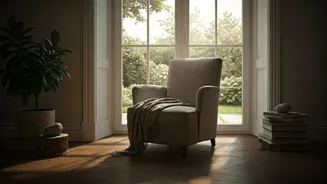
and more about carving out a dedicated zone for restoration and calm. This can be as simple as a comfortable chair by a window designated for morning meditation, a corner filled with plants for a dose of nature, or a nook specifically for reading without digital distractions. The concept has surged in popularity as Americans seek to create sanctuaries from the pressures of the outside world. It’s a direct response to our increasingly blurred lines between work and home life, offering a way to reclaim a part of our personal environment for pure, restorative purpose.
The Decompression Zone
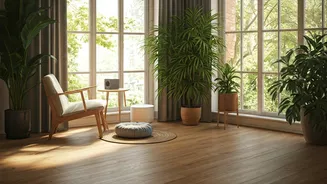
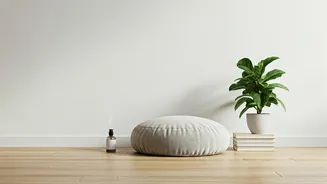
This is perhaps the most essential type of wellness space. It’s an area built for quiet contemplation and stress reduction. You don't need a whole room; a small corner will do. Start with a comfortable cushion, a soft rug, or a simple armchair. The goal is to create a spot that signals your brain it's time to slow down. Keep it clutter-free. Consider adding elements that engage the senses in a soothing way: a diffuser with calming essential oils like lavender or chamomile, a small water feature for gentle sound, or a weighted blanket for a feeling of security. This space is perfect for meditation, deep breathing exercises, or simply sitting in silence for five minutes to gather your thoughts before starting your day or winding down at night. The key is consistency—making it a place you return to for peace.
The Tech-Free Reading Nook
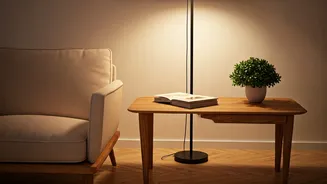
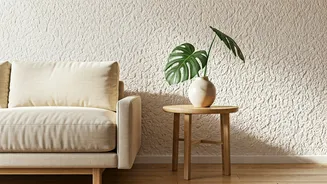
In a world dominated by screens, creating a deliberately analog space is a radical act of self-care. A tech-free nook is a haven for your mind, encouraging deep focus and imagination without the constant pull of notifications. Find a spot with good natural light and place a comfortable chair and an ottoman. Add a small side table for a cup of tea and a focused reading lamp for the evenings. The most important rule is the absence of technology. This isn't the place to scroll through your phone or have a laptop nearby. Stock the area with books, magazines, or journals. This isn’t just about reading; it’s about creating a ritual around unplugging. By physically separating yourself from your devices, you give your brain a much-needed break from the endless stream of digital information, which can lower anxiety and improve sleep quality.
Biophilic Sanctuaries: Bringing Nature In
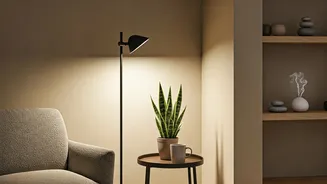
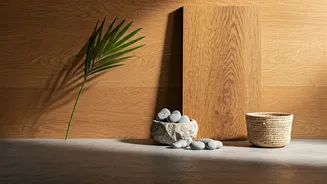
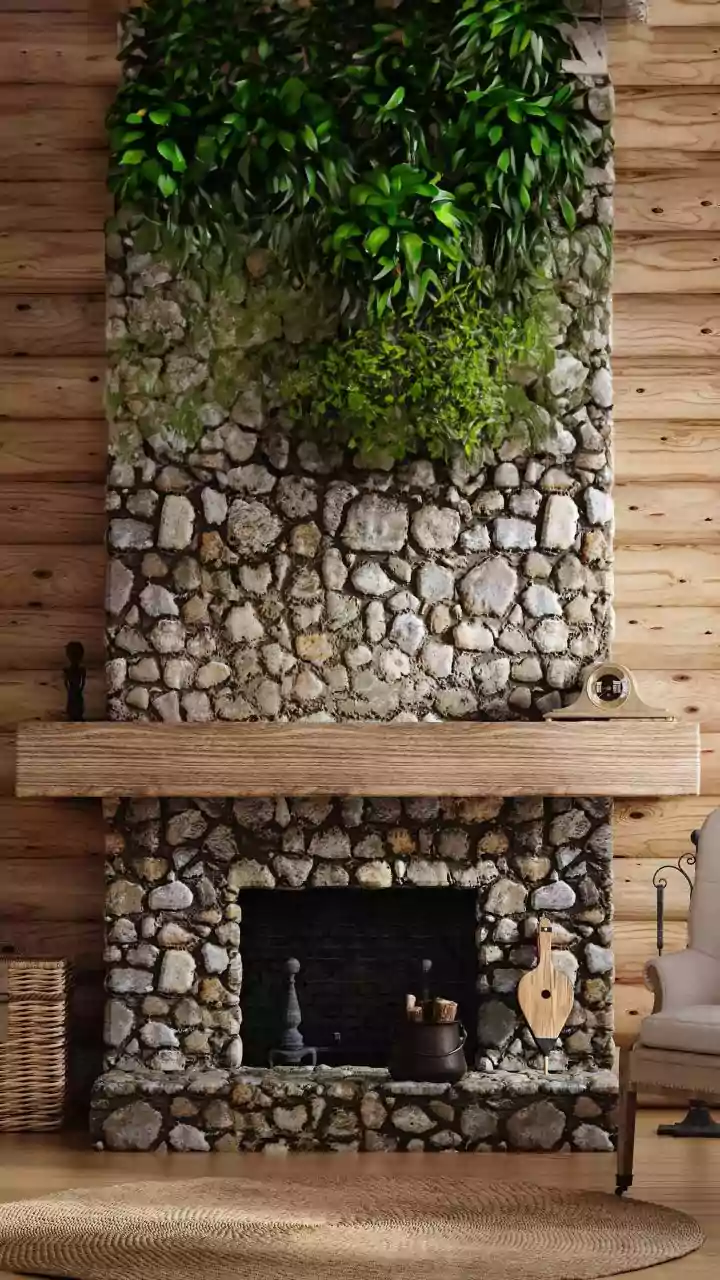
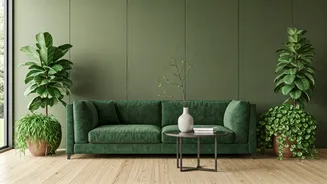
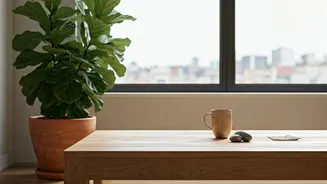
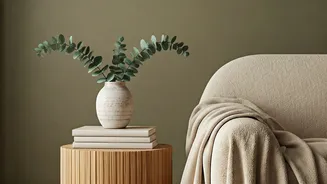
Biophilia is the idea that humans have an innate connection to nature. A biophilic wellness space leverages this by incorporating natural elements into your home to reduce stress and improve air quality. This is one ofr the easiest wellness concepts to implement. Start by adding plants—lots of them. Choose varieties that are easy to care for, like snake plants, ZZ plants, or pothos. Group them together to create a lush, green corner. Beyond plants, consider using natural materials like wood, stone, rattan, or wool in your decor. Maximize natural light by keeping windows unobstructed. If you have a view of trees or a garden, arrange your furniture to take advantage of it. Even a small collection of natural treasures—like stones, shells, or a bowl of pinecones—can evoke a sense of the outdoors and ground you in the present moment.
The Reimagined Home Gym
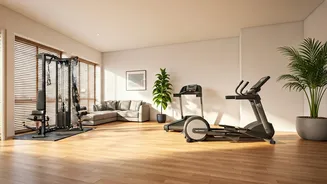
The modern wellness-focused home gym is less about bulky machinery and more about mindful movement. Instead of a treadmill facing a blank wall, think about a space that inspires you to move your body. If you have a spare room, great. If not, a designated section of a living room or basement works just as well. Use a large, high-quality yoga mat as the foundation. Add a full-length mirror not for critique, but for checking your form. Incorporate versatile equipment like resistance bands, kettlebells, and a foam roller. Good storage is crucial to keep the space feeling open and uncluttered—use wall hooks for bands and a stylish basket for weights. Most importantly, ensure the area has good ventilation and, if possible, a connection to the outdoors, even if it's just a window you can open. This creates an environment where exercise feels less like a chore and more like a revitalizing practice.