


From Pit Stop to The Entire Point
For decades, the American vacation followed a familiar script: you’d pick a city or a national park, find a reasonably priced place to crash, and spend your days out exploring. The hotel was a utility—a basecamp for adventure, a place to recharge before
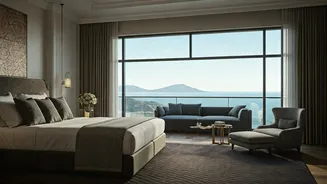
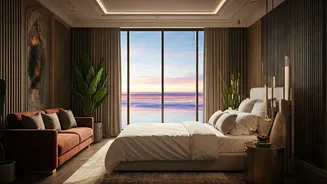
another day of sightseeing. But a fundamental shift is underway. For a growing number of travelers, the destination isn't a city; it's the hotel itself. The goal is no longer to see as much as possible, but to immerse yourself in a single, perfectly curated environment. This is the rise of the 'destination hotel,' a property so compelling that leaving its grounds feels like a missed opportunity, not a necessity.
More Than Just a Nice Pool
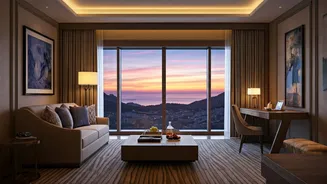
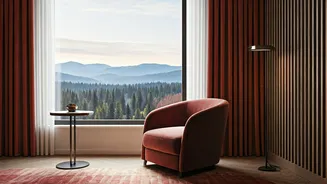
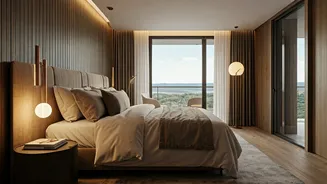
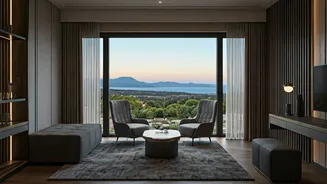
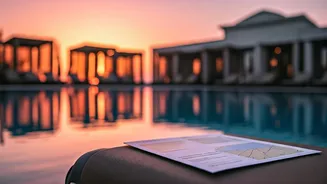
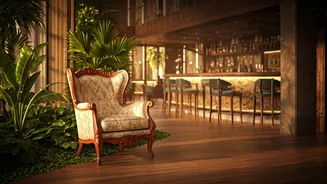
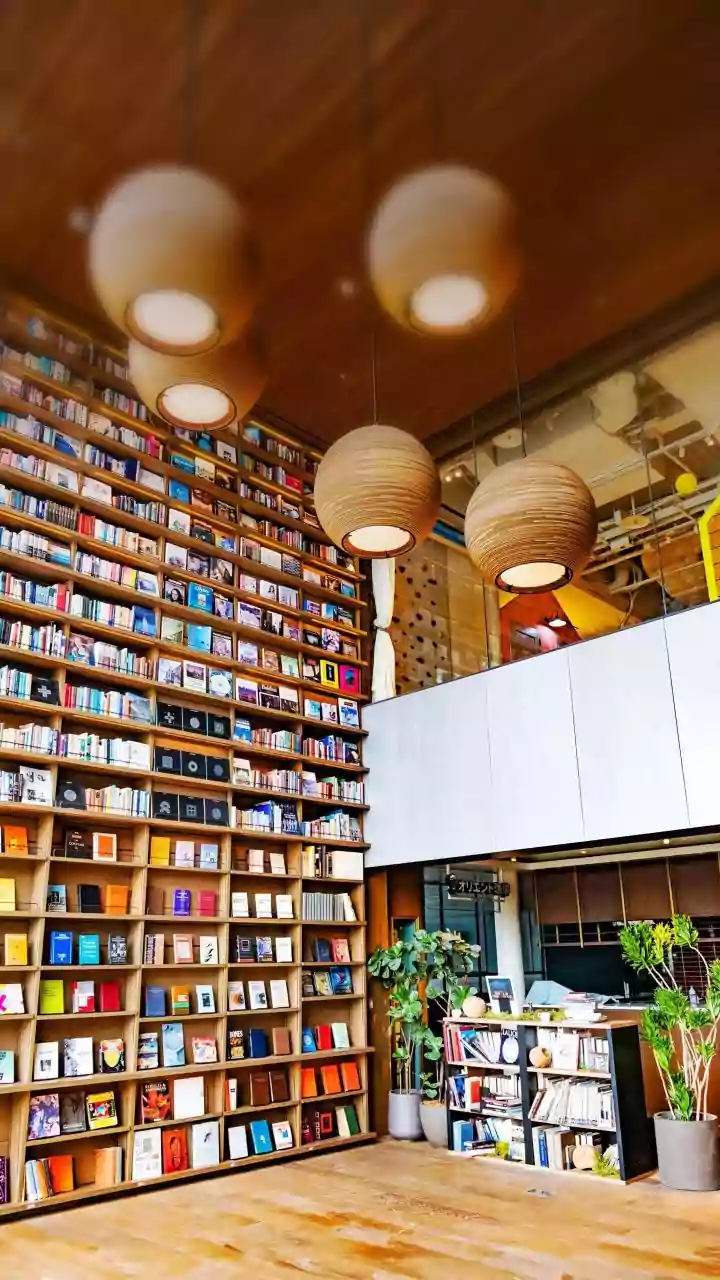
What makes a hotel a 'main character'? It’s about creating an all-encompassing universe. These properties aren't just offering a comfortable bed and a clean bathroom; they’re providing the entire vacation experience under one roof. Think beyond the standard infinity pool and fitness center. We’re talking about hotels with on-site Michelin-starred restaurants, sprawling wellness centers with multi-day retreat programming, and private movie theaters. They host workshops from pottery to mixology, offer guided nature walks on their own exclusive trails, and feature art collections that could rival a small museum. The aesthetic is paramount—every corner is meticulously designed to be 'Instagrammable,' turning the property itself into a visual landmark. The promise is simple: once you check in, you won't need—or want—to go anywhere else.
Why We're Choosing to Stay Put
This trend isn't happening in a vacuum. It’s a direct response to a collective sense of burnout. After years of hustle culture, compounded by the stresses of the pandemic, the appeal of a 'frictionless' vacation is stronger than ever. The mental load of planning a multi-stop trip—booking tours, making dinner reservations across town, navigating unfamiliar streets—is being replaced by the sheer ease of having everything you need just an elevator ride away. This is the appeal of the cruise ship, but on land, with better design and more sophisticated offerings. Social media also plays a huge role. When a hotel like the Amangiri in Utah or the Calamigos Ranch in Malibu becomes a celebrity-endorsed icon, the property itself transforms into a status symbol, a destination to be experienced and, crucially, to be posted about.
The Business of Keeping You On-Site
Hoteliers have, of course, leaned into this shift. It’s a brilliant business model. A guest who never leaves the property is a guest who eats at hotel restaurants, drinks at hotel bars, pays for hotel spa treatments, and books hotel-run activities. This captive audience is far more profitable than one that only pays for a room. This has fueled an 'amenities war,' where resorts and high-end hotels constantly one-up each other to offer more unique, exclusive experiences. They are no longer just in the business of lodging; they are in the business of entertainment, wellness, and cuisine. By becoming the main attraction, they capture 100% of their guests' vacation budget, not just a fraction of it.