


Beyond the Crowded Shoreline
For decades, the beach was the default escape. It promised relaxation, fun, and a classic sense of summer. But the post-pandemic travel boom has transformed many beloved coastal towns into a battle for parking spots, dinner reservations, and a sliver
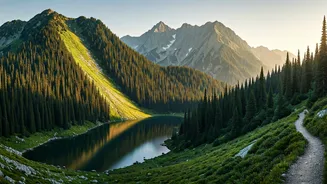
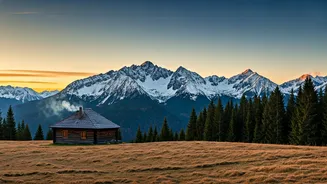
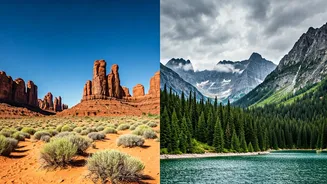
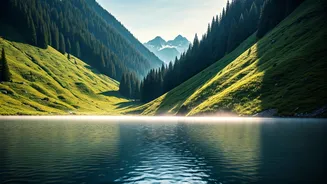
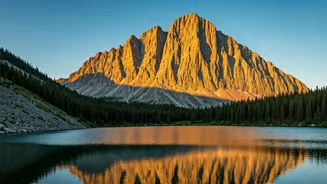
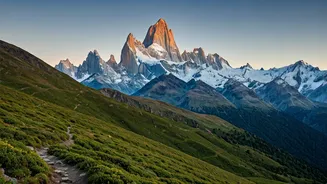
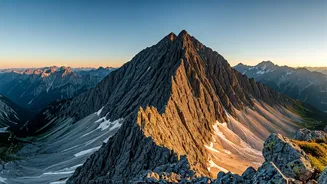
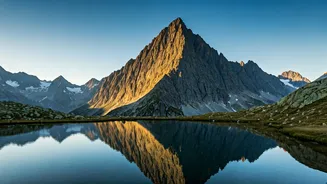
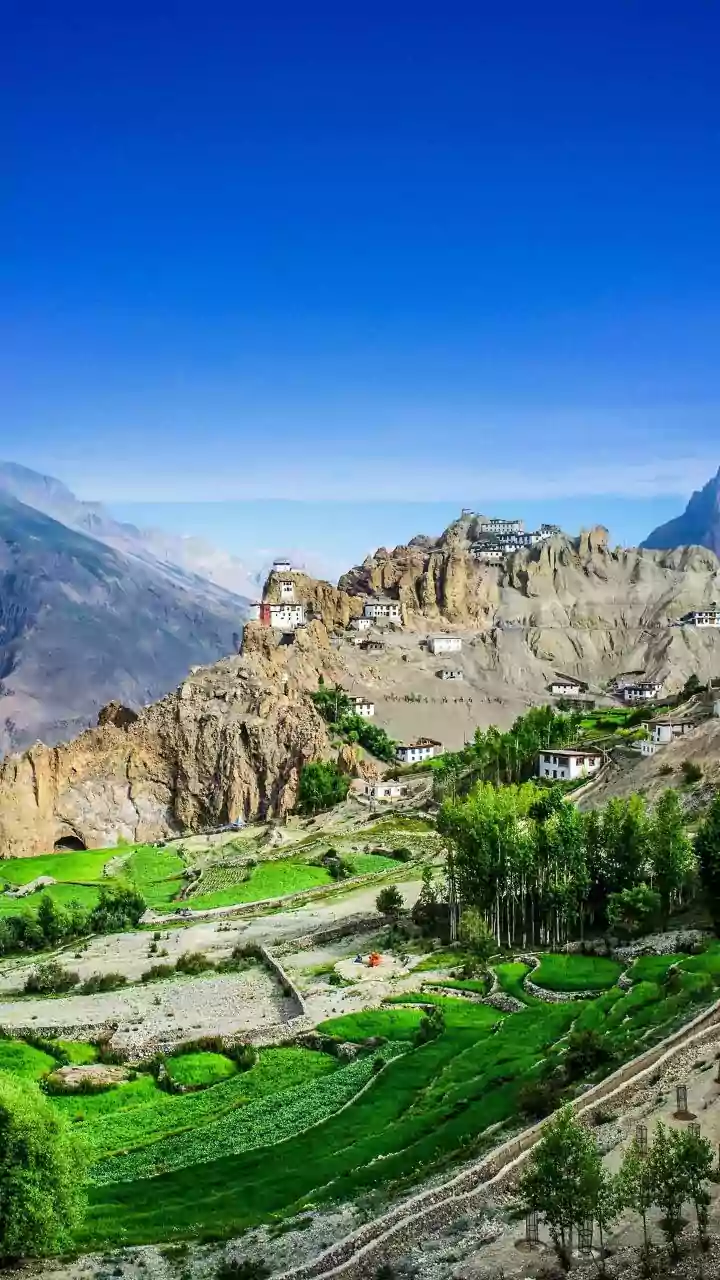
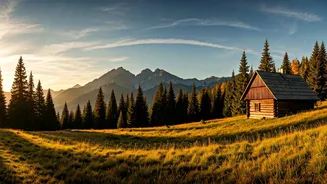
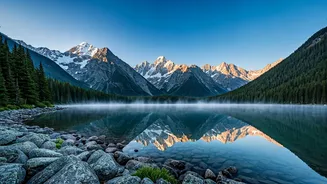
of sand. In response, a growing contingent of vacationers is looking inland and upward. The appeal of the mountains lies in what the beach often lacks: space. The promise of a quiet trail, a secluded cabin, or a small town without overwhelming crowds is a powerful draw for those seeking genuine decompression. Instead of the constant hum of a boardwalk, they're choosing the rustle of aspen leaves and the quiet grandeur of a mountain vista. This isn't just about avoiding people; it's about finding a different kind of peace, one that feels more restorative and less performative than the bustling beach scene can sometimes be.
The Climate Factor
It's impossible to ignore the role of our changing climate in this travel calculus. Record-breaking heatwaves are making scorching sand and humid coastal air less appealing, and at times, outright dangerous. While beach towns sizzle, mountain destinations offer a natural form of air conditioning. The simple physics of altitude means cooler days and crisp, comfortable nights, even in the height of July and August. Travelers are actively seeking refuge from extreme heat, and destinations in the Rockies, Appalachians, and Sierras provide a welcome respite. This practical consideration is becoming a primary driver in vacation planning. Why endure a sweltering week on the coast when you can hike a 75-degree trail and sleep with the windows open? The mountains present a climate-resilient alternative that is becoming harder for sun-fatigued travelers to resist.
An Active Approach to Relaxation
The definition of 'rest' is evolving. For many, lounging on a chair for seven straight days no longer feels rejuvenating. Modern wellness culture has redefined relaxation to include movement, mindfulness, and engagement with nature. Mountain vacations are perfectly aligned with this shift. They are inherently activity-based: hiking, mountain biking, kayaking on an alpine lake, fly-fishing in a cool stream, or simply taking a long walk through a forest. This active relaxation provides a sense of accomplishment and physical well-being that can be more fulfilling than a passive beach holiday. It's about returning from a trip feeling not just tanned, but genuinely refreshed and energized. The mountains offer a built-in itinerary of health and wellness, tapping into a deep-seated desire to disconnect from screens and reconnect with our bodies and the natural world.
The Year-Round Mountain Town
Mountain towns have also successfully rebranded themselves. Once seen primarily as winter ski destinations, they have invested heavily in becoming four-season attractions. Summer music festivals, farmers markets, outdoor concert series, and world-class food scenes have transformed places like Park City, Utah, and Stowe, Vermont, into year-round cultural hubs. This diversification means there’s as much to do in July as there is in January. You can spend the morning on a challenging hike and the evening enjoying a craft brewery or a fine dining meal. This blend of rugged nature and sophisticated comfort provides a compelling alternative to the often-monoculture of a beach resort. It offers variety, ensuring that a mountain trip can cater to different moods and interests within the same family or group, solidifying its status as a versatile and increasingly popular vacation choice.