






Welcome to São João
Every year on June 24th, the lush, rain-soaked villages of Goa erupt in a frenzy of color, music, and joyful abandon. This is São João, a festival honoring the birth of St. John the Baptist. But this is no solemn church affair. It’s a wonderfully chaotic,
distinctly Goan synthesis of Catholic tradition and local custom, where reverence is expressed through revelry. While the rest of India braces for the monsoon, Goans put on their flower crowns and dive in headfirst—sometimes literally. The festival’s motto, “Viva São João,” echoes through the streets, a call to embrace the life-giving rains and the sense of renewal they bring.
The Leap of Faith
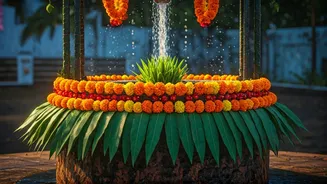
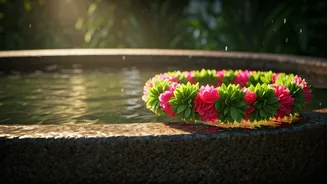
The most iconic, and perhaps startling, tradition of São João is the practice of jumping into wells, streams, and ponds. This isn’t just a random act of thrill-seeking; it’s rich with symbolism. The leap is meant to reenact St. John the Baptist’s leap of joy in his mother Elizabeth’s womb when she was visited by a pregnant Mary. For Goans, it’s an exuberant expression of faith and a baptismal plunge into the spirit of the monsoon. As local men and boys, often fortified by feni, a local cashew spirit, take the plunge, the community gathers around to sing and cheer. It’s a moment of collective catharsis, a washing away of the old and a welcome to the new season, all happening in the neighborhood well.
Crowning Glory in Bloom
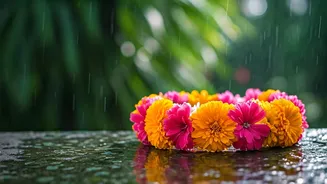
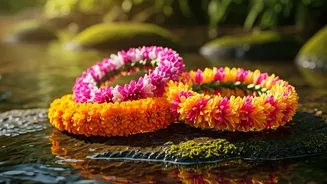
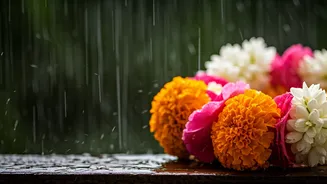
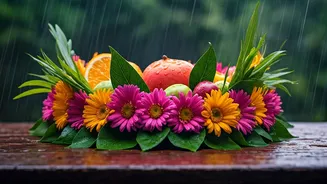
You can’t have São João without the kopel. These are elaborate crowns and headpieces, not of gold or jewels, but of something far more precious in the moment: fresh flowers, fruits, and leaves. Worn by men, women, and children, these vibrant creations are a tribute to the bounty of nature reawakened by the rains. Marigolds, jasmine, and other seasonal blooms are woven together, often with fresh fruits like tiny mangoes or jackfruit. Each kopel is a unique, ephemeral piece of art, a symbol of the festival’s deep connection to the earth. The sight of entire villages adorned in these fragrant crowns transforms the landscape into a walking garden party, a vivid spectacle against the grey monsoon skies.
A Steamed, Sweet Tradition
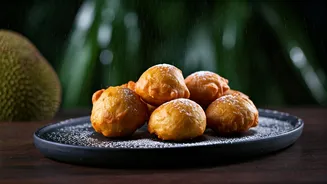
A festival in India is incomplete without a signature dish, and for São João, that dish is the patoleo. This is a treat perfectly designed for a rainy day. It consists of a delicate rice-flour paste filled with a sweet, aromatic mixture of freshly grated coconut and dark Goan jaggery (unrefined cane sugar), often spiced with a hint of cardamom. This filling is encased in the rice paste, which is then wrapped in a fresh turmeric leaf and steamed. The heat releases the subtle, earthy fragrance of the leaf, infusing the sweet dumpling inside. Unwrapping a warm patoleo is an experience for all the senses and provides the perfect, comforting fuel for a day of singing and celebrating in the rain.
The Sounds of the Monsoon Party
Underpinning the entire festival is a constant stream of music and merriment. The soundtrack is a lively mix of traditional Konkani songs played on the gumat, a unique clay drum with a monitor lizard skin membrane, alongside guitars and violins—a nod to Goa’s Portuguese colonial history. In some larger villages like Siolim, the celebration takes to the water with colorful, themed boat parades. But at its heart, São João is a hyper-local, community-driven event. It’s about neighbors sharing food, singing songs passed down through generations, and reaffirming bonds in the most joyous way imaginable, proving that sometimes, the best way to deal with a downpour is to dance in it.