


The Perfect Storm for Pathogens
That thick, soupy air that accompanies summer downpours and so-called “monsoon” seasons isn't just uncomfortable—it’s an open invitation for bacteria. Foodborne pathogens like Salmonella, E. coli, and Listeria thrive in warm, moist environments. High
humidity essentially creates a microscopic film of water on surfaces, including your fresh produce and kitchen counters, giving bacteria the perfect medium to multiply rapidly. A study by the U.S. Department of Agriculture found that the growth rate of bacteria can double with every few degrees of temperature increase, and humidity accelerates that process. Furthermore, heavy rains can lead to flooding, which may contaminate agricultural fields with runoff from animal farms, introducing pathogens to leafy greens and other vegetables long before they reach your kitchen.
High-Risk Foods to Watch
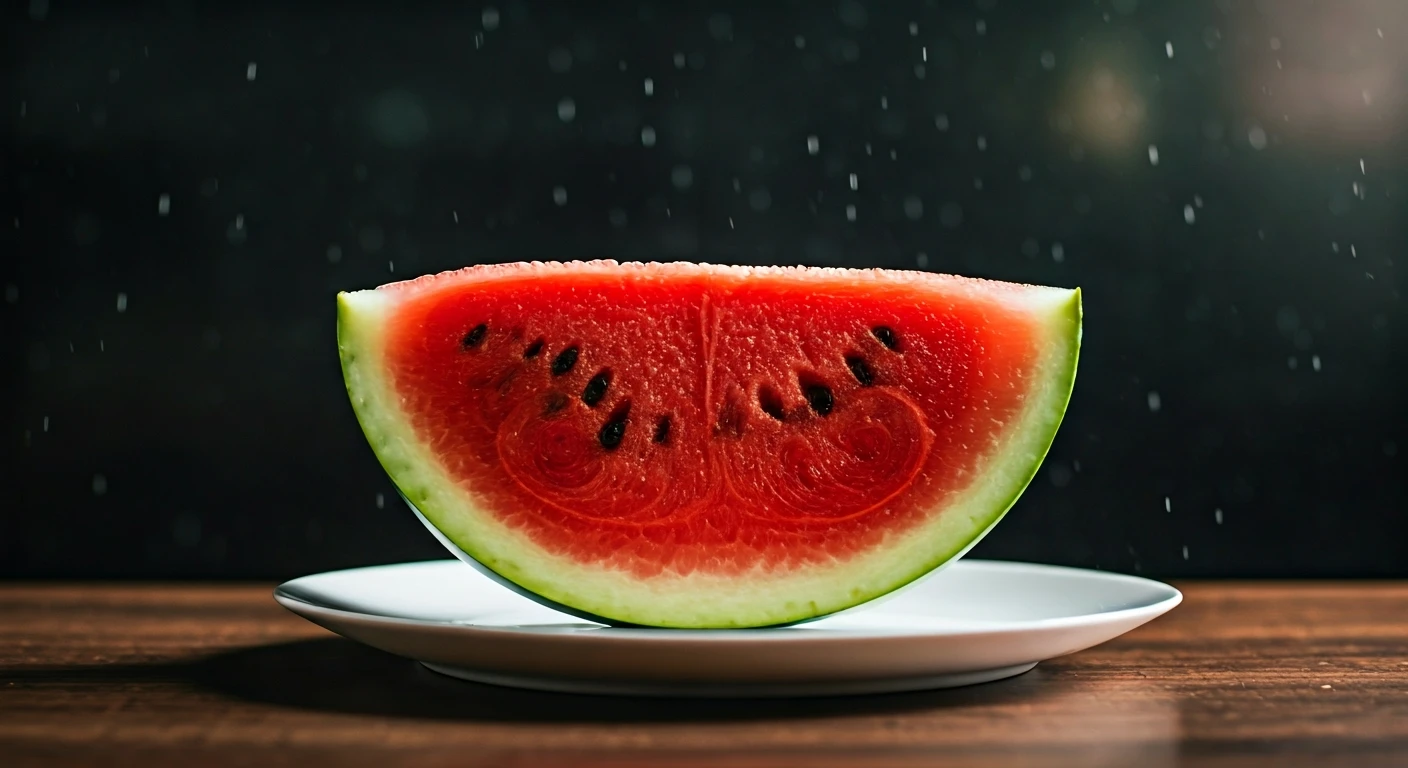
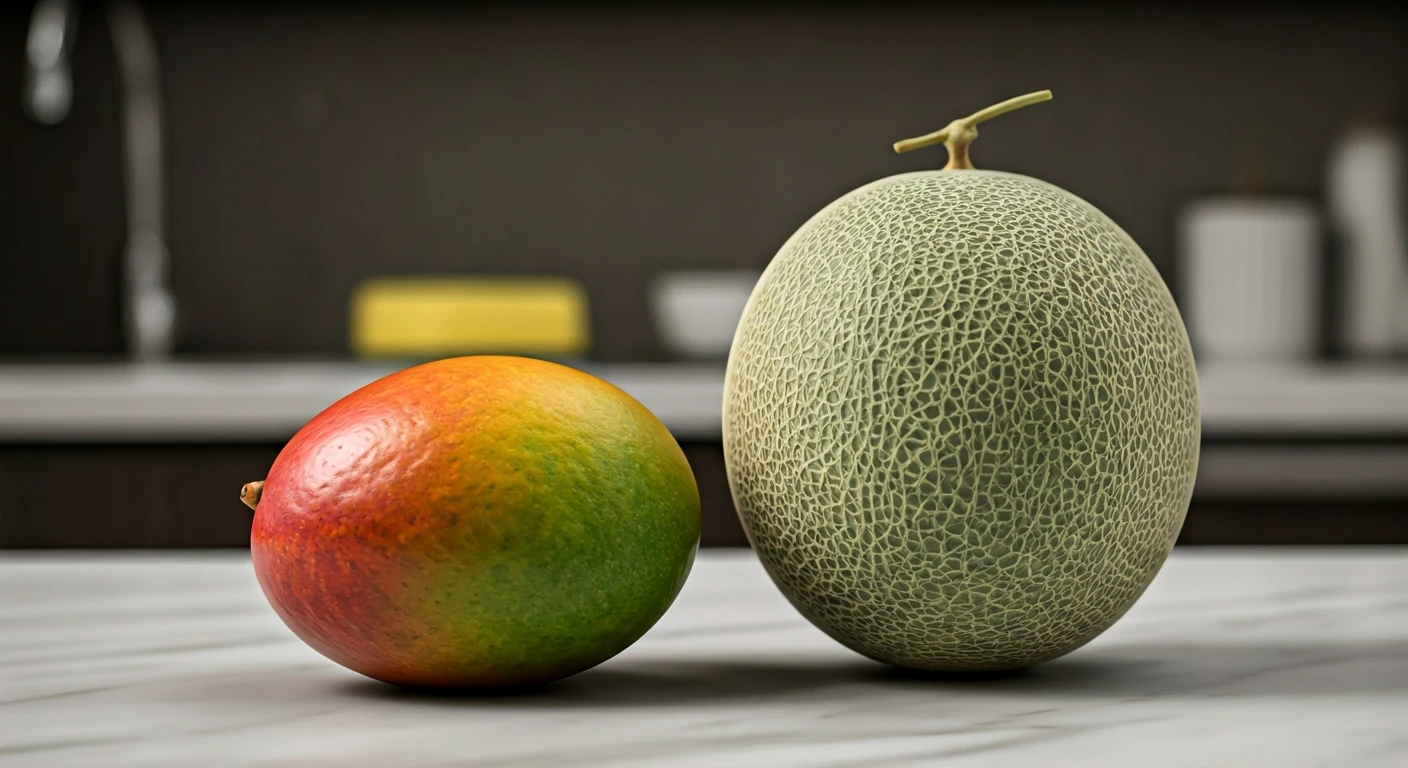
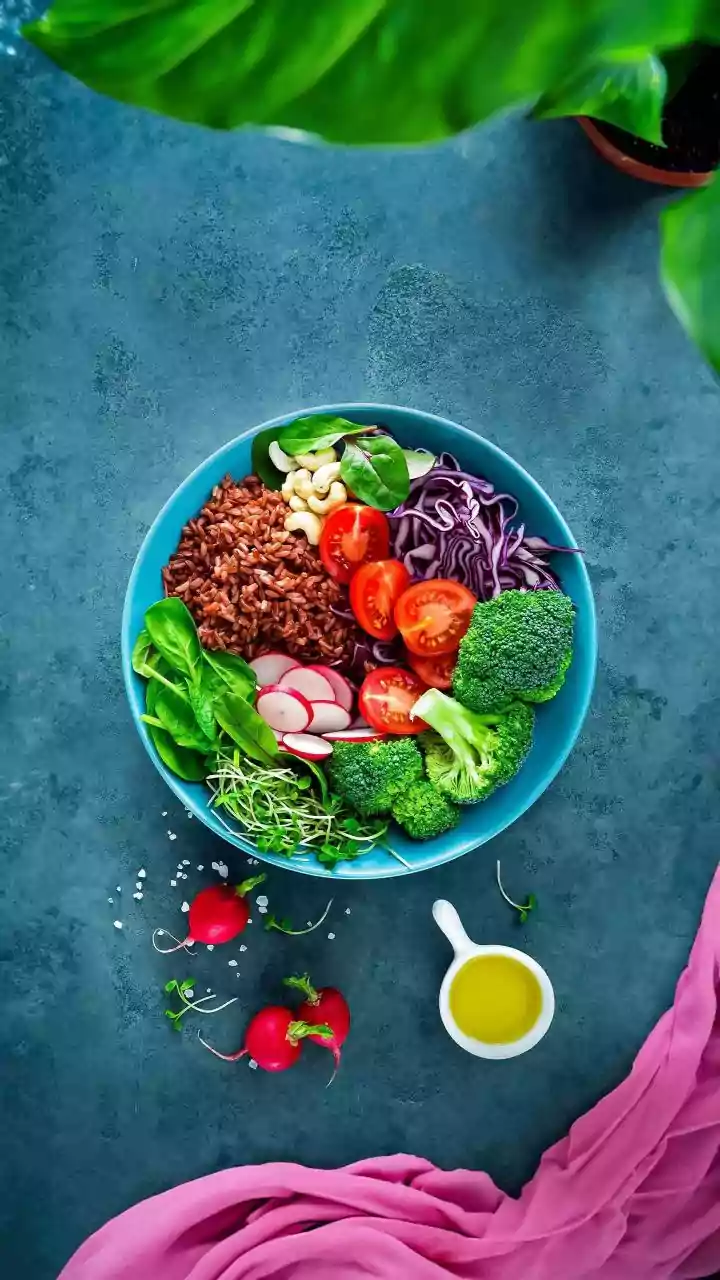
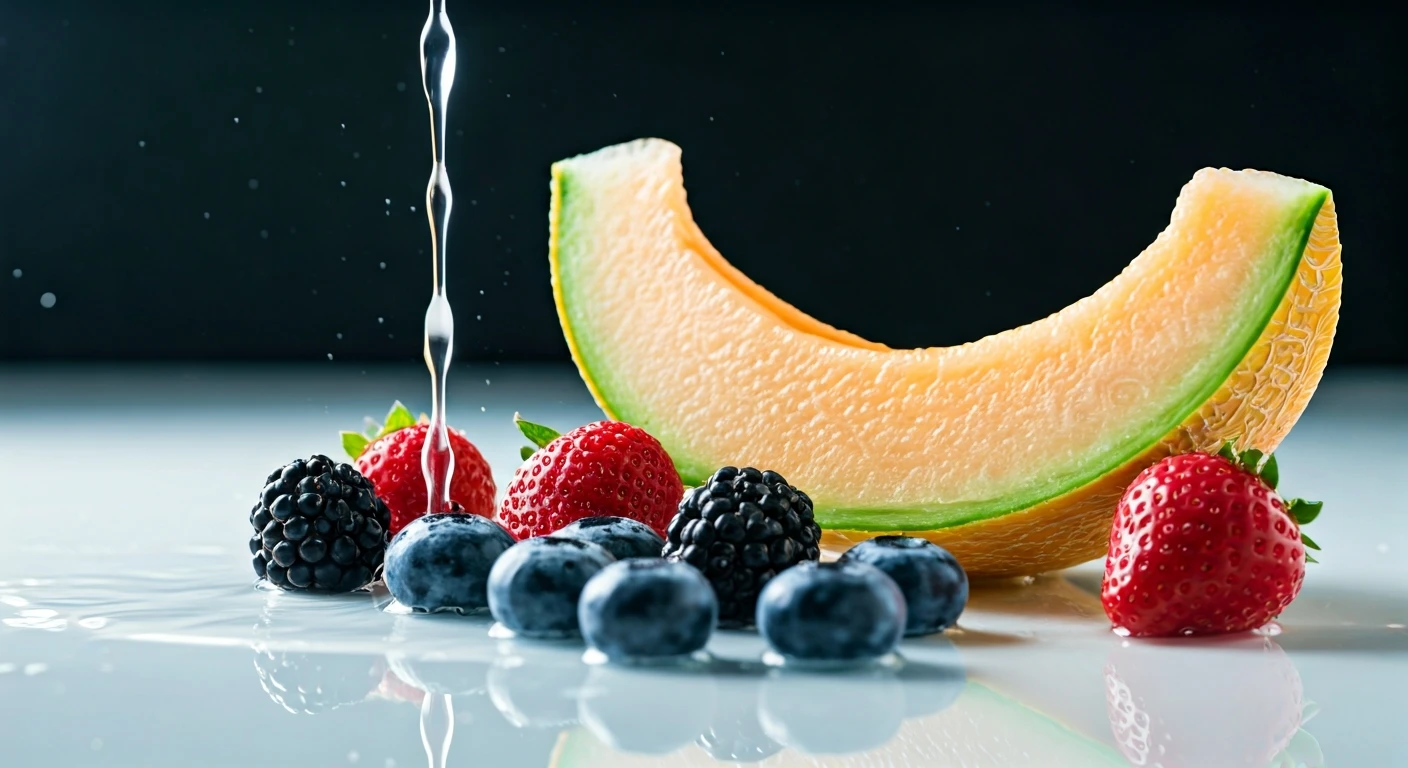
While cooking is a reliable way to kill harmful bacteria, raw foods offer no such safety net. During periods of high heat and humidity, certain items are particularly vulnerable. * **Leafy Greens and Sprouts:** Their complex, layered surfaces are difficult to clean thoroughly, providing countless hiding spots for bacteria. Sprouts are grown in warm, wet conditions that are also ideal for pathogen growth. * **Raw Seafood:** Oysters, clams, sushi, and ceviche are major culprits. Oysters are filter feeders, meaning they can concentrate bacteria and viruses from the water they live in. Warmer coastal waters, often a feature of summer, can lead to higher levels of Vibrio bacteria. * **Soft Berries and Melons:** Fruits like raspberries and strawberries have delicate, porous skins that can harbor bacteria. Pre-cut melons are also a risk, as the nutrient-rich flesh is a perfect food for microbes once the protective rind is broken. * **Unpasteurized Juices and Dairy:** Without the heat treatment of pasteurization, these products can carry any bacteria that was present on the raw produce or in the raw milk.
Smarter Shopping and Storage
Your first line of defense begins at the grocery store. When you're shopping, be extra vigilant. Avoid produce with bruises, mold, or signs of wilting, as these are entry points for bacteria. When buying pre-packaged salads or greens, check that the bag isn’t puffy and that the leaves look crisp, not slimy. For seafood, trust your nose; it should smell like the ocean, not fishy or ammoniated. Once you get your groceries home, the clock is ticking. Refrigerate perishable foods immediately. The “danger zone” for bacterial growth is between 40°F and 140°F. Your fridge should be set to 40°F or below. Separate raw meat and seafood from produce in your cart, in your grocery bags, and in your refrigerator to prevent cross-contamination.
Your Kitchen Safety Checklist
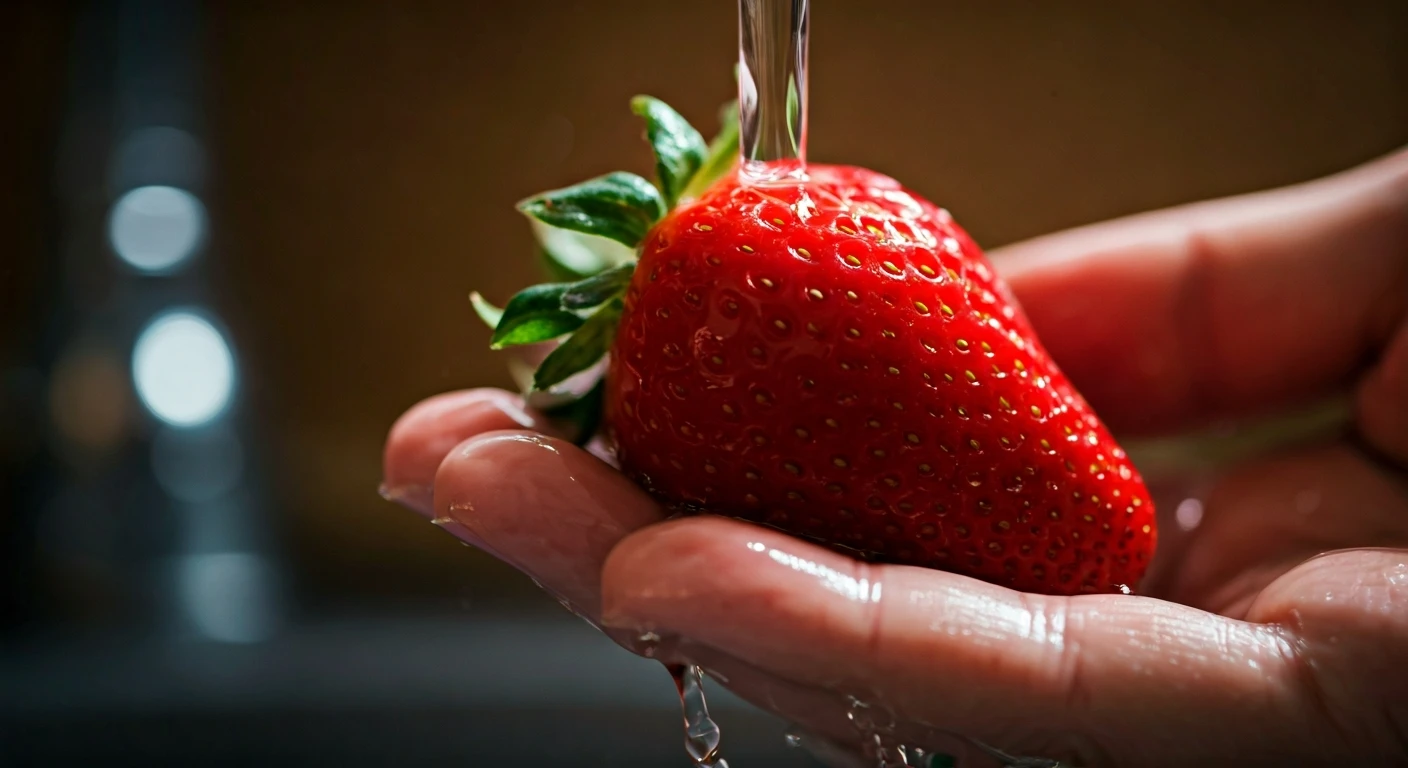
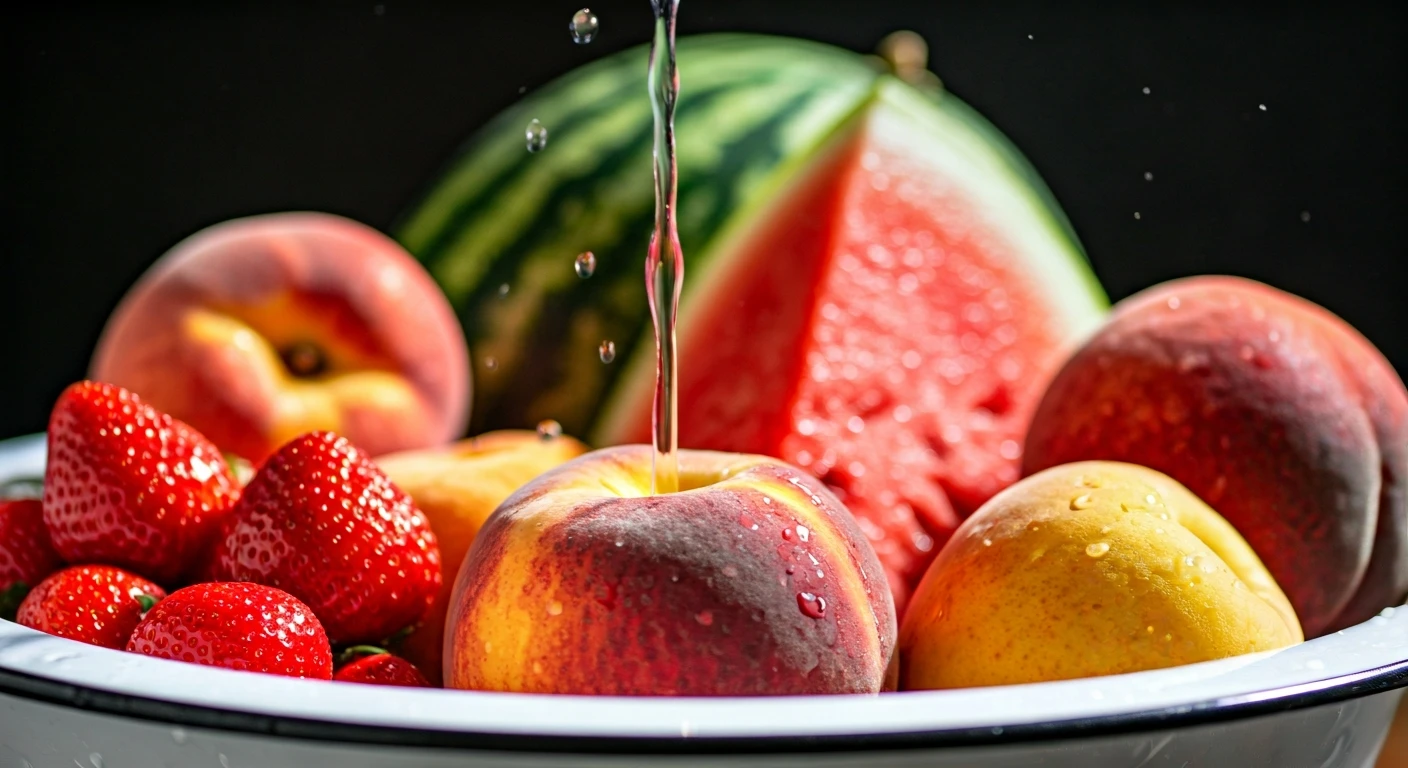
Proper handling at home is non-negotiable. Start by washing your hands with soap and water for at least 20 seconds before and after handling food. Use separate cutting boards—one for produce and one for raw meat, poultry, and seafood—to prevent dangerous juices from contaminating your salad ingredients. When it comes to washing produce, a gentle rinse under cool running water is effective for most items. For greens, you can use a salad spinner to remove excess moisture, which helps them stay fresher and gives bacteria less to work with. Contrary to popular belief, you should not wash bagged, pre-washed greens, as you risk re-contaminating them in your sink. Most importantly, trust your senses. If a raw food looks, smells, or feels “off,” it’s not worth the risk. When in doubt, throw it out.
When to Choose Cooked over Raw
This isn't about giving up your favorite foods entirely, but about making strategic choices when the risk is highest. During a heatwave or a particularly stormy week, consider simple swaps. Instead of a raw kale salad, try it lightly sautéed with garlic. Opt for a cooked sushi roll, like a California roll or shrimp tempura roll, instead of raw tuna. Instead of raw oysters on the half shell, try them grilled or baked. These small adjustments dramatically reduce your risk by introducing heat, which is the most effective way to kill foodborne pathogens. Think of it as a seasonal adjustment to your diet—a simple, smart way to stay healthy while still enjoying delicious food.