





The Doctor’s Newest Assistant
Imagine you’re at your annual check-up at a clinic miles from the nearest major city. Your doctor performs the usual tests, but this time, they also take a quick, high-resolution photo of your retina. Within seconds, a software program analyzes the image
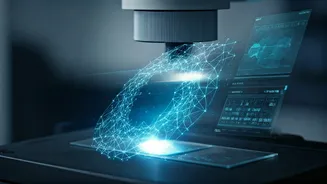
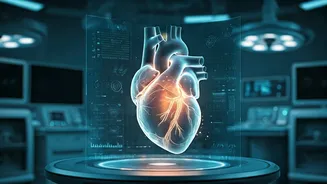
and flags a tiny, almost invisible abnormality—an early sign of diabetic retinopathy, a condition that can lead to blindness if left untreated. This isn't a scene from a movie. This is the new reality in a growing number of regional health centers, where diagnostic AI is giving primary care physicians a powerful new capability. At its core, this technology is a highly advanced pattern-recognition system. Trained on millions of medical images—from retinal scans to skin lesions to X-rays—the AI learns to spot subtle indicators of disease that might elude even a trained human eye during a routine screening. It acts as an instant, on-site second opinion, helping doctors decide which patients need to see a specialist immediately.
Closing the Specialist Gap
For millions of Americans living in rural or underserved areas, seeing a specialist like a dermatologist or an ophthalmologist can mean a months-long wait and a drive of several hours. This “specialist gap” is more than an inconvenience; it can be a matter of life and death. A suspicious mole or a change in vision might worsen significantly in the time it takes to get an appointment. This is where localized AI makes its biggest impact. Instead of referring every borderline case out, a primary care doctor can use an AI-powered tool to perform an initial screening. For example, AI algorithms are now FDA-approved to autonomously detect diabetic retinopathy, a leading cause of blindness that affects over 8 million Americans. In the past, every diabetic patient needed a separate, annual eye exam. Now, that screening can happen right in their family doctor’s office. The AI analyzes the retinal images and provides a report on the spot. If the result is negative, the patient is spared a separate trip. If it’s positive, they are immediately flagged for a referral to an ophthalmologist, ensuring those most at risk get seen first.
How It Actually Works
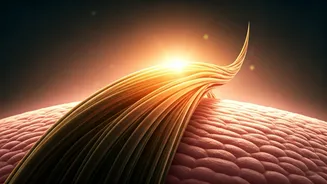
The magic behind this technology lies in machine learning. Developers feed an AI model a massive dataset of labeled images. For a skin cancer detection algorithm, this might mean hundreds of thousands of photos of moles, with each one labeled by expert dermatologists as either benign or malignant. Over time, the AI learns to identify the specific features, textures, and color patterns associated with cancer. The key is that the AI doesn't “diagnose” in the way a human doctor does. It provides a risk assessment. The software might say, “This lesion has a 95% probability of being melanoma,” or “Retinal scan shows moderate non-proliferative diabetic retinopathy.” The final call always rests with a qualified human clinician. The AI is a support tool, not a replacement. It filters the noise, allowing doctors to focus their limited time and expertise on the patients who need them most. This preserves the crucial doctor-patient relationship while enhancing the physician’s diagnostic power.
More Than Just a High-Tech Gadget
While the technology is impressive, its true value is in how it strengthens community healthcare. By bringing specialist-level screening into the primary care setting, AI helps regional clinics do more with less. It reduces the burden on overworked specialists, lowers healthcare costs by avoiding unnecessary referrals, and improves patient outcomes through early detection. For doctors in these smaller clinics, it’s a way to combat burnout. They can provide a higher level of care and have greater confidence in their clinical decisions without having to refer patients out for every minor concern. This empowerment helps keep skilled physicians in the communities that need them most. Ultimately, it’s a powerful step toward health equity, ensuring that the quality of your care doesn't depend on your zip code.