


The Outdoor Allergen Surge
Rain seems like it should wash away allergens, but it often does the opposite. For one, moisture is rocket fuel for outdoor mold. After a good downpour, mold spores multiply rapidly on damp soil, decaying leaves, and wet woodpiles. When your dog goes
out for a quick potty break, they're walking right through this invisible cloud of irritants. Furthermore, heavy rain can have a "bursting" effect on pollen particles. It fractures them into smaller, lighter fragments that can travel further and be inhaled more deeply into your pet’s respiratory system, triggering a more intense reaction than whole pollen grains might.
The Indoor Allergen Trap
As the rain keeps you and your pet indoors more often, the allergen load inside your home can skyrocket. The increased humidity from wet weather, damp coats, and tracked-in water creates a five-star resort for dust mites and indoor mold. These microscopic culprits thrive in damp, warm environments like bedding, carpets, and upholstery—all favorite napping spots for your pet. Being cooped up also means more concentrated exposure to your pet’s own dander, which can become a more significant irritant when the windows are sealed shut against the rain.
How to Spot the Symptoms
Allergic reactions in pets don't always look like a human's sneezy, watery-eyed response. The most common sign is intense itchiness, known as pruritus. You might see your dog or cat licking or chewing their paws obsessively (often until they are red and inflamed), rubbing their face and body against furniture, or scratching constantly, leading to hair loss or "hot spots." Another key indicator is recurrent ear infections, often marked by head shaking or a yeasty odor. Some pets may also develop skin rashes, while a smaller number show respiratory signs like sneezing.
Your Rainy-Day Action Plan
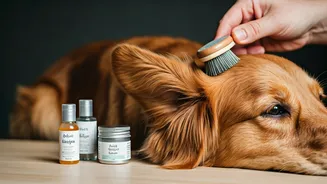
You can’t stop the rain, but you can take proactive steps to minimize your pet’s misery. Start with a simple "wipe-down" routine. Every time your pet comes in from outside, use a damp towel or pet-safe wipes to clean their paws, legs, and belly. This physically removes mold spores and pollen before they can be tracked through the house. Inside, focus on controlling humidity by running a dehumidifier to keep indoor levels below 50%. An air purifier with a HEPA filter can also work wonders by capturing airborne allergens. Finally, frequent bathing with a veterinarian-recommended hypoallergenic shampoo can soothe irritated skin and wash away surface allergens.
When It's Time to Call the Vet
While home management helps, some pets need more support. If your pet's itching is severe, their skin is broken or infected, or they seem to be in constant discomfort, it’s time to schedule a visit with your veterinarian. A vet can confirm if allergies are the cause and rule out other issues like fleas or food sensitivities. They can provide immediate relief with medications like antihistamines or newer, more targeted anti-itch drugs. For long-term management, your vet might recommend allergy testing to pinpoint specific triggers, which can lead to customized immunotherapy—allergy shots or oral drops—that can offer a more lasting solution.