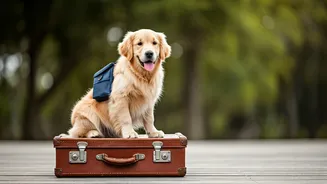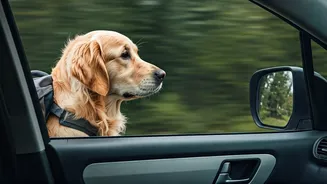









From Pet Owner to 'Pet Parent'
For generations in India, a dog was typically a guard animal or a street-dweller. Today, in the high-rises of Mumbai, Bengaluru, and Delhi, a dramatic cultural shift is underway. Fuelled by rising disposable incomes, urbanization, and a surge in nuclear
families, pets are no longer just animals—they are family. This transition from ‘pet owner’ to ‘pet parent’ mirrors a trend that has been common in the U.S. for decades, but its rapid acceleration in India is a powerful social and economic indicator. Younger, upwardly mobile Indians are increasingly delaying marriage and children, or living far from their extended families. In this new social landscape, pets offer companionship and an emotional outlet. They are ‘fur babies’ who receive the best in food, healthcare, and, increasingly, life experiences. This humanization of pets means the thought of leaving them in a kennel or with a sitter while the family travels is becoming unacceptable. The vacation isn’t complete if a member of the family is left behind.
The Hospitality Industry Takes Notice
Where there’s demand, supply follows. India’s hospitality industry, quick to spot a lucrative new demographic, is rolling out the red carpet for four-legged guests. This goes far beyond merely tolerating a pet in the room. Luxury hotel chains like Taj, Marriott, and Hyatt, along with countless boutique resorts and homestays, are now actively marketing themselves as ‘pet-friendly.’ These paw-approved getaways come with a suite of amenities that would impress any discerning traveler. We're talking dedicated pet beds, special water bowls, gourmet menus featuring dishes like chicken and rice stew, and designated ‘off-leash’ zones for play. Some properties even offer pet-sitting services, curated walking trails, and welcome baskets filled with chew toys and treats. It's a calculated business move: pet parents are often less price-sensitive and more loyal to brands that accommodate their entire family, turning a potential logistical headache into a premium revenue stream.
Paving the Way for Four-Legged Tourism
The ecosystem is growing beyond just hotels. Recognizing the logistical challenges, entrepreneurs are launching services to facilitate pet travel. Specialized taxi services with drivers trained to handle animals, pet-friendly cafes on major highways, and even pet relocation consultants are becoming more common. This infrastructure is crucial for turning the desire for a pet-inclusive holiday into a reality. However, the path isn't entirely smooth. Unlike in the U.S. or Europe where pet-friendly policies are widespread and standardized, India’s market is still fragmented. Rules can be inconsistent from one hotel to another, or even within the same chain. Public transportation largely remains off-limits, and many public parks and tourist sites still have strict ‘no pets’ policies. The current boom is driven by a passionate community and agile businesses, but a truly mature market will require more standardized regulations and broader public acceptance.
A Barometer of a New India
Ultimately, the rise of the pet-friendly vacation in India is more than just a quirky travel trend. It's a window into the aspirations and priorities of the country's burgeoning middle and upper classes. It signifies a move towards a lifestyle centered on emotional well-being and experiential spending, values that are deeply familiar to Western consumers. This willingness to spend significant money on a pet’s happiness reflects a society with newfound economic confidence and a changing definition of what constitutes a modern, fulfilling life. It signals a convergence of consumer behavior, where the love for a pet can create an entire economic sub-sector, complete with its own unique products, services, and influencers—one wagging tail at a time.