



First, Where is Lakshadweep?
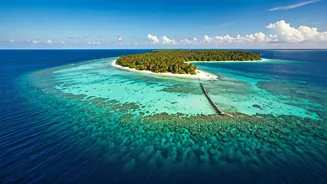
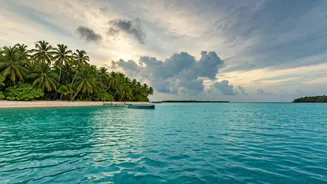
Before diving into the monsoon paradox, let's place Lakshadweep on the map. Imagine an isolated chain of 36 coral atolls and islands shimmering in the Laccadive Sea, off the southwestern coast of India. Often compared to the Maldives for its turquoise
lagoons, vibrant coral reefs, and sugar-white sands, Lakshadweep is a federally governed Indian territory that has long been protected from over-tourism. Access is restricted, requiring special permits for visitors, which has preserved its untouched, almost mythical, beauty. For American travelers, it represents a truly remote and exclusive alternative to more mainstream tropical destinations.
The Monsoon Paradox Explained
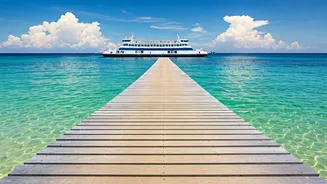
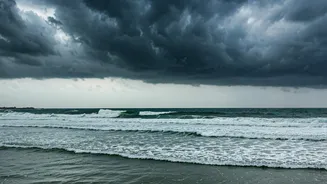
Typically, from June to September, the Indian monsoon brings heavy rains and, more importantly, rough seas. For an archipelago that relies heavily on ship transport between its islands, this season usually means a near-total shutdown of tourism. Ferry services are suspended, and many of the smaller, uninhabited islands become inaccessible. This is where the headline’s counterintuitive claim comes into play. While sea travel halts, air travel does not. The main gateway, Agatti Island, continues to receive flights from the mainland city of Kochi. This creates a unique bubble: the island is still accessible, but the usual crowds are gone.
Flexibility in Crowds and Costs
The “flexibility” isn’t about being able to hop between a dozen islands on a whim—that’s actually *less* possible during the monsoon. Instead, the flexibility comes from a lack of competition. With tourist numbers plummeting, the entire travel experience becomes more relaxed and spontaneous. Resorts and guesthouses on accessible islands like Agatti and the nearby connected island of Bangaram often have wide-open availability. This translates to two major benefits for travelers: significantly lower prices and the ability to book last-minute without stress. You gain the flexibility to plan a trip on shorter notice and enjoy a premier destination without the premium-season price tag or the need to book months in advance.
What to Expect During the Off-Season
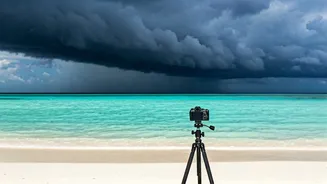
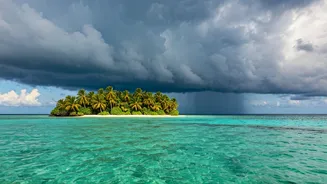
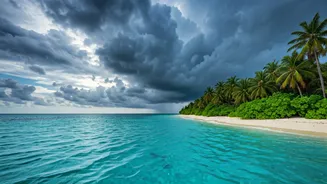
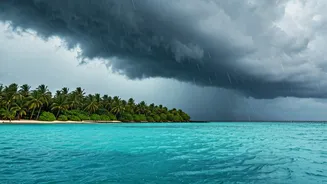
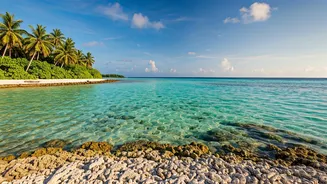
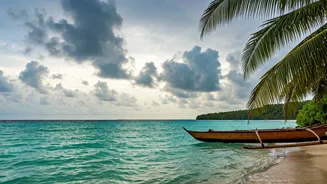
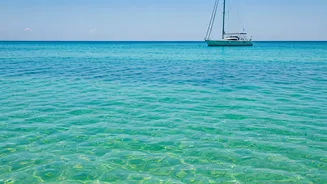
A monsoon-era trip to Lakshadweep is a different kind of vacation. You must trade expectations of constant, brilliant sunshine for something more dramatic and atmospheric. The landscape becomes intensely lush and green, saturated by the rain. The skies put on a daily show of shifting clouds, brief, intense downpours, and stunning post-rain clarity. Activities shift away from open-water excursions like scuba diving, which is often suspended due to poor visibility and strong currents. Instead, the focus turns inward. You can swim and snorkel in the calm, protected lagoons, which remain crystal clear. It's the perfect time for reading, cycling around the island, interacting with the small local community, and enjoying the tranquility of a resort you might have nearly to yourself. It’s a trip for serenity-seekers, not thrill-seekers.
Is Monsoon Travel Right for You?
So, should you book a flight to Lakshadweep in July? It depends entirely on your travel style. If your ideal beach vacation involves a packed itinerary of watersports, island-hopping, and guaranteed sunshine for that perfect tan, this is not the trip for you. You will likely be disappointed by the limitations. However, if you are a traveler who values solitude, cultural immersion, and budget-friendly access to an otherwise exclusive destination, the monsoon season presents an incredible opportunity. It’s a chance to experience the raw, natural beauty of the islands and see a side of paradise that few others do—a quiet, contemplative, and deeply restorative version.