


The Great Migration North
For decades, Goa was the undisputed king of Indian vacationing. Its laid-back vibe, Portuguese-influenced culture, and endless coastline made it the default destination for everyone from college students on a budget to families seeking a resort escape.
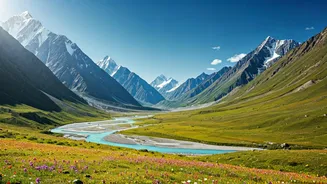
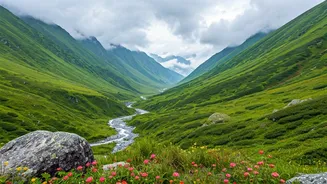
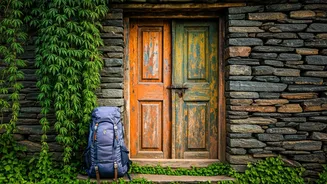
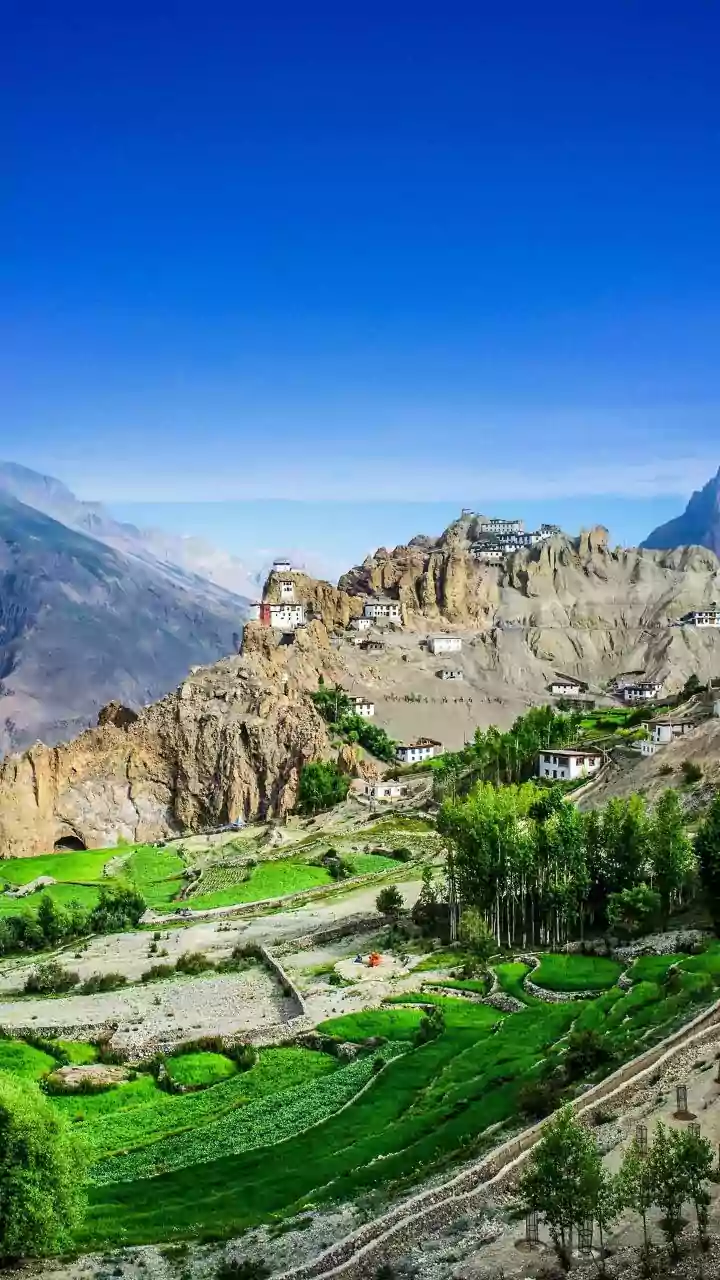
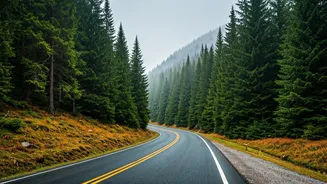
But a quiet revolution is underway, and it’s heading for the hills. A new generation of Indians, particularly Millennials and Gen Z, is increasingly bypassing the beach in favor of the Himalayas. States like Himachal Pradesh and Uttarakhand are experiencing a tourism boom, with once-sleepy mountain towns like Manali, Rishikesh, and Spiti Valley becoming the new hotspots. This isn't just a minor shift; it’s a fundamental realignment of what a vacation means to a huge, upwardly mobile demographic. They’re not just looking for a place to relax; they’re searching for an experience to define them.
Both Kinds of 'Views'
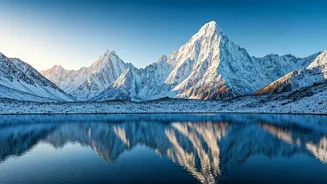
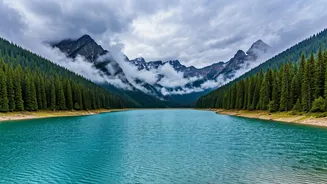
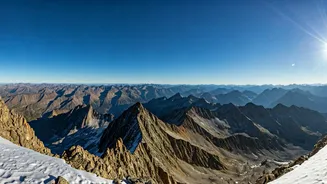
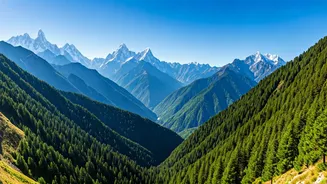
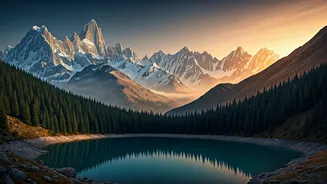
The headline's double-meaning is at the heart of the trend. The first “view” is the literal, breathtaking panorama from a mountain pass or a lakeside camp. But the second, arguably more powerful “view,” is the one on Instagram. For a generation that grew up with social media, a trip isn’t complete until it’s been curated, posted, and validated online. Beaches, while beautiful, offer a relatively uniform aesthetic. In contrast, the mountains provide a dynamic and dramatic backdrop for content creation: a time-lapse of clouds rolling through a valley, a candid shot by a roaring river, a triumphant pose at the end of a difficult trek. The quest for unique, shareable moments is driving travelers to more remote, rugged, and photogenic locales. The experience and its digital documentation have become inseparable.
In Search of Authenticity and Adventure
While social media is a powerful catalyst, it’s not the whole story. This trend also reflects a deeper cultural current: a search for authenticity and a break from the noise of modern urban life. India's megacities are dense, chaotic, and relentlessly fast-paced. For many young professionals, the silence of a mountain trail offers a more profound form of escape than a crowded beach party. This movement is also fueled by a growing interest in wellness, adventure, and self-improvement. Rishikesh has become a global hub for yoga, while countless smaller towns now serve as basecamps for multi-day treks, rock climbing, and whitewater rafting. These travelers are choosing exertion over indulgence, seeking personal growth and bragging rights that come from pushing their physical limits, not just getting a tan.
An Economy Built on Experiences
This shift wouldn't be possible without new economic and infrastructural realities. The rise of the gig economy and more flexible work arrangements allows for longer, more immersive trips, sometimes called “workations.” Furthermore, the travel industry has adapted. Budget airlines now connect major cities to smaller airports near mountain regions. A network of affordable, design-conscious hostels and homestays has sprung up, offering community and local flavor that sterile beach resorts often lack. These establishments, run by and for a younger generation, understand their clientele's needs: reliable Wi-Fi, communal spaces, and guides who can lead them to the most Instagrammable spots. This ecosystem makes adventure accessible, transforming what was once a niche pursuit for hardcore mountaineers into a mainstream rite of passage for urban youth.