





Beyond the Restaurant Buffet
For many Americans, Indian food means a handful of Northern Indian dishes: creamy chicken tikka masala, buttery naan, and rich saag paneer. While delicious, these heavyweights are just a tiny fraction of what the subcontinent has to offer. In India, a country
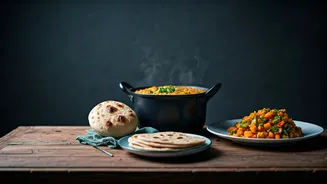
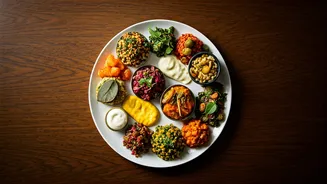
with vast tropical and subtropical regions, daily home cooking is profoundly seasonal. Summer meals are specifically designed to be light, hydrating, and cooling. The secret is moving away from the mindset of a heavy, single-pot curry and embracing a meal built from several lighter, distinct components. Think of it less as a stew and more as a platter of complementary tastes and textures that refresh rather than weigh you down.
Embrace the Power of Yogurt
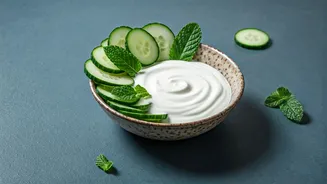
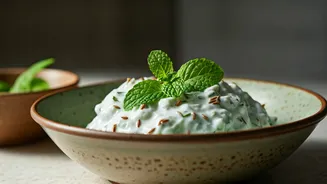
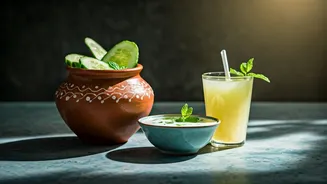
Yogurt is the undisputed hero of Indian summer cooking. Its cooling properties, rooted in Ayurvedic tradition, make it a staple when temperatures climb. The most accessible way to incorporate it is through *raita*, a simple yogurt dip that can be customized endlessly. Grate a cucumber and stir it into plain yogurt with a pinch of salt and roasted cumin powder for a classic side dish that extinguishes the heat of any spicy component. Another favorite is *lassi*, a yogurt-based drink. While mango lassi is popular, a savory *lassi* (with salt, mint, and cumin) or a simple sweet one (with just sugar and water) is incredibly hydrating. For something more substantial, look to *dahi vada*—soft lentil fritters soaked in a cool, spiced yogurt sauce.
Lighten Up with Lentils and Rice
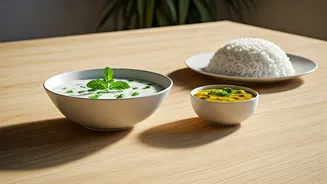
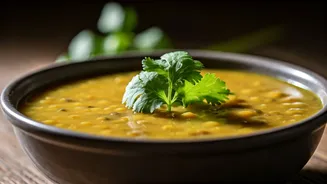
Hearty lentil dishes, or *dal*, don't have to be heavy. A simple summer *dal* is often thinner, more like a savory broth than a thick stew. It’s seasoned with a *tadka*—a final tempering of spices bloomed in hot oil or ghee—which might include mustard seeds, cumin seeds, and a pinch of asafoetida. Paired with plain basmati rice, it’s a complete protein that’s both nourishing and easy to digest. Another classic comfort food perfect for a simple meal is *khichdi*, a one-pot dish of rice and lentils cooked together until soft. While often eaten when sick, a lightly spiced *khichdi* served with a dollop of yogurt is a wonderfully restorative summer dinner. Lemon rice is another brilliant option, where cooked rice is simply tossed with a tempering of mustard seeds, lentils, peanuts, and a generous squeeze of fresh lemon juice.
Think Salads and Simple Vegetables
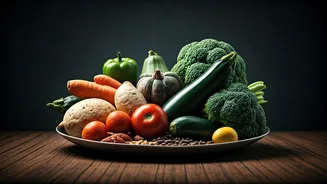
Indian salads, unlike their leafy green American counterparts, are more like finely chopped salsas. The most common is *kachumber*, a mix of diced tomato, cucumber, and onion dressed with lemon juice, salt, and fresh cilantro. It's the perfect crunchy, fresh counterpoint to any meal. Many South Indian vegetable preparations, known as *poriyals* or *thorans*, are also wonderfully light. Vegetables like green beans, cabbage, or carrots are finely chopped and quickly stir-fried or steamed with mustard seeds, grated coconut, and minimal spices. They are cooked just until tender-crisp, preserving their freshness and texture without the need for a heavy sauce.
Rethink Your Spices
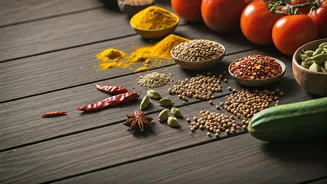
Finally, remember that 'spicy' in Indian cooking doesn't always mean 'hot.' While chilies are common, many spices are used for their aromatic and cooling properties. Mint and cilantro are used liberally as fresh garnishes that add a burst of freshness. Fennel seeds, often chewed after a meal as a digestive aid, have a sweet, cooling effect. Cumin, especially when roasted and ground, provides an earthy warmth without overwhelming heat. By focusing on these aromatic, rather than fiery, spices, you can build complex flavor that feels appropriate for a warm day.