






The Old Wishlist Falters
For generations, the Indian summer vacation followed a familiar rhythm. From April to June, families would flock to the sun-drenched beaches of Goa or embark on historical tours through the majestic forts and palaces of Rajasthan. These destinations were
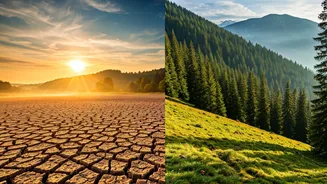
staples, woven into the cultural fabric of summer travel. But as climate change intensifies, that tradition is melting away under a relentless sun. Recent years have seen devastating heatwaves across the Indian plains, with temperatures soaring past 110°F (43°C) for weeks on end. In cities like Delhi and Jaipur, the heat is not just uncomfortable; it’s dangerous. For tourists, this means that sightseeing becomes a health risk, outdoor activities are impossible, and the very idea of a relaxing vacation evaporates. As a result, tour operators report a sharp drop-off in bookings for these once-unbeatable hotspots, with cancellation rates climbing as heat advisories multiply.
The Great Migration to the Mountains
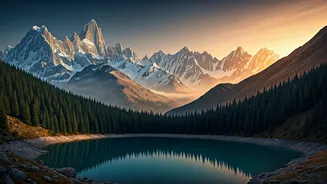
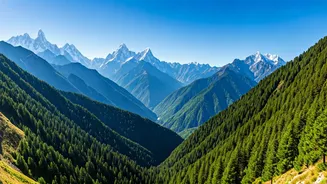
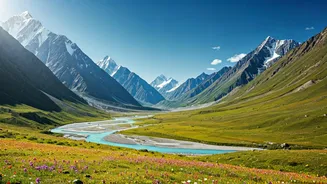
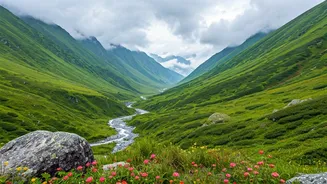
So, where are the travelers going? North. The overwhelming trend is a mass migration towards the cool, crisp air of the Himalayas. Hill stations built by the British to escape the summer heat, like Shimla and Manali in Himachal Pradesh, are experiencing an unprecedented boom. These towns, along with destinations in Uttarakhand, Sikkim, and the newly accessible Kashmir Valley, have become the new epicenters of India's summer tourism. Travel agencies have seen booking inquiries for mountain destinations surge by 40-60% in recent years. Hotels that once had a clear peak season are now booked solid from March through July. This isn't just about escaping the heat; it's about finding a place where a vacation still feels like a vacation—where you can walk outside without risking heatstroke and enjoy the natural beauty that defines a true getaway.
Redrawing the Travel Calendar
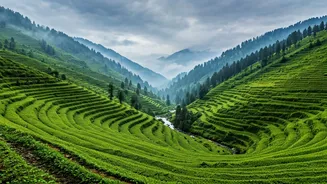
The shift is not just geographical; it's temporal. The classic April-June school holiday window is becoming increasingly untenable for travel in much of the country. In response, savvy travelers and tour operators are adapting by embracing the “shoulder seasons.” Travel in March, before the worst of the heat arrives, and in July and August, when the monsoon rains break the heatwave, is becoming more popular. This has given rise to “monsoon tourism,” once a niche concept. Instead of avoiding the rain, travelers are now seeking out the lush, green landscapes and dramatic cloud-filled skies of places like Kerala or the Western Ghats. This change is forcing the entire industry to rethink its seasonal marketing and pricing strategies. The old, predictable calendar is gone, replaced by a more fluid model driven by weather patterns.
A Climate-Driven Ripple Effect
This massive shift is creating clear winners and losers. For businesses in the Himalayan states, the boom is a blessing, bringing in revenue and creating jobs. However, it also brings challenges, including overcrowding, strain on local infrastructure like water and roads, and the risk of unchecked development damaging the fragile mountain ecosystem. Meanwhile, in traditional summer destinations across the plains, the economic pain is real. Hotels, restaurants, and local artisans who depend on the summer tourist rush are facing a grim new reality of empty rooms and quiet markets. Many are being forced to adapt, offering steep discounts, promoting indoor attractions, or trying to attract business travelers who can't avoid the heat. This climate-driven redistribution of tourism wealth is a powerful, real-time example of how environmental changes have direct and dramatic economic consequences.