



The Most Tired Generation
Talk to anyone under 25, and you’ll likely hear a story about exhaustion. Dubbed “the burnout generation,” Gen Z reports higher levels of stress and anxiety than any other age group, according to the American Psychological Association. Raised on hyper-connectivity,
social pressure, and economic uncertainty, their energy reserves are often running on empty. Unlike millennials who were sold the promise of “hustle culture,” many in Gen Z view chronic tiredness not as a badge of honor, but as a systemic problem to be solved. Their solution, ironically, isn’t to disconnect entirely. Instead, they’re leaning into data, applying a new level of analytical rigor to the one thing everyone needs: sleep.
From Step Counts to Sleep Scores
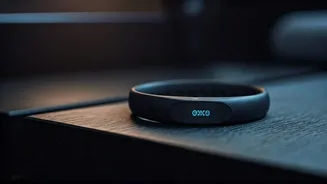
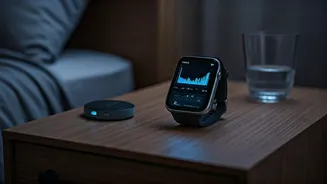
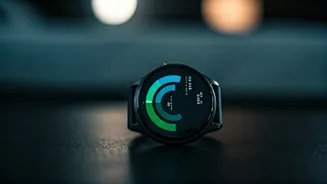
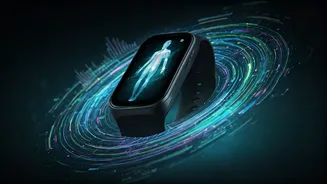
For years, wellness wearables were synonymous with counting steps. Today, the frontier is what happens when you’re unconscious. Devices from Oura, Whoop, Apple, and Fitbit have evolved into sophisticated sleep labs on your wrist or finger. They don’t just track duration; they provide a detailed breakdown of your night, including time spent in light, deep, and REM sleep. More importantly, they offer “smart insights.” These are actionable metrics like a daily “Readiness” or “Recovery” score, which synthesize sleep data with biometrics like heart rate variability (HRV) and resting heart rate. An 85 Readiness score might signal a green light for a tough workout, while a 55 could be a data-backed permission slip to take it easy. This transforms sleep from a passive activity into an active, measurable part of a health strategy.
The Gamification of Rest
For a generation raised on video games and social media streaks, this data-driven approach is intuitive. Achieving a high sleep score or a “100% recovery” feels like leveling up in the game of life. It creates a positive feedback loop where good habits are visibly rewarded. Young users share their scores with friends, comparing sleep stats the way previous generations might have compared marathon times. This isn't about bragging about a lack of sleep; it's about celebrating rest. The insights provided by these devices help users connect cause and effect. They can see precisely how a late-night meal, an evening workout, or a glass of wine impacts their sleep quality and next-day performance. It’s a powerful tool for self-discovery, allowing them to optimize their daily routines for better energy.
A New Kind of Wellness Anxiety?
While smart sleep tracking offers clear benefits, experts caution against a potential downside: orthosomnia. The term describes an unhealthy obsession with achieving perfect sleep, where anxiety about sleep data ironically disrupts sleep itself. Chasing a perfect score can become another source of pressure in an already high-pressure world. Some users report feeling discouraged or stressed by a low score, leading them to distrust their own body’s signals in favor of what an algorithm tells them. The key, according to sleep scientists, is to use the data as a guide, not a judgment. The goal is to become more in tune with your body’s natural rhythms, using technology as an aid for that process rather than letting it become the sole arbiter of how you feel.