
Deconstruction for a Busy Life
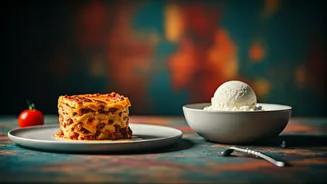
One of the most defining characteristics of Gen Z’s approach to cooking is the art of deconstruction. Why spend an hour carefully layering a lasagna when you can capture 90% of the flavor in a 30-minute, one-pot lasagna soup? This isn't about laziness;
it's about efficiency and a pragmatic understanding of modern life. Time-consuming, multi-step recipes are being cleverly reverse-engineered into simpler, more approachable formats. Think burrito bowls instead of perfectly rolled burritos, or shepherd's pie transformed into a skillet meal. The core components—the seasoned ground beef, the creamy potatoes, the savory gravy—are all there, but the fussy assembly is gone. This philosophy prioritizes the flavor experience over the traditional presentation, making beloved comfort foods accessible on a Tuesday night, not just a Sunday afternoon.
The Protein-Packed Glow-Up
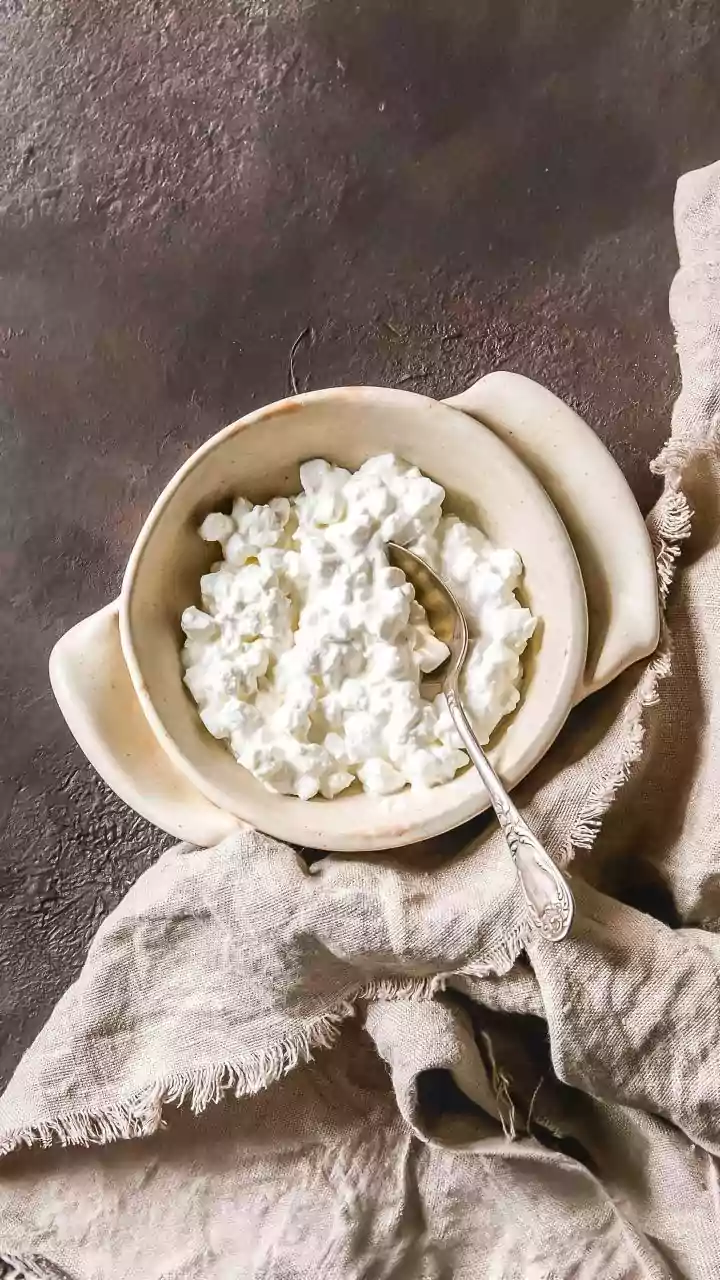
If there’s one ingredient that defines the current food moment, it’s cottage cheese. Once relegated to the diet plates of the 1980s, it has been resurrected as a high-protein superhero. Gen Z has discovered that when blended, this lumpy cheese becomes a creamy, neutral base for almost anything. We're seeing it transformed into viral ice cream, edible cookie dough, creamy pasta sauces, and even bread. This isn't just about health; it's a 'healthy-ish' hack. It’s about taking traditionally indulgent foods and giving them a nutritional boost without sacrificing the sense of treat. The same logic applies to Greek yogurt, which is being used in everything from two-ingredient bagels to healthier ranch dips. This trend speaks to a generation that values wellness but refuses to subscribe to the joyless deprivation of past diet cultures.
Celebrating the 'Good Enough' Meal
Perhaps the most culturally significant trend is the embrace of the imperfect, low-effort meal. Enter 'girl dinner,' a viral concept that champions a plate of snacks—a little cheese, some crackers, a handful of grapes, maybe a pickle or two—as a perfectly acceptable evening meal. On the surface, it’s just a snack plate. But culturally, it’s a powerful rejection of the pressure to cook elaborate, 'proper' meals every single night. It’s an ode to convenience and listening to your own cravings. It gives a name and a sense of community to a private, often slightly shameful habit. By celebrating these 'chaos plates,' Gen Z is pushing back against the Pinterest-perfect food culture that dominated the last decade, arguing that food doesn't always need to be a performance. Sometimes, it just needs to be food.
Global Flavors, TikTok Filters
While previous generations might have needed a specialty cookbook to explore global cuisine, Gen Z learns through 60-second videos. This has led to a fascinating fusion where authentic flavor profiles are adapted using common supermarket ingredients. A complex ramen broth might be simplified using instant noodles and a few flavor bombs like miso paste and chili crisp. The viral 'Marry Me Chicken' took the classic flavors of a Tuscan chicken—sun-dried tomatoes, cream, garlic, and herbs—and packaged them into an easy-to-follow, foolproof recipe that anyone could master. This approach democratizes flavor. It’s less about perfect authenticity and more about capturing the spirit of a dish, encouraging experimentation, and making a diverse world of taste accessible from any American kitchen.