






The Ultimate Freshness Hack
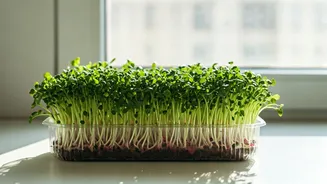
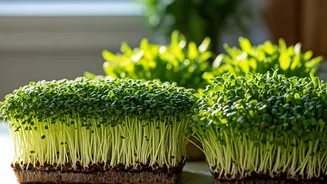
First, let's define our terms. Microgreens are not sprouts. They are young vegetable greens harvested just after the first true leaves have developed, typically within 7 to 21 days of germination. This makes them a concentrated source of nutrients—often
containing higher levels of vitamins and carotenoids than their mature counterparts. For an apartment resident, the alternative is a plastic clamshell of delicate greens from the grocery store that can wilt in days. A counter tray flips the script entirely. It’s a living pantry. Instead of watching your produce lose its vitality in the fridge, you harvest vibrant, crisp greens moments before you eat them. This guarantees peak flavor and nutritional value, transforming a simple avocado toast or a bowl of soup into something bursting with freshness.
A Small-Space Garden That Actually Works
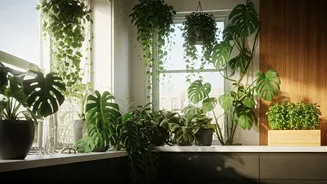
The dream of a backyard garden is a non-starter for millions of Americans living in apartments. Traditional houseplants can be fickle, demanding specific light, soil, and watering schedules that don’t always align with a busy, compact lifestyle. This is where microgreen trays shine. They are purpose-built for simplicity and success in small spaces. Many popular systems are self-watering, come with pre-portioned seed quilts, and require little more than a splash of water and a spot with indirect light. The entire footprint is often no larger than a cutting board. The reward is also incredibly fast. While a tomato plant takes months to fruit, microgreens offer a gratifying harvest in about a week. This quick turnaround provides a powerful sense of accomplishment with minimal commitment or risk of failure.
A Dose of Everyday Wellness
The appeal goes far beyond the plate. In an urban environment dominated by concrete, screens, and artificial light, having a patch of living green on your counter provides a tangible connection to nature. This concept, known as biophilia, suggests that humans have an innate tendency to seek connections with the natural world. Tending to a microgreen tray—watching the seeds sprout and grow each day—can be a meditative ritual. It offers a small, quiet break from digital life and the stresses of the day. It’s a low-stakes form of nurturing that provides a visible, positive result, boosting mood and adding a small moment of organic beauty to the daily routine.
An Aesthetic and Culinary Upgrade
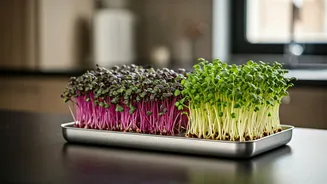
Let’s be honest: they also look great. The companies behind these trending kits understand their audience. The trays are often beautifully designed with clean lines and minimalist aesthetics that complement modern decor. They aren't just a utility; they're a piece of 'counter-scaping,' adding a pop of living color to the kitchen. This visual appeal is matched by their culinary impact. A sprinkle of fresh radish, broccoli, or amaranth microgreens adds a peppery, nutty, or earthy flavor that elevates everyday meals. It’s an effortless way to make home-cooked food feel more thoughtful and look restaurant-worthy, a small luxury that feels increasingly important when we spend more time eating at home.
The Sustainability Appeal
Finally, the microgreen trend taps into a growing consciousness around sustainability and food systems. Growing your own greens, even on a small scale, eliminates the plastic packaging, food miles, and potential waste associated with store-bought produce. For many, it's a small but meaningful step toward a more self-sufficient and environmentally friendly lifestyle. It offers a direct connection to where food comes from, fostering a greater appreciation for the resources involved. In a world of complex supply chains, the simplicity of adding water to a seed and watching it grow into food on your own countertop feels refreshingly direct and responsible.