




The Concrete Jungle's Dilemma
Imagine wanting to fill your home with lush, leafy monsteras and vibrant prayer plants, but your apartment window faces another building just a few feet away. This is the reality for millions in Indian megacities like Mumbai, Delhi, and Bangalore. As
these urban centers have grown vertically and exponentially, access to direct sunlight has become a luxury. Compact high-rise living, coupled with long and overcast monsoon seasons, creates an environment where even the hardiest houseplants struggle to survive, let alone thrive. For aspiring green thumbs, the dream of an 'urban jungle' often wilts before it can begin. It's a classic case of supply and demand: the desire for nature is at an all-time high, but the most crucial ingredient—sunlight—is in critically short supply. This scarcity has forced a generation of city dwellers to look for an alternative to the sun itself.
A Spectrum of Artificial Sun
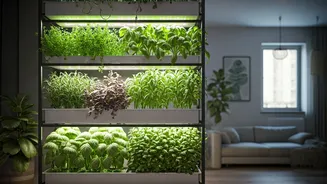
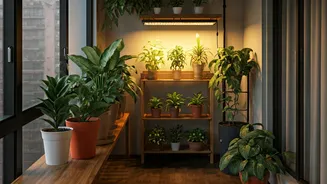
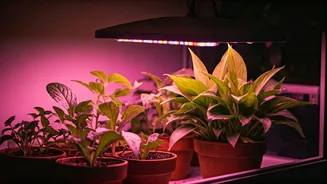
Enter the grow light. Once the niche tool of commercial hydroponic farms and cannabis cultivators, these devices have become the go-to solution for the average Indian apartment dweller. Thanks to the rise of e-commerce and a flood of affordable, consumer-friendly LED options, grow lights are no longer an expensive, industrial piece of equipment. Today, they come in all shapes and sizes: sleek, minimalist halo lights that clip onto a single pot, flexible strips that can illuminate an entire bookshelf of succulents, and full-spectrum bulbs that screw into any standard lamp. For urbanites, this technology is a game-changer. It decouples plant ownership from architectural luck. You don't need a south-facing balcony to grow herbs or a sun-drenched living room for a fiddle-leaf fig. You just need a power outlet. This accessibility has democratized indoor gardening, turning dim corners and windowless rooms into viable spaces for greenery.
More Than Just Decoration
But to call this a mere 'shortcut' for aesthetics misses the deeper motivation. In cities grappling with some of the world's worst air quality, nurturing plants is an act of reclaiming personal wellness. While a few houseplants won't purify an entire apartment, the psychological benefits are significant. Tending to plants is a meditative escape from the relentless pace of city life—a tangible connection to nature in an artificial environment. This trend is deeply tied to the concept of biophilia, our innate need to connect with life and living processes. For many young professionals in India, curating a plant collection is more than a hobby; it's a form of self-care. It’s about controlling a small, green part of their world when so much outside—the traffic, the noise, the pollution—feels chaotic and overwhelming. The grow light isn't just feeding the plant; it's feeding a fundamental human need.
India's New 'Plant Parents'
This movement is amplified by social media, where hashtags like #urbanjungleindia and #indianplantcommunity showcase stunning indoor gardens thriving under the purple-pink glow of LED lights. A new identity has emerged: the 'plant parent.' These are typically millennials and Gen Z, navigating demanding careers and embracing domestic hobbies that offer a sense of purpose and nurturing. Unlike previous generations who may have had access to soil and outdoor space, this cohort is innovating within the constraints of modern urbanism. They trade tips on soil mixes, pest control, and, most importantly, the best grow light setups for their specific apartments. This isn't just an Indian phenomenon, but it has a unique flavor here, blending a global Instagram aesthetic with a culturally ingrained appreciation for nature and a pragmatic response to the unique environmental pressures of the subcontinent's booming cities.