


First, What Is Bhindi?
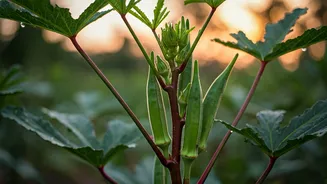
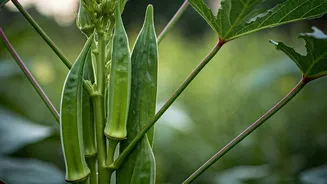
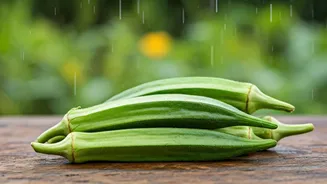
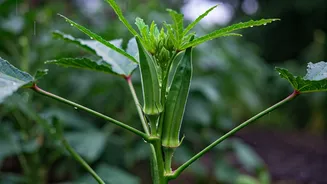
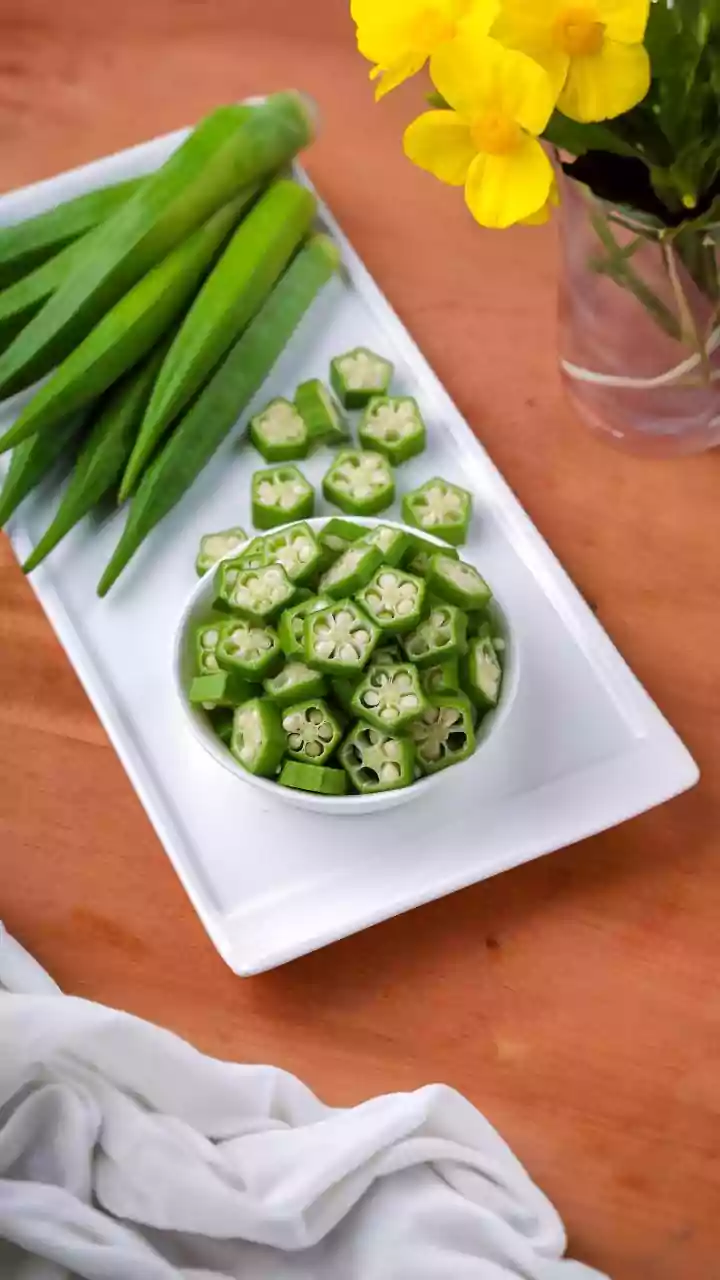
If the name isn't familiar, the vegetable certainly is. Bhindi is the Hindi word for okra, a staple in South Asian, Caribbean, and Southern U.S. cuisine. Known for its distinctive ridged green pods and beautiful, hibiscus-like flowers, okra is prized
for its ability to thicken stews like gumbo and for its superb flavor when fried, roasted, or grilled. By growing it yourself, you’re not just adding a plant to your balcony; you’re connecting to a rich culinary tradition. And despite its somewhat exotic reputation in some parts of the U.S., it’s surprisingly straightforward to grow in a pot.
Choose Your Container and Location
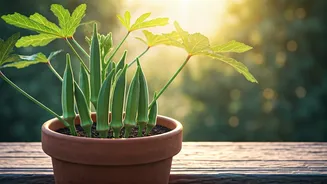
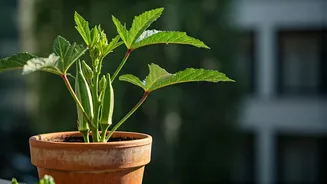
Okra loves heat and sun, making a south-facing balcony its ideal home. Your plant will need at least six to eight hours of direct sunlight per day to thrive and produce pods. Don’t skimp on pot size. Okra develops a deep taproot and needs room to grow. Select a container that is at least 5 gallons in volume, though a 10-gallon pot is even better. A larger pot holds more soil and moisture, which means less frequent watering and a happier plant. Ensure the container has excellent drainage holes at the bottom—okra hates 'wet feet,' and waterlogged soil can lead to root rot.
The Right Soil and Planting Strategy
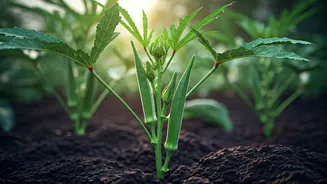
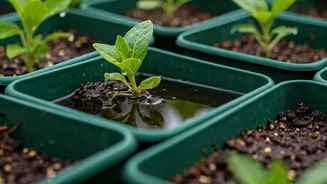
For your container, use a high-quality potting mix, not garden soil which is too dense and can harbor pests. Look for a mix that contains ingredients like peat moss, perlite, or vermiculite to ensure it's both moisture-retentive and well-draining. You can start okra from seeds or buy seedlings from a nursery. If planting from seed, soak them overnight in warm water to speed up germination. Plant two to three seeds about an inch deep in the center of your pot after the last frost date has passed and nighttime temperatures are consistently above 60°F. Once the seedlings are a few inches tall, thin them out, leaving only the strongest one to grow.
Essentials: Watering and Feeding
Okra is a thirsty plant, especially in the heat of summer and in a container that dries out quickly. Check the soil daily by sticking your finger an inch deep. If it feels dry, it’s time to water. Water thoroughly until you see it running out of the drainage holes, then let the soil dry out slightly before watering again. To support its rapid growth and pod production, you'll need to fertilize. Start feeding your plant with a balanced, all-purpose liquid fertilizer every two to three weeks once it begins to flower, following the package instructions.
Harvesting for Peak Flavor
This is the best part. About two months after planting, you should see your first pods. The key to delicious, tender okra is to harvest it when it’s young. The ideal size is typically 2 to 4 inches long. Any larger, and the pods can become tough and woody. Check your plant every day, as the pods grow incredibly fast. Use a pair of scissors or a sharp knife to cut the stem just above the pod. The more you harvest, the more the plant will produce. This regular harvesting can keep your balcony garden productive all the way until the first frost.