


The End of the Glossier Era
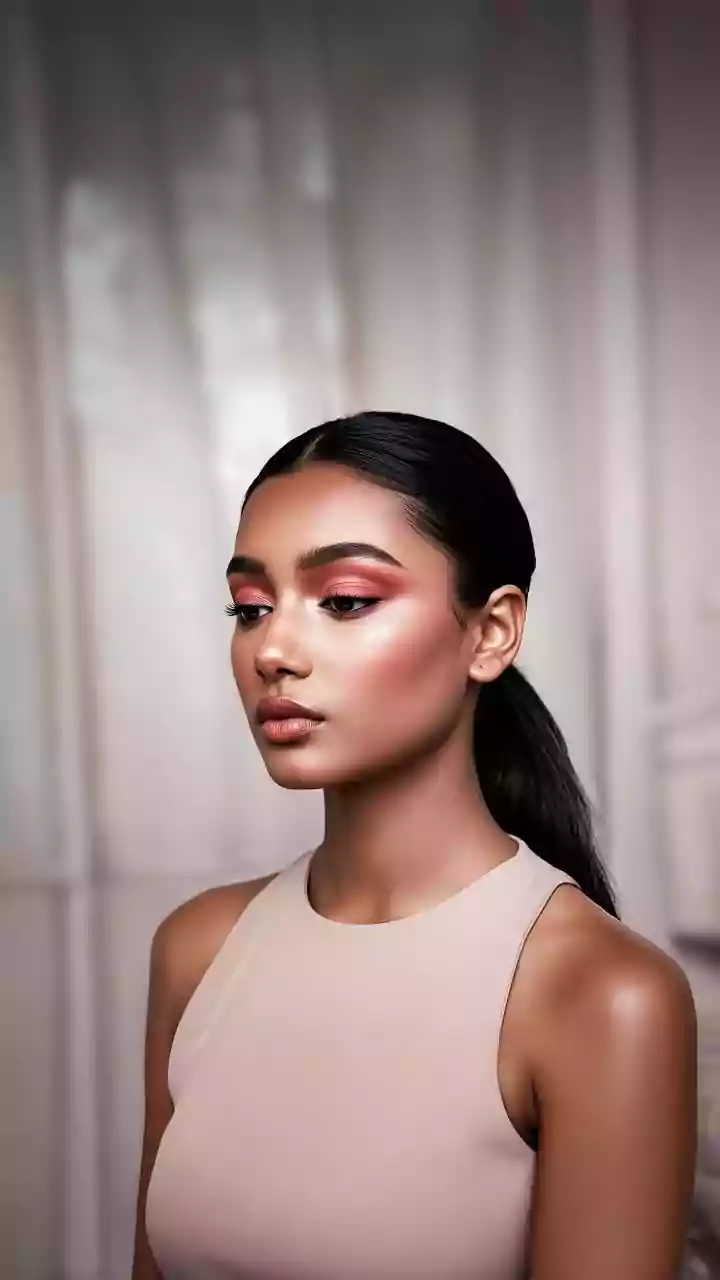
Remember when the goal was to look like you just had a great facial and maybe dabbed on some lip balm? For the better part of a decade, the beauty industry was dominated by minimalism. Brands like Glossier built empires on the promise of effortless, barely-there
beauty. The look was dewy skin, brushed-up brows, and a sheer wash of color—a uniform of curated subtlety. It was less about transformation and more about enhancement, a polished version of your natural self. This aesthetic preached that 'you, but better' was the ultimate aspiration. While beautiful, it also carried an unspoken rule: don't look like you're trying too hard. Makeup was a tool for correction and quiet confidence, not a canvas for loud, personal expression.
Enter: Dopamine Beauty
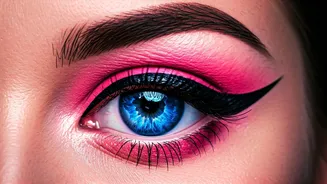
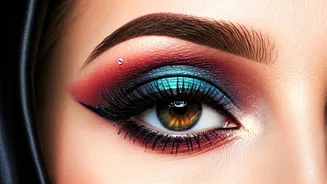
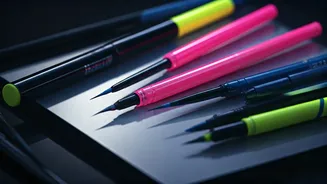
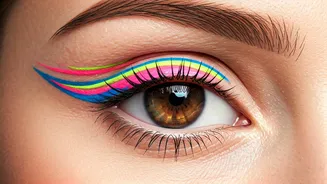
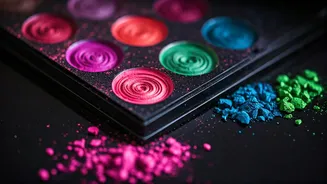
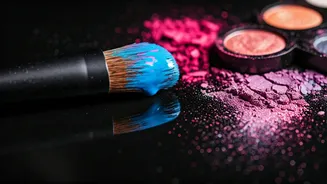
The pendulum has swung, hard. The new movement, often dubbed 'dopamine beauty,' is the aesthetic and spiritual opposite of its predecessor. It’s inspired by the same psychological principle as 'dopamine dressing'—the idea that wearing bright, joyful colors can genuinely lift your mood. This isn't about looking natural; it's about feeling fantastic. Think electric blue eyeliner that doesn’t apologize for being seen, a cascade of hot pink blush draped from cheek to temple, or a constellation of tiny rhinestone gems accenting a shimmering eyelid. It’s makeup as a playground, a tool for generating happiness in a world that’s often felt heavy and gray. After years of lockdowns and uncertainty, people are craving joy, and they’re finding it in their makeup bags.
The ‘Euphoria’ Effect and Social Media
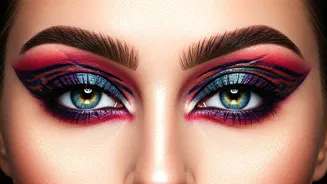
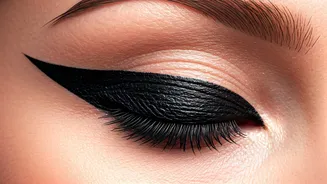
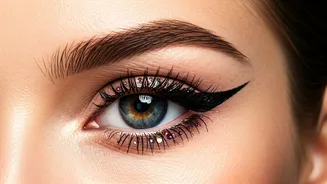
You can't talk about this shift without mentioning its biggest cultural catalyst: the HBO series *Euphoria*. The show’s makeup artist, Donni Davy, turned faces into canvases for emotional storytelling. Characters wore their inner turmoil as glitter tears, sharp graphic liner, and neon eyeshadow. The looks weren't just decorative; they were narrative. This resonated deeply, especially with a younger generation. Suddenly, dramatic makeup had a new cultural currency. Platforms like TikTok and Instagram became the perfect venues for this trend to explode. The algorithm rewards bold, scroll-stopping visuals, and a perfectly blended neutral eye simply doesn't have the same impact as a cloud-painted lid or a razor-sharp, two-toned wing. Social media democratized artistry, giving everyone permission to experiment without the pressure of real-world perfection.
Art, Not Armor
Perhaps the most significant aspect of this movement is the re-framing of makeup’s purpose. For a long time, its primary function in mainstream culture was to be 'flattering'—to contour a 'better' bone structure, hide blemishes, or create the illusion of bigger eyes. It was a form of armor, designed to help you fit a certain standard of beauty. The new maximalism throws that idea out the window. A swipe of chrome eyeshadow across the brow bone or a deliberately smudged, painterly lip isn’t trying to 'fix' anything. It’s additive, not corrective. It’s a decorative art form, like choosing a piece of jewelry or a statement jacket. This approach is inherently more inclusive, as it doesn't presuppose a 'flawed' canvas that needs improvement. It’s about adorning the face you have in a way that feels authentic and exciting to you.