





The Old Vacation Calendar Is Broken
For decades, the American vacation was a predictable creature, ruled by the school calendar and federal holidays. You went to the beach in July, Florida for spring break, and maybe a European capital in August. Weather was a variable, but not the primary
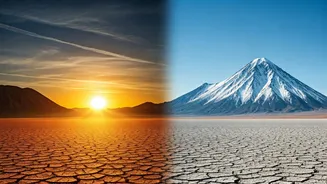
driver. You booked the trip and crossed your fingers, packing a poncho alongside your sunglasses just in case. That era is rapidly coming to a close. A series of brutally hot summers, coupled with unpredictable and severe weather events, has introduced a new, non-negotiable factor into our travel planning: climate reality. The risk of a vacation being not just dampened by rain but completely derailed by a 110-degree heatwave, wildfire smoke, or a ‘supercharged’ storm has become too high for many to ignore.
Meet 'Temperature Tourism'
Enter the new strategy: temperature tourism. It’s a simple but profound shift in how we choose our destinations. Instead of picking a place and hoping for good weather, travelers are now picking a desired weather profile and finding a place that matches it. The goal is to land in a destination that promises comfortable, manageable temperatures, often in the 70s or low 80s Fahrenheit. Travel booking sites have seen this trend explode in their data. Expedia reported a significant uptick in travelers using weather as a key planning element, while search queries for cities in cooler northern latitudes have surged. This isn't just about escaping a hot August at home; it’s about proactively seeking out environments where you can comfortably walk, hike, dine outdoors, and simply exist without the oppressive weight of extreme heat. It’s a move from destination-first to experience-first planning, where the ‘experience’ is simply a pleasant climate.
This Is About Risk, Not Just Comfort
While the appeal of a cool breeze on a July afternoon is obvious, this trend runs deeper than simple comfort. It’s a form of vacation risk management. A week of 105-degree temperatures in Rome doesn't just mean you'll be sweaty; it means ancient sites may close early, walking tours become health hazards, and the charming outdoor cafe is an unusable furnace. Wildfire smoke blanketing a national park doesn't just obscure the views; it cancels hikes and triggers air quality alerts that keep you indoors. By planning around temperature, travelers are attempting to de-risk their investment of time and money. They’re choosing destinations where their itinerary is less likely to be ruined by a climate-related event. A trip to Michigan’s Upper Peninsula or the coast of Maine in July carries a much lower risk of being scrapped due to environmental catastrophe than a trip to a traditional hotspot that now regularly faces extreme weather warnings.
The Rise of the 'Cool-cation'
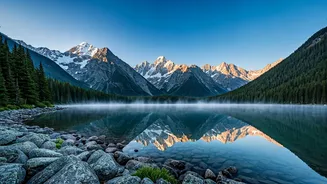
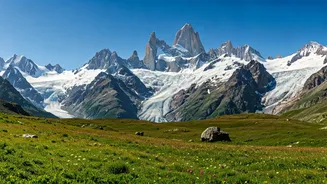
So where are these temperature tourists going? The new map of summer travel is shifting northward. Destinations once considered shoulder-season or off-beat alternatives are becoming primary targets. The coasts of Oregon and Washington, the Great Lakes region (think Wisconsin and Michigan), New England (especially Maine and Vermont), and the mountains of Colorado are all seeing a boom in summer interest. Internationally, the trend is even more pronounced. American travelers are looking past the sweltering Mediterranean in July and August and heading to places like Ireland, Scotland, Scandinavia, and the Netherlands. These destinations offer rich culture, beautiful scenery, and, crucially, a high probability of mild, pleasant weather. The idea of packing a light jacket for a European summer trip has gone from a backup plan to the main selling point.
What This Means For Your Future Trips
This strategic shift is likely permanent and will reshape the travel industry. The concept of a singular ‘peak season’ might start to dissolve, replaced by rolling periods of ideal weather. The ‘shoulder seasons’ of spring and fall in traditionally hot destinations will become the new prime time. For travelers, it means being more flexible and data-driven. Instead of just looking at flights, you might start by looking at historical temperature charts for your desired dates. It also means that domestic travel to cooler states is poised for a sustained boom. These regions are becoming the new summer sanctuaries, offering a respite not just from your daily life, but from the increasingly harsh realities of a warming planet. The best vacation strategy is no longer about finding the hottest deal, but about finding the most temperate location.