

Eat Your Water
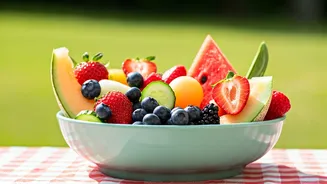
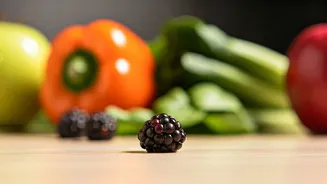
Hydration is your first line of defense, but you don't have to get it all from a glass. Many fruits and vegetables are more than 90% water, offering a delicious way to top up your fluid levels while also providing essential vitamins. Watermelon is the
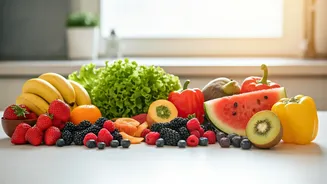
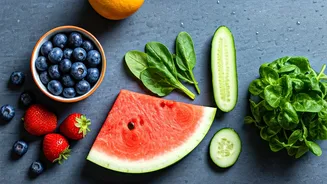
classic example, packing hydration and the antioxidant lycopene. But don't overlook cucumbers, which are about 96% water and incredibly refreshing in a salad. Other great options include celery, zucchini, strawberries, and cantaloupe. Integrating these into your meals and snacks provides a steady, natural source of hydration throughout the day, taking some of the pressure off constant water chugging.
Focus on Electrolytes
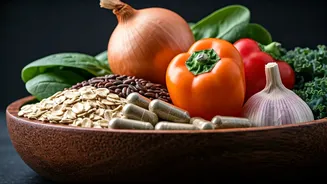
When you sweat, you lose more than just water; you lose critical minerals called electrolytes, like sodium, potassium, and magnesium. These are vital for nerve function, muscle control, and maintaining your body's fluid balance. Imbalances can lead to cramps, fatigue, and dizziness. Instead of reaching for sugary sports drinks, replenish electrolytes through whole foods. Bananas and potatoes (with the skin on) are potassium powerhouses. Leafy greens like spinach and kale, along with nuts and seeds, are excellent sources of magnesium. A pinch of salt on your cucumber slices can help replace lost sodium, especially if you've been exercising.
Lighten Up Your Proteins
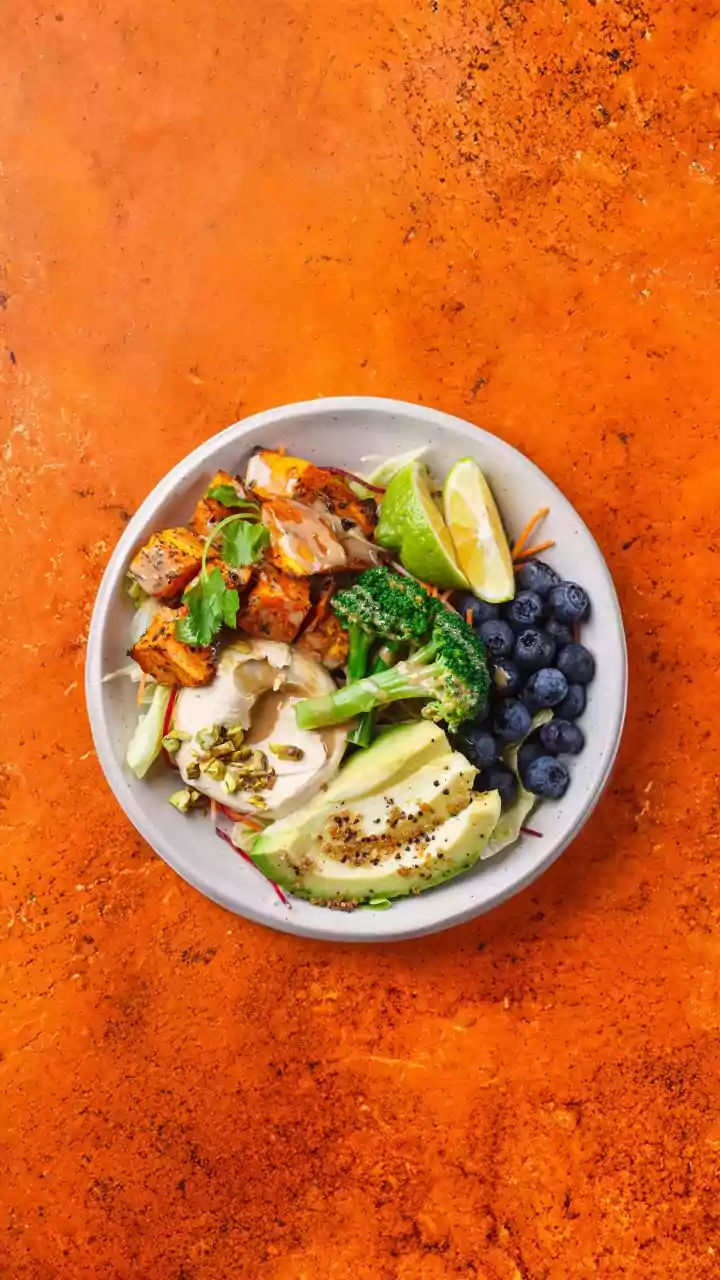
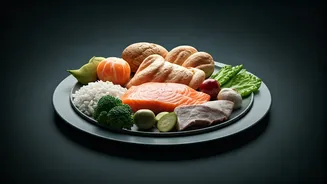
Digesting food creates heat in a process called thermogenesis. Large, heavy meals rich in fat and protein require more energy to break down, which generates more internal heat—the last thing you need on a scorching day. Ditch the heavy steak or greasy burger. Opt for lighter proteins that are easier on your digestive system. Grilled fish, chicken breast, tofu, and legumes like chickpeas and lentils are fantastic choices. They provide the necessary fuel for your muscles without making your internal furnace work overtime. A cool chickpea salad or a piece of grilled salmon is far more heat-friendly than a heavy pot roast.
Consider a Little Spice
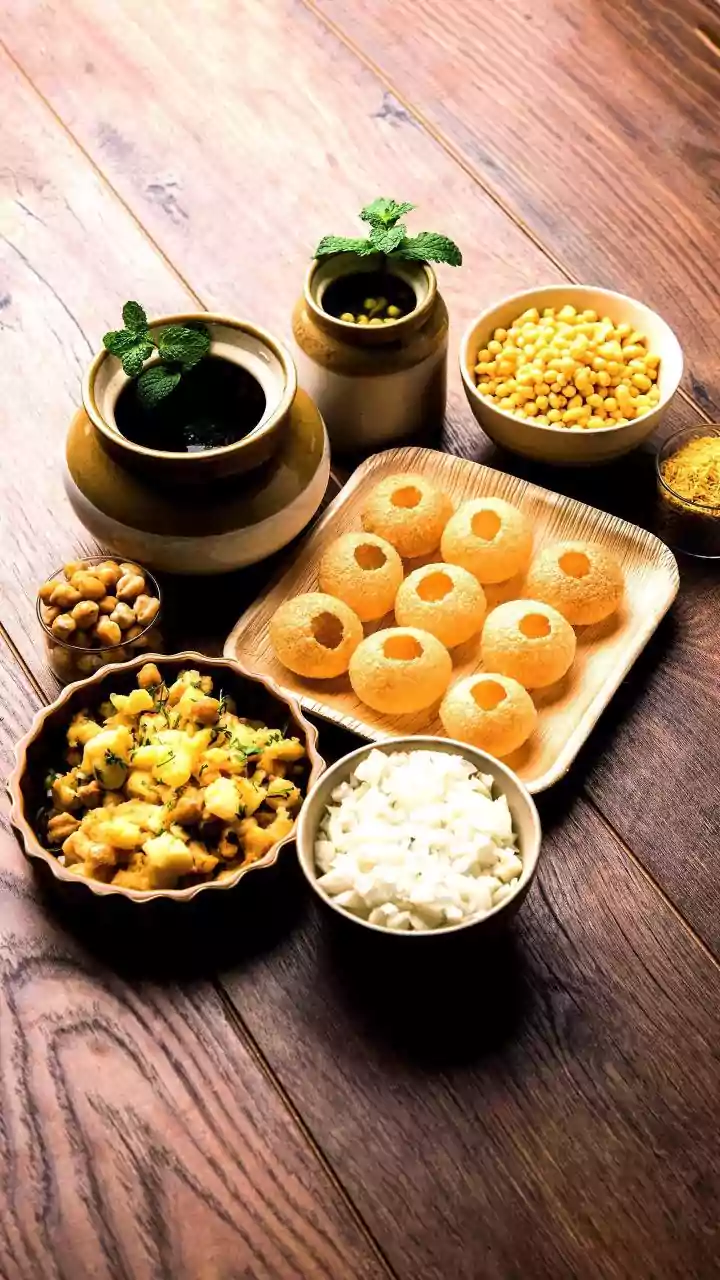
It seems counterintuitive, but there's a reason spicy food is popular in some of the world's hottest climates. The capsaicin in chili peppers triggers a response in your body that mimics overheating. Your blood circulation increases, and you start to sweat. As that sweat evaporates from your skin, it produces a cooling effect. It's essentially a trick that encourages your body's natural air conditioning system to kick into high gear. If you can handle the heat, a little spice from a fresh salsa or a moderately spiced curry could actually help you feel cooler in the long run.
Beware of Dehydrating Drinks
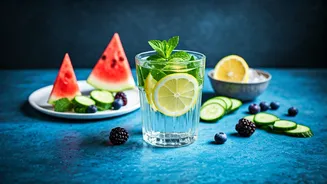
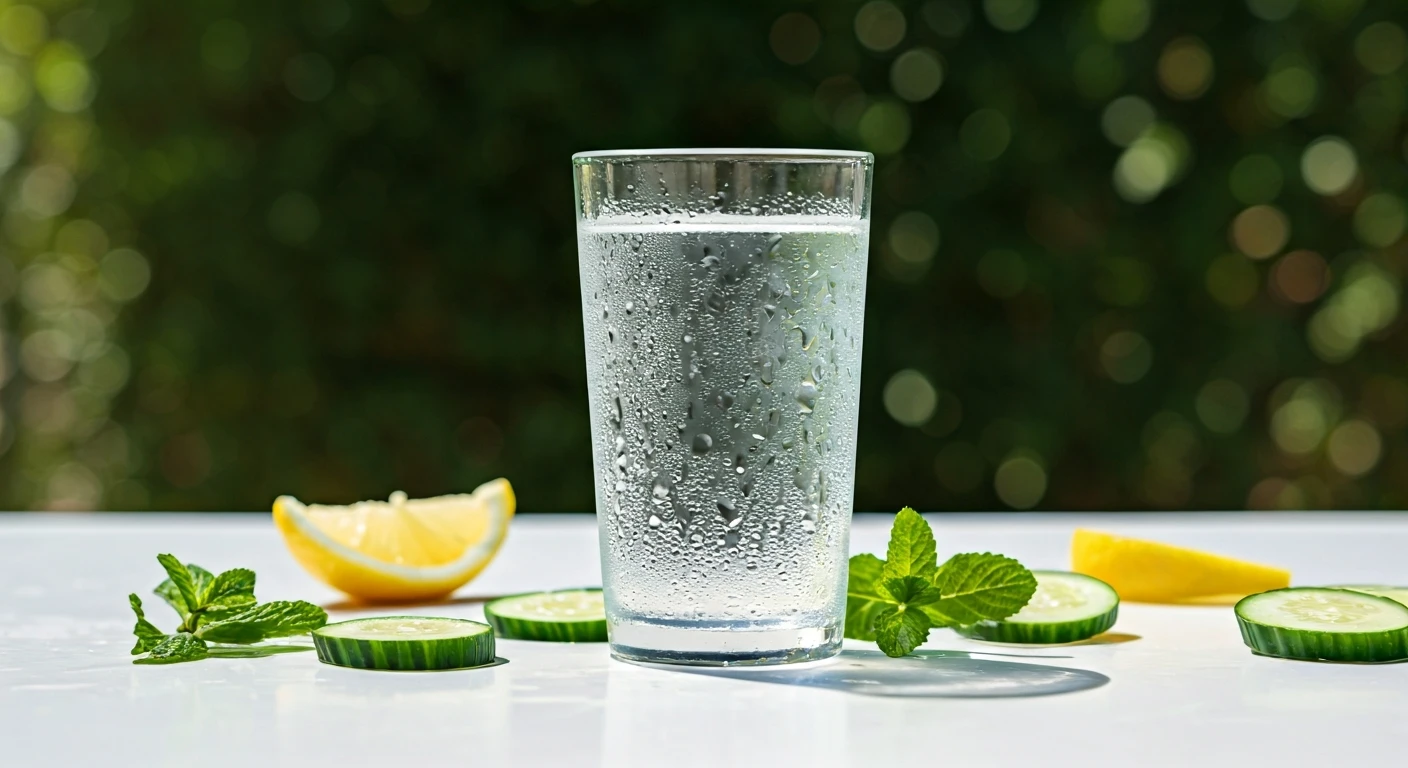
Not all liquids are created equal when it comes to hydration. Sugary sodas, fruit juices, and sweetened iced teas can be problematic. The high sugar content can slow down the rate at which your body absorbs water. Similarly, alcohol is a diuretic, meaning it causes you to lose more fluid than you consume, actively working against your hydration goals. And while a small amount of caffeine is generally fine for regular consumers, excessive amounts can also have a mild diuretic effect. Your best bet remains water. To make it more interesting, infuse it with mint, lemon, or berries. Unsweetened coconut water is another excellent choice for its natural electrolyte content.