


The Edible Counterscape
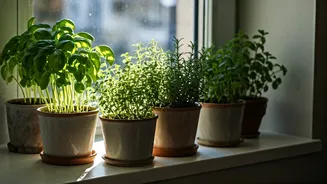
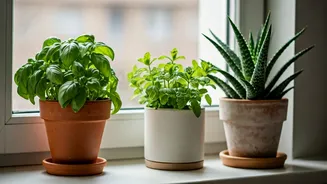
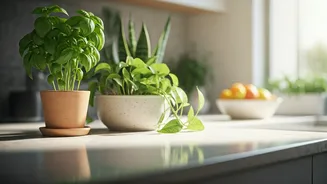
In the ongoing quest to make our homes more personal and nurturing, a simple trend has taken root. The humble kitchen counter is being transformed from a purely utilitarian surface into a small-scale indoor garden. At the forefront of this green revolution
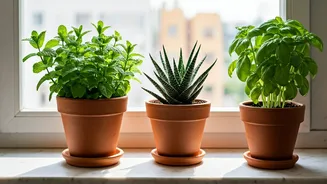
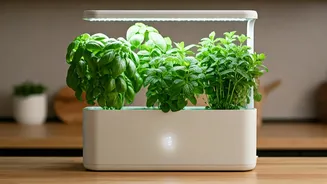
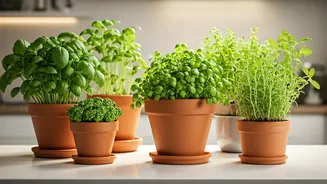
are two culinary powerhouses: mint and basil. They offer more than just a pretty pop of green; they represent a tangible connection to our food, a commitment to freshness, and a dash of self-sufficiency. In an era of complex meal kits and processed ingredients, the simple act of snipping a few leaves to liven up a dish feels both rustic and radically modern. It’s a sensory upgrade to daily life—the spicy-sweet perfume of basil, the cool rush of mint—available right at your fingertips.
Meet Basil: The Scent of Summer
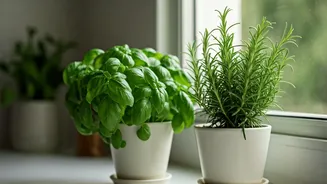
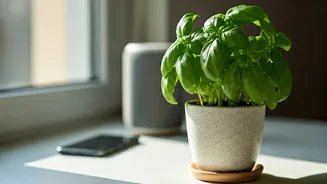
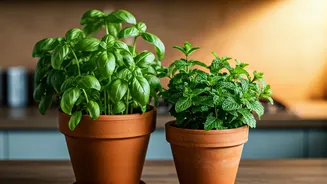
If summer had an official scent, it might just be a freshly bruised basil leaf. This herb is the heart of Italian pesto, the soul of a Caprese salad, and the perfect finish to a margherita pizza. Its sweet, slightly peppery flavor is incredibly versatile, pairing beautifully with tomatoes, garlic, cheese, and lemon. Growing it indoors brings that summery essence into your home year-round. Basil plants are gorgeous, with lush, glossy leaves that signal vitality. They aren’t just an ingredient; they’re a living pantry item. A healthy basil plant is a promise of better, brighter meals to come, from a simple pasta sauce to an infused olive oil or a basil-spiked lemonade.
Keeping Your Basil Happy
Basil can be a bit of a diva, but its demands are simple. Think of it as a sun-worshipper that hates wet feet. Your main goal is to replicate a sunny Mediterranean afternoon. Give it at least six hours of direct sunlight a day—a south-facing window is ideal. Use well-draining soil and a pot with drainage holes. Water it thoroughly when the top inch of soil feels dry, but never let it sit in a saucer of water, which can lead to root rot. The most important tip? Prune it often! Snip leaves from the top of the plant, right above a set of smaller leaves. This encourages the plant to grow bushier and more productive, preventing it from flowering (which can make the leaves taste bitter) and giving you a constant, delicious supply.
Meet Mint: The Ultimate Refresher
Where basil is the sophisticated star, mint is the prolific, easygoing workhorse. Known for its vigorous growth and invigorating scent, mint is almost impossible to kill and incredibly rewarding to grow. A single sprig can transform a glass of iced tea, be muddled into a world-class mojito, or add a surprising, cool counterpoint to a fruit salad or a lamb dish. There are dozens of varieties, from classic spearmint and peppermint to fun variations like chocolate mint and apple mint. Its greatest strength is its sheer abundance. A single, well-cared-for plant can provide more mint than you know what to do with, encouraging you to get creative in the kitchen and bar.
How to Tame Your Mint
Mint’s one downside is its ambition. It wants to take over the world, or at least your countertop. The number one rule of growing mint is to give it its own container. Never plant it in a shared pot or in your garden unless you want a mint-only landscape. It spreads through aggressive runners that will quickly choke out other plants. Like basil, it enjoys sun but is more tolerant of partial shade. It prefers consistently moist soil, so don't let it dry out completely. Regular harvesting is your friend; snipping stems frequently will keep the plant compact and encourage tender new growth. If your plant starts to look leggy and sparse, don't be afraid to give it a major haircut, cutting it back by about a third. It will bounce back stronger and fuller than before.