


The Stay Becomes the Destination
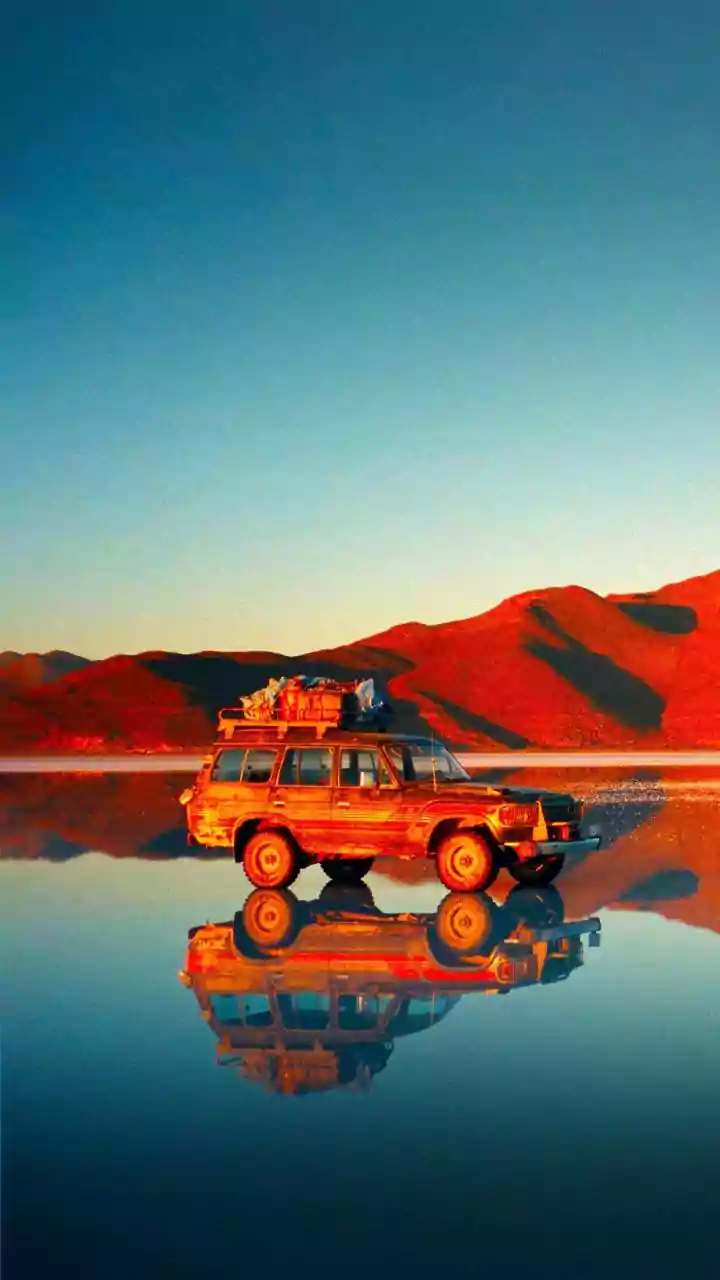
Welcome to the era of the 'destination stay.' For an increasing number of wanderlusters, the most exciting part of the trip isn't the city, the museum, or the famous landmark. It's the glass-walled cabin in the woods, the meticulously restored Airstream
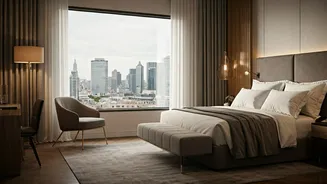
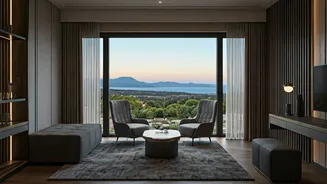
with a desert view, the houseboat on a quiet lake, or the architectural marvel they found scrolling through Airbnb. In this new model of travel, the accommodation isn't just a place to sleep; it's the centerpiece of the entire experience. The question is no longer, 'Where should we go?' but rather, 'Where can we stay that's amazing?' The actual location, whether it's a small town in upstate New York or a lesser-known corner of the Ozarks, becomes a pleasant detail rather than the main draw. It’s a fundamental shift from location-first to experience-first planning.
Why Is This Happening Now?
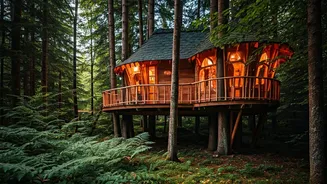
This trend didn't appear out of nowhere. It's the result of several converging forces. First, the rise of platforms like Airbnb, Vrbo, and boutique booking sites has created a massive, easily searchable marketplace for unique properties. These platforms transformed millions of private homes, cabins, and quirky structures into potential vacation spots, offering an alternative to the uniformity of traditional hotels. Second, the visual nature of social media, particularly Instagram, has turned unique accommodations into viral sensations. A stunning photo of a geodesic dome under the stars or a treehouse with a swinging bridge is a powerful travel advertisement. People see these 'Instagrammable' stays and feel a pull to experience them firsthand. Finally, the COVID-19 pandemic accelerated the trend. It created a surge in demand for private, self-contained getaways away from crowded cities, making remote cabins and secluded homes more appealing than ever. The desire for a controlled, intimate environment became a top priority.
The New 'Things to Do' List
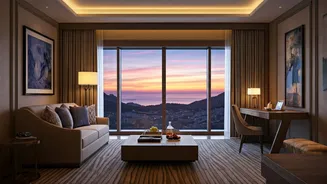
When the stay itself is the main event, the entire rhythm of a vacation changes. The 'things to do' list becomes less about seeing external sights and more about enjoying the amenities and atmosphere of the property. For guests at a high-design desert home, the main activity might be watching the sunset from the hot tub, stargazing, and enjoying the outdoor fire pit. For those in a lakeside cabin, it’s about morning coffee on the dock, kayaking in the afternoon, and playing board games by the fireplace at night. This approach redefines 'getting away from it all.' It’s less about a packed itinerary and more about decompression, immersion, and simply being present in a beautiful, thoughtfully designed space. The property’s unique features—be it a private chef, an outdoor pizza oven, a record collection, or a personal library—become the core activities of the trip.
What It Means for the Future of Travel
This shift has significant implications. For travelers, it opens up a world of possibilities beyond traditional tourist hubs. It encourages exploration of smaller towns and rural areas that might have been previously overlooked, distributing tourist dollars more widely. For property owners and hosts, it creates an incentive to invest in design, amenities, and unique experiences. It’s no longer enough to offer a clean bed; the most successful properties now offer a distinct narrative and a memorable atmosphere. Hotels are also taking note, with many larger chains launching 'soft brands' of unique, boutique properties or designing new locations to be destinations in themselves, complete with destination restaurants, rooftop bars, and curated local experiences. The line between a place to stay and a thing to do is blurring for good.