


Why Consistency Is Your Superpower
The phrase 'immune-boosting' is marketing gold, conjuring images of a superpower you can activate on command. The reality is more like maintaining a well-oiled machine. Your immune system isn't something you turn on and off; it's a complex, energy-intensive
network of cells, tissues, and organs that is constantly working to protect you. It doesn't need a frantic, last-minute 'boost' from a pricey supplement—it needs consistent, reliable fuel. Think of it like a car. You wouldn't ignore oil changes for a year and then expect a single bottle of premium fuel to fix everything. Similarly, your immune response relies on the nutritional foundation you build every day, not just the vitamin C packet you down when you start to feel a scratchy throat.
The Building Blocks of Defense
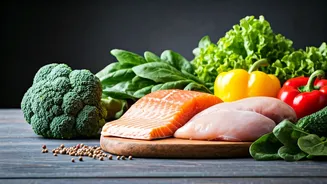
When we think of immunity, we often jump to vitamins. But protein is the unsung hero. The antibodies and immune cells that fight off pathogens are literally made of protein. Without enough of it, your body simply can't produce the 'soldiers' it needs for its army. This is why a 'steady meal' approach is so crucial. Aiming for a source of protein at each meal—whether it's chicken, fish, beans, lentils, tofu, or Greek yogurt—provides your body with a constant supply of the amino acids it needs to build and repair, including manufacturing a robust immune response. It’s less about a single massive steak and more about the consistent pattern of providing these essential building blocks throughout your day.
Food-First Vitamins and Minerals
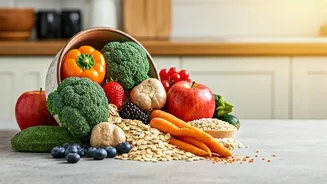
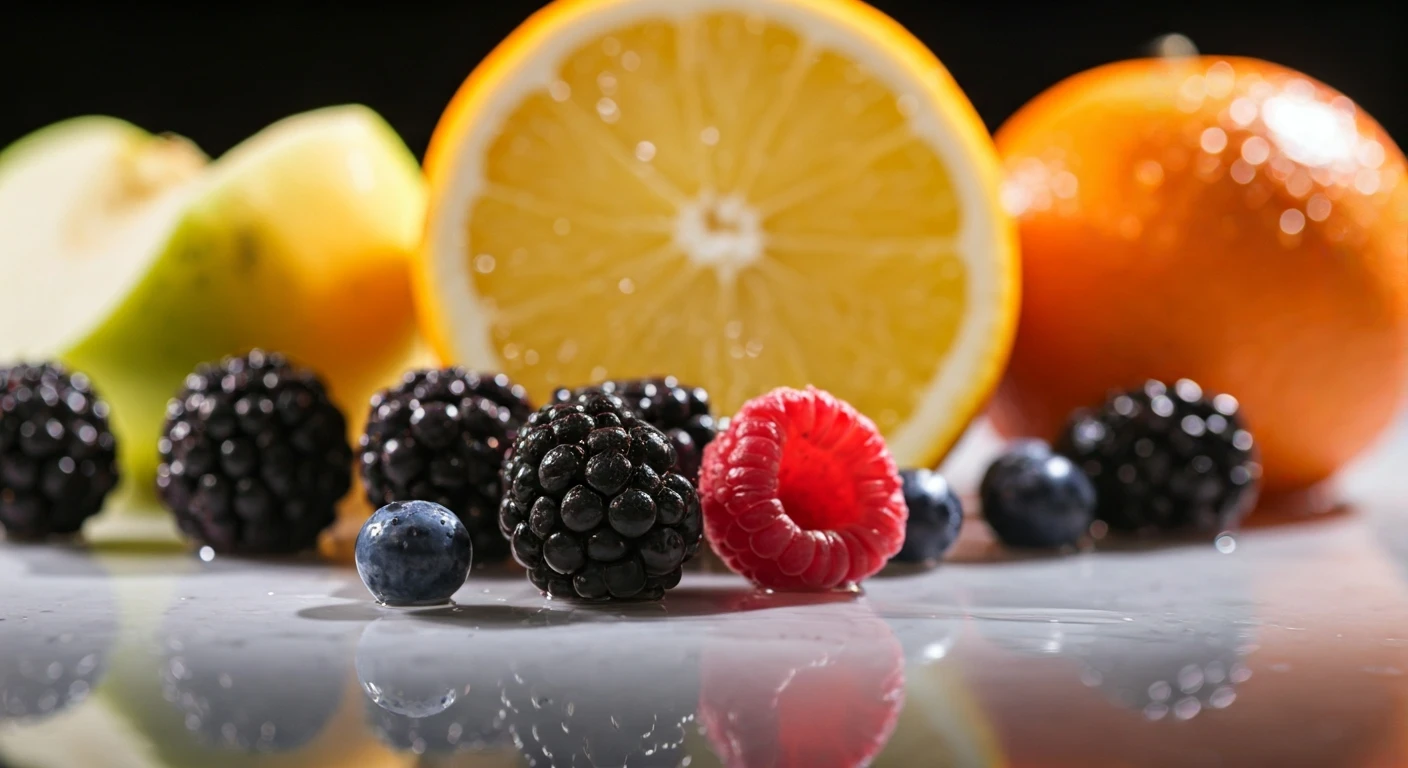
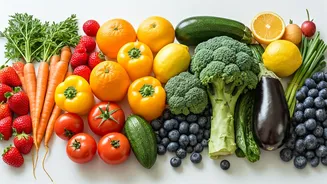
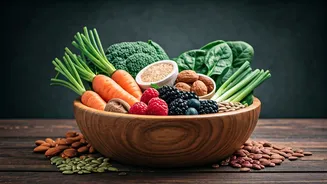
This isn't to say vitamins and minerals don't matter—they absolutely do. They act as the essential 'helpers' in countless immune processes. But getting them from food is often more effective than relying on isolated supplements. Foods contain a complex matrix of fiber, phytonutrients, and other compounds that work together synergistically. For example: - **Vitamin C:** Found in abundance in bell peppers, broccoli, strawberries, and citrus, it's a powerful antioxidant that supports various immune cell functions. A serving of red bell pepper has more vitamin C than a large orange. - **Zinc:** Crucial for immune cell development. Find it in lean meats, chickpeas, nuts, and seeds. A zinc deficiency can significantly impair immune function. - **Vitamin D:** Often called the 'sunshine vitamin,' it helps modulate the immune response. While sunlight is a primary source, you can also get it from fatty fish like salmon, fortified milk, and mushrooms.
Don't Forget Your Gut
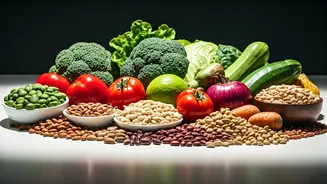
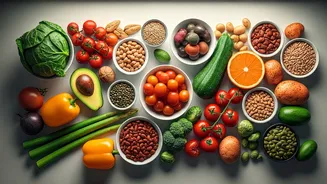
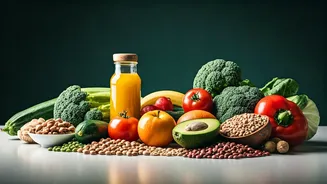
One of the most exciting frontiers in nutritional science is the gut-immunity axis. A huge portion of your immune system is located in your gut. A healthy gut microbiome—the community of trillions of bacteria living in your digestive tract—helps regulate your immune response and can prevent pathogens from entering your bloodstream. The best way to feed these beneficial bacteria? Fiber and fermented foods. A diet rich in a wide variety of plant foods (fruits, vegetables, whole grains, legumes) provides the prebiotic fiber that good gut bugs thrive on. Adding in probiotic-rich foods like yogurt, kefir, kimchi, or sauerkraut can also help support this vital internal ecosystem.
What a 'Steady Meal' Looks Like
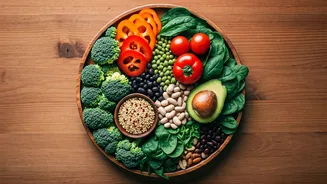
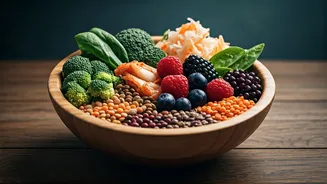
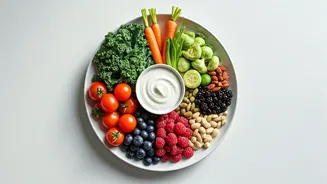
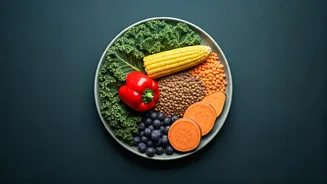
So, how do you put this all together? It’s simpler than it sounds. Don’t overthink it; just aim for color and balance. A 'steady meal' plate might have a lean protein source (chicken, salmon, tofu), a complex carbohydrate for energy (quinoa, brown rice, sweet potato), and at least two different colored vegetables (leafy greens, roasted broccoli, tomatoes). This simple formula ensures you’re getting the protein, energy, fiber, vitamins, and minerals your immune system needs to operate at its best. It’s not about perfection or restriction; it’s about creating a sustainable pattern of eating that nourishes you from the inside out, season after season.